

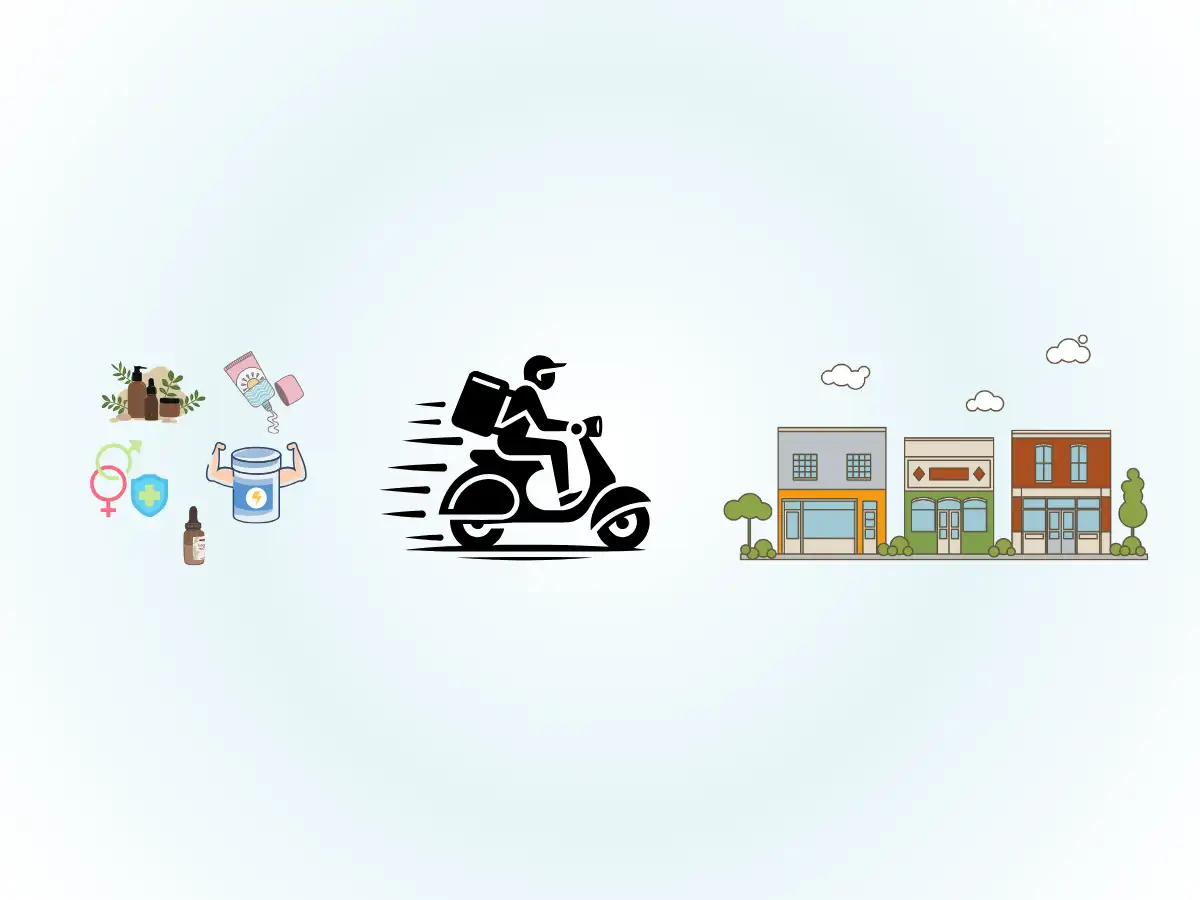
D2C brands growth in India’s smaller cities is accelerating in 2026, driven by rising internet access, digital payments, and changing consumer preferences. Non-metro markets are no longer secondary targets, they are becoming primary growth engines for new-age consumer brands.
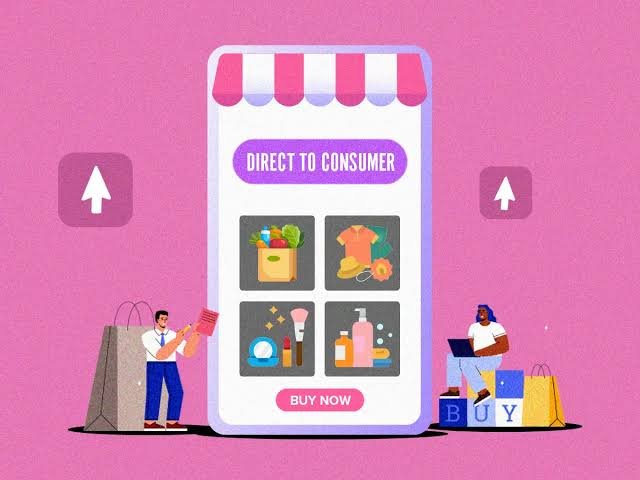
D2C brands growth in India’s smaller cities reflects a structural shift in how products are discovered and purchased. Direct-to-consumer brands, which sell through their own websites or marketplaces without intermediaries, are increasingly focusing on Tier-2 and Tier-3 markets. This trend is not a short-term spike but part of a broader evolution in India’s consumption story.
Digital Adoption Driving Tier-2 Consumer Markets
The expansion of digital infrastructure is the backbone of D2C brands growth. Affordable smartphones, widespread 4G connectivity, and the scale of UPI payments have brought millions of new users online from smaller cities.
Consumers in cities like Nagpur, Lucknow, and Surat are now comfortable browsing, comparing, and purchasing products online. According to multiple industry reports, a significant share of new internet users in India now comes from non-metro regions. This has pushed D2C brands to rethink their market strategy.
Unlike earlier phases where metro cities dominated online consumption, Tier-2 consumer markets are now contributing a growing portion of orders, especially in categories like beauty, personal care, fashion, and health supplements.
Changing Buying Behaviour in Non-Metro India
Consumer behaviour in smaller cities has evolved beyond price sensitivity. While affordability remains important, factors like product quality, brand story, and convenience are gaining weight.
D2C brands are capitalizing on this shift by offering niche and specialized products. For example, regional skincare brands focusing on herbal ingredients or climate-specific solutions are finding strong demand outside metros. Similarly, fashion brands offering affordable yet trend-driven collections are gaining traction among young consumers.
Social media has played a critical role here. Platforms like Instagram and YouTube have enabled consumers in smaller cities to discover brands organically. Influencer-driven marketing, especially in regional languages, has further accelerated adoption.
The result is a more informed and aspirational consumer base that is willing to experiment with new brands.
Logistics and Fulfillment Improvements Enabling Scale
One of the biggest barriers for D2C brands in the past was logistics. Delivering efficiently to smaller cities was costly and unreliable. This has changed significantly in recent years.
Third-party logistics providers have expanded their reach, improving last-mile delivery in Tier-2 and Tier-3 locations. Faster shipping timelines and better tracking have increased consumer trust.
Many D2C brands are also adopting hybrid models. While they remain digital-first, they are partnering with local retailers or setting up experience centers in smaller cities. This approach helps bridge the gap between online discovery and offline trust.
Cash on delivery options, which remain popular in non-metro India, have also contributed to higher conversion rates.
Rise of Regional D2C Brands and Localisation Strategies
Another key driver of D2C brands growth is the emergence of regional brands that understand local preferences better than national players.
These brands are building products tailored to specific demographics, climates, and cultural preferences. For instance, food and beverage startups are creating region-specific flavors, while apparel brands are adapting designs for local tastes.
Language localisation is equally important. Brands that communicate in Hindi, Marathi, Tamil, or other regional languages see higher engagement and trust.
Marketing strategies are also evolving. Instead of relying only on national campaigns, D2C brands are investing in micro-influencers from smaller cities who have stronger local credibility.
This localized approach is proving more effective in driving both awareness and conversions.
Challenges Facing D2C Expansion in Smaller Cities
Despite strong growth, D2C brands face several challenges in non-metro markets. Customer acquisition costs are rising as competition increases. Standing out in a crowded digital space requires continuous investment in marketing.
Returns and reverse logistics remain a concern, especially in categories like fashion. Managing these efficiently is critical for maintaining profitability.
Another challenge is building long-term brand loyalty. While initial adoption is high, repeat purchases depend on consistent product quality and customer experience.
Payment preferences also vary. While UPI is growing rapidly, a significant portion of users still rely on cash on delivery, which adds operational complexity.
Addressing these challenges will be key to sustaining growth in the coming years.
What 2026 Signals for the Future of D2C in India
The current trajectory indicates that smaller cities will play a central role in the future of D2C in India. Brands that adapt early to the needs of these markets will have a competitive advantage.
The focus is shifting from metro-centric strategies to a more distributed growth model. This includes deeper penetration into Tier-3 towns, stronger logistics networks, and more localized branding.
As digital adoption continues to rise, the gap between metro and non-metro consumption patterns is expected to narrow further. D2C brands that combine affordability, quality, and relevance will be best positioned to capture this opportunity.
Takeaways
– Smaller cities are becoming primary growth markets for D2C brands in 2026
– Digital adoption and UPI usage are driving online shopping in Tier-2 regions
– Localisation and regional influencer marketing are key growth strategies
– Logistics improvements are enabling faster and more reliable deliveries
FAQs
What are D2C brands?
D2C brands sell products directly to consumers through their own websites or digital platforms without relying on traditional retail intermediaries.
Why are smaller cities important for D2C growth?
They offer a large and growing consumer base with increasing internet access and purchasing power.
Which categories are growing fastest in Tier-2 markets?
Beauty, personal care, fashion, and health products are seeing strong demand.
What challenges do D2C brands face in non-metro India?
Logistics, customer acquisition costs, returns management, and varying payment preferences are key challenges.






Leave a comment