

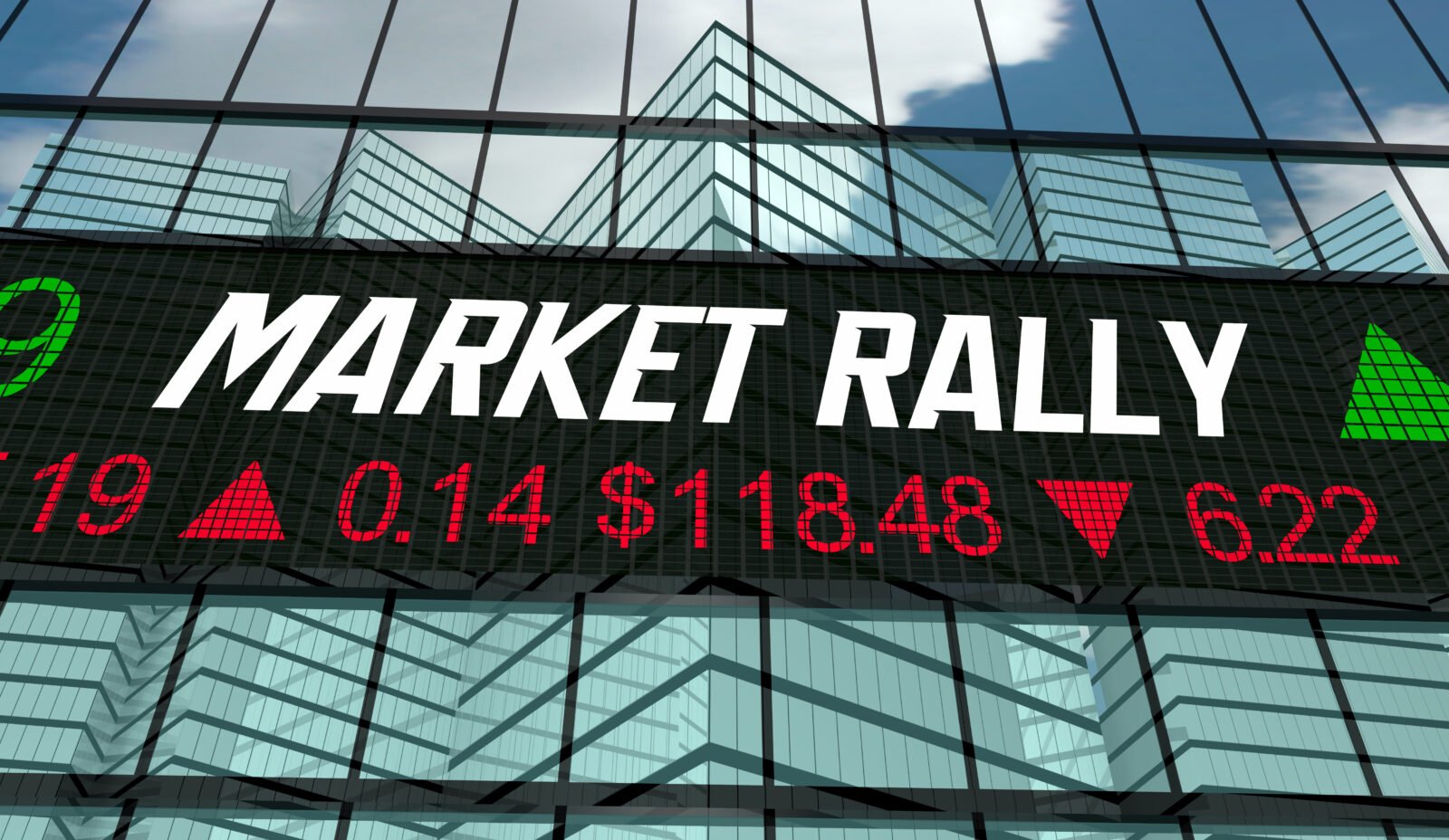
Stock markets near record levels have triggered both optimism and caution across India. For regional investors in Tier 2 and Tier 3 cities, the rally raises a practical question. Can they afford to enter at elevated valuations without exposing themselves to excessive risk?
Stock markets near record levels reflect strong institutional participation, steady domestic inflows and resilient corporate earnings in key sectors. Benchmark indices hovering close to historic highs signal confidence in economic momentum. However, high index levels also increase anxiety among first time and small city investors who fear buying at the peak. The challenge is balancing opportunity with prudence.
What Is Driving Markets to Record Highs
Equity markets typically approach record levels when earnings growth, liquidity and macro stability align. In recent cycles, domestic mutual fund inflows through systematic investment plans have provided steady support. Retail participation from non metro cities has also expanded due to digital trading platforms and simplified KYC processes.
Sectoral leadership often comes from banking, capital goods, infrastructure and technology stocks during expansion phases. When credit growth is stable and government spending remains strong, market sentiment improves. Foreign portfolio flows can further amplify the rally if global conditions are supportive.
However, record highs do not automatically mean overvaluation. Valuations must be assessed relative to earnings growth, interest rates and future expectations.
Regional Investors and Rising Participation
Regional investors from cities like Nagpur, Indore, Surat and Lucknow are no longer passive observers. Demat account growth has accelerated outside metros, driven by smartphone penetration and vernacular financial content.
For many households in Tier 2 cities, equity exposure has shifted from occasional direct stock purchases to systematic mutual fund investments. Financial awareness campaigns and improved access to advisors have broadened participation.
Yet the psychology differs from institutional investors. Regional investors often deploy savings accumulated over years rather than surplus monthly income. Entering markets at record levels can therefore feel riskier.
Can Investors Afford the Upswing
Affordability in equity investing is not about share price levels alone. It depends on financial preparedness, time horizon and risk tolerance. Investors who allocate funds needed for short term expenses to equities are vulnerable during corrections.
Markets near record highs can still offer opportunities if earnings growth sustains. However, volatility tends to increase at elevated levels. Corrections of 5 to 15 percent are common even in strong bull phases.
Regional investors should assess emergency funds, debt obligations and liquidity needs before increasing exposure. If household finances are stable and the investment horizon exceeds five years, gradual entry through systematic plans can reduce timing risk.
Valuation Concerns and Sector Rotation
When markets approach record levels, valuation metrics such as price to earnings ratios often stretch in certain sectors. Banking and infrastructure stocks may trade at premiums if growth expectations are high. Midcap and smallcap segments sometimes rally faster than large caps, increasing risk.
Sector rotation becomes critical. Not all stocks rise uniformly. Defensive sectors like FMCG or pharmaceuticals may lag during aggressive bull runs but offer stability during corrections.
Regional investors must avoid chasing momentum purely based on recent returns. Diversified mutual funds or index funds can help manage concentration risk.
Risk Management for Non Metro Investors
Risk management strategies are essential when investing at elevated levels. Asset allocation across equities, fixed income and gold can smooth volatility. Investors in Tier 2 cities often hold physical assets such as property and gold, which provide diversification outside financial markets.
Using systematic investment plans instead of lump sum entry can average purchase costs over time. Rebalancing portfolios annually ensures that equity exposure does not exceed comfort levels.
Education is equally important. Understanding that markets move in cycles helps investors avoid panic selling during corrections.
Long Term Wealth Creation Perspective
Historically, Indian equity markets have delivered positive long term returns despite interim volatility. Investors who stayed invested through market cycles benefited from compounding.
Record levels today may appear expensive, but if corporate profits expand and the economy grows, indices can establish new highs over time. The key is patience and disciplined allocation.
Regional investors with structured financial planning can participate in growth without overextending themselves. Affordability is ultimately about alignment between goals and risk capacity, not about index numbers alone.
Takeaways
Record high stock markets reflect earnings growth and liquidity but do not eliminate volatility risk.
Regional investors must assess financial readiness before increasing equity exposure.
Systematic investment and diversification can reduce timing and concentration risks.
Long term perspective and disciplined asset allocation are essential for sustainable wealth creation.
FAQs
Is it risky to invest when markets are near record highs.
Risk depends on time horizon and allocation. Short term investors face higher volatility, while long term investors can manage risk through gradual investment.
Should regional investors avoid equities at high levels.
Not necessarily. They should focus on diversification, systematic investing and financial preparedness rather than attempting to time the market.
Are smallcap stocks more attractive during bull markets.
Smallcaps can deliver higher returns but carry greater volatility and risk compared to largecap stocks.
How can investors reduce downside risk.
Maintaining emergency funds, diversifying assets and investing through systematic plans can help manage potential corrections.











Leave a comment