

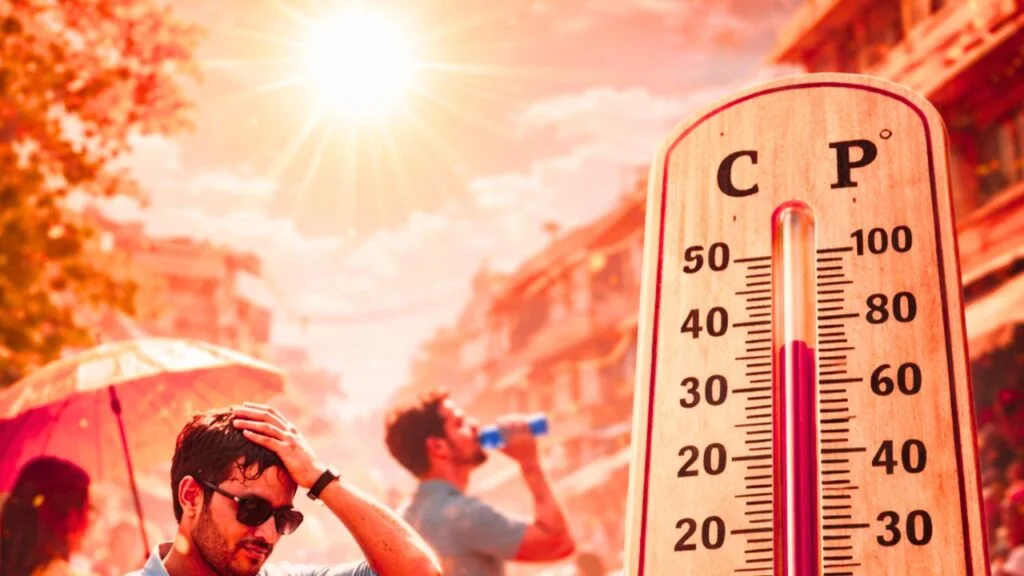
Several Tier 2 cities in India are preparing for summer heatwaves earlier than usual as temperatures rise rapidly across multiple regions. Local administrations and health authorities are strengthening preparedness measures to manage the impact of extreme heat on daily life and public health.
Tier 2 Cities Facing Early Summer Heatwave Conditions
The Tier 2 cities heatwave preparedness conversation has gained urgency as temperature trends indicate an early arrival of summer like conditions in many parts of India. Cities such as Nagpur, Indore, Jaipur, Lucknow, Surat, and Bhopal have already recorded daytime temperatures higher than typical early March averages.
Meteorological data from recent years shows that heatwaves are beginning earlier in several inland cities. Normally, peak heat conditions occur between late April and June. However, warmer days appearing in March suggest that the transition from winter to summer is becoming shorter.
Tier 2 cities often experience sharper temperature increases because of their geographical location and rapid urban expansion. Many of these cities lie in interior regions where dry winds and clear skies allow land surfaces to heat quickly.
As temperatures climb, local administrations begin activating heat action plans designed to reduce health risks and improve emergency response.
Rising Temperatures and Urban Heat Island Effect
The urban heat island effect in Tier 2 cities is another factor contributing to rising temperatures. Urban expansion, concrete infrastructure, and reduced green cover can trap heat within city environments.
Unlike rural areas where vegetation helps regulate temperature, densely built urban zones absorb and retain heat throughout the day. This leads to warmer nights and prolonged heat exposure for residents.
Cities experiencing rapid development often face this challenge as construction projects increase and open land is converted into residential and commercial zones.
Urban planners and environmental experts have emphasized the importance of increasing tree cover, improving urban design, and protecting water bodies to reduce heat intensity.
These long term measures may help moderate extreme temperatures, but immediate planning remains essential during early heatwave conditions.
Heatwave Preparedness Measures in Indian Cities
The heatwave preparedness plans in India have expanded significantly in recent years following several severe summer seasons. Municipal authorities in many cities now implement structured response strategies when temperatures begin rising rapidly.
Common measures include issuing public health advisories, setting up drinking water stations, and coordinating with hospitals to prepare for heat related illness cases.
Some cities also adjust work schedules for outdoor labourers to reduce exposure during peak afternoon heat. Public awareness campaigns encourage residents to stay hydrated, avoid direct sunlight during midday hours, and check on vulnerable individuals.
Schools and public institutions often monitor weather alerts closely. In extreme conditions, authorities may alter school timings or temporarily suspend outdoor activities.
These preventive steps aim to reduce the risk of heatstroke and other heat related health complications.
Impact of Heatwaves on Daily Life and Infrastructure
The impact of heatwaves in Tier 2 cities extends beyond health concerns and can influence several aspects of urban life. Increased electricity demand is one of the most immediate effects as households rely heavily on cooling appliances such as fans, air conditioners, and coolers.
Power distribution networks in rapidly growing cities sometimes face pressure during extreme heat periods when energy consumption rises sharply.
Water demand also increases significantly. Residents require more water for drinking, cooking, and cooling, which places additional stress on municipal water supply systems.
Public transportation and outdoor work environments may also be affected. Construction workers, street vendors, delivery personnel, and traffic police often face extended exposure to high temperatures during their daily activities.
Because many Tier 2 cities have expanding populations, the challenge of managing heat related disruptions continues to grow.
Climate Trends and Increasing Heatwave Frequency
The increasing frequency of heatwaves in India has become a major topic of discussion among climate scientists and environmental planners. Rising global temperatures and changing weather patterns are contributing to more frequent extreme heat events.
According to climate research observations, India has experienced several severe heatwaves over the past decade. Inland regions in central and western parts of the country have been particularly affected.
Early season heat events are especially concerning because they extend the duration of extreme temperature conditions across the summer months.
Experts emphasize that long term strategies such as improved urban planning, expanded green infrastructure, and climate resilient policies will be necessary to address the growing heatwave challenge.
For now, early preparedness by city administrations and public awareness remain critical in reducing the impact of extreme heat on communities.
Takeaways
Several Tier 2 cities in India are preparing for summer heatwaves earlier than usual this year.
Rapid urbanisation and the urban heat island effect are contributing to higher temperatures in growing cities.
Municipal authorities are activating heat action plans to reduce health risks during extreme heat.
Rising temperatures increase pressure on electricity demand, water supply, and outdoor workers.
FAQ
Why are Tier 2 cities experiencing heatwaves earlier than usual?
Rising temperatures, dry weather conditions, and climate change trends are causing summer like heat to appear earlier in many inland cities.
What is the urban heat island effect?
It refers to the phenomenon where urban areas become significantly warmer than surrounding rural areas due to concrete infrastructure and reduced vegetation.
How do cities prepare for heatwave conditions?
Authorities implement heat action plans, issue health advisories, provide drinking water stations, and coordinate with hospitals to manage heat related emergencies.
Which people are most vulnerable during heatwaves?
Elderly individuals, young children, outdoor workers, and people with existing health conditions are particularly vulnerable to extreme heat.








Leave a comment