

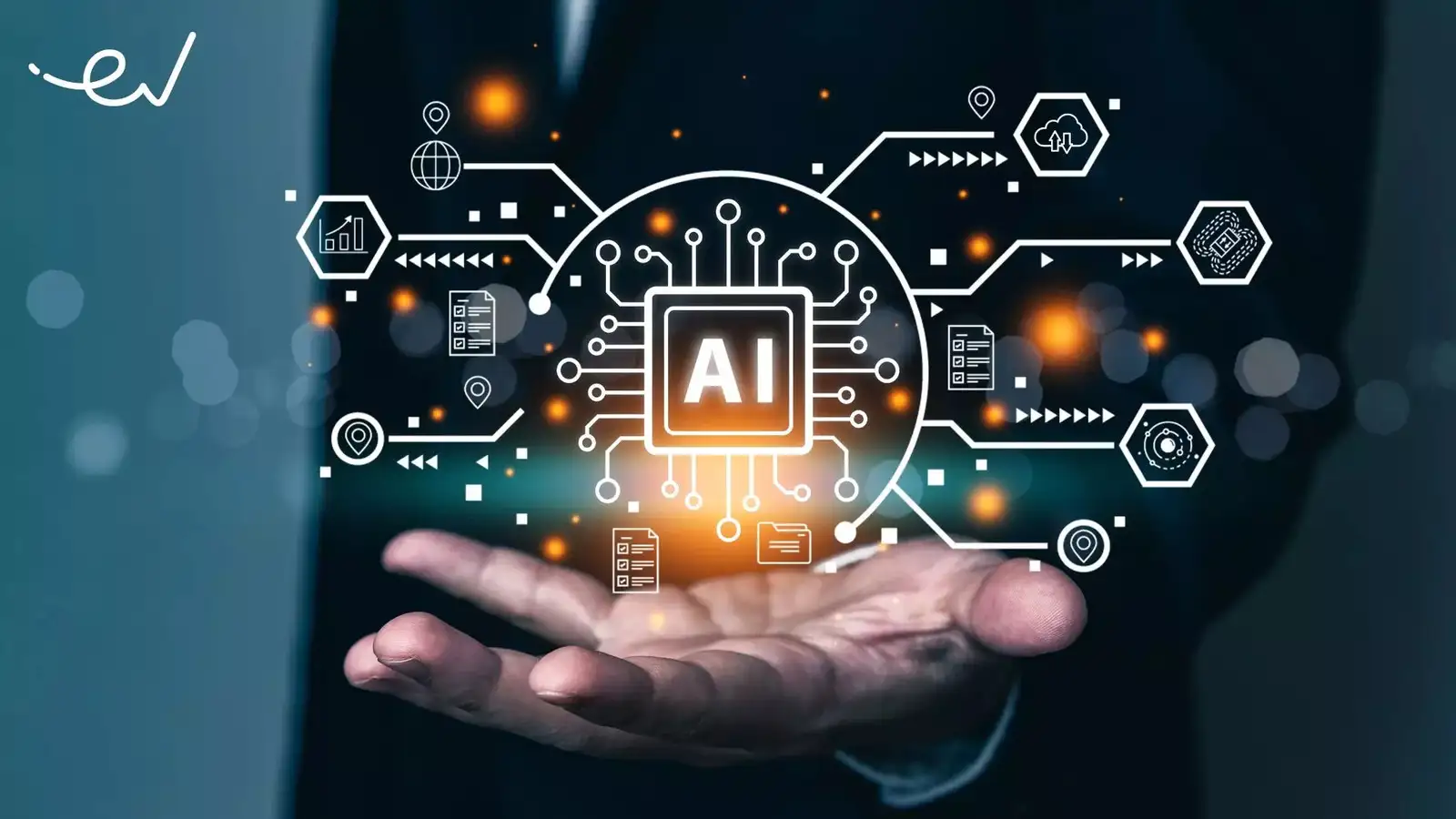
India’s technology ecosystem is entering a new phase as artificial intelligence becomes central to innovation. Investors, entrepreneurs, and policymakers believe the country could witness a major AI startup boom in 2026 and the coming years.
Artificial intelligence startups in India are attracting growing attention from investors, technology companies, and global enterprises. As AI tools become more accessible and computing infrastructure improves, Indian startups are building products that use machine learning, generative AI, and data analytics. This shift has sparked discussions about whether India is ready for the next major wave of AI driven startup growth.
The country already has one of the world’s largest startup ecosystems, with thousands of technology companies operating across sectors such as fintech, health technology, education technology, and enterprise software. Artificial intelligence is now emerging as a foundational technology that many startups are integrating into their core products.
AI Startup Growth in India’s Technology Ecosystem
The AI startup boom in India is closely linked to the broader growth of the country’s digital economy. India has hundreds of millions of internet users and one of the largest developer communities globally. This combination creates a strong environment for building AI powered products.
Many startups are now focusing on artificial intelligence solutions that address business automation, data analysis, and intelligent decision making. Enterprise software companies are developing AI tools that help businesses manage customer service, financial analysis, and marketing operations.
Indian entrepreneurs are also creating AI driven platforms designed for global markets. Software as a service companies are exporting AI tools to international clients who need automation and analytics solutions.
As the global demand for AI technology grows, India’s startup ecosystem is positioning itself as an important innovation hub.
Generative AI Is Creating New Startup Opportunities
Generative AI technology has become one of the biggest drivers of new startup formation. Generative AI systems can create text, images, software code, and design outputs with minimal human input.
Indian startups are using generative AI to build platforms that support content creation, marketing automation, customer support, and software development. For example, AI chatbots can answer customer queries instantly, reducing the need for large customer support teams.
Startups are also experimenting with AI tools that assist developers in writing and testing code. These solutions help companies accelerate product development and reduce engineering workloads.
The rapid adoption of generative AI tools across industries is encouraging entrepreneurs to build new businesses around AI powered services.
Venture Capital Investment in AI Startups
Investment activity suggests that venture capital firms see strong potential in AI startups in India. Funding for artificial intelligence companies has increased as investors look for technology platforms that can scale globally.
AI startups working on enterprise software, robotics, healthcare analytics, and financial technology are attracting particular interest from investors. Many venture capital firms believe that AI will become a core technology layer for future digital businesses.
Global technology companies are also partnering with startups that develop AI solutions. These collaborations help young companies access advanced infrastructure, cloud computing services, and international markets.
Strong investor interest can accelerate the growth of AI startups by providing capital for research, product development, and talent acquisition.
Talent and Infrastructure Supporting AI Innovation
India’s technology workforce plays a major role in the development of AI startups. The country produces a large number of engineering graduates each year, many of whom specialize in computer science and data science.
Educational institutions are expanding programs focused on artificial intelligence, machine learning, and data analytics. These programs help train professionals who can design algorithms, build AI models, and manage large datasets.
Cloud computing platforms have also made it easier for startups to build AI applications without owning expensive hardware infrastructure. Access to scalable computing resources allows smaller companies to experiment with advanced machine learning models.
Technology hubs such as Bengaluru, Hyderabad, and Pune have become major centers for AI research and startup activity.
Challenges That Could Affect the AI Startup Boom
Despite strong momentum, several challenges could influence the pace of AI startup growth in India. One of the biggest issues is access to high quality datasets needed to train machine learning models.
Another challenge is the cost of computing infrastructure required for large scale AI development. Training advanced AI models often requires powerful graphics processing units and cloud computing resources.
There is also a shortage of highly specialized AI researchers and engineers. While India has a large technology workforce, advanced AI research expertise remains limited compared to global technology hubs.
Regulation and ethical considerations are also becoming increasingly important as AI applications expand into sectors such as finance, healthcare, and public services.
What the Future Holds for India’s AI Startup Ecosystem
The next few years will likely determine whether India experiences a large scale AI startup boom. Several factors are aligning to support this growth including strong digital infrastructure, a large developer community, and increasing venture capital investment.
Entrepreneurs are already experimenting with AI powered solutions across industries such as financial services, healthcare, logistics, and education technology. As these technologies mature, more startups are expected to build specialized products for both domestic and international markets.
Industry experts believe that artificial intelligence could become a central driver of innovation in India’s technology sector. If talent development, infrastructure investment, and regulatory frameworks continue to evolve, India could become one of the leading global hubs for AI startup development.
Takeaways
Artificial intelligence is emerging as a major driver of startup innovation in India.
Generative AI technologies are creating new opportunities for digital products and services.
Venture capital investment is increasing in AI focused startups across multiple industries.
Talent development and infrastructure will determine the scale of the future AI startup boom.
FAQs
Why are AI startups growing in India?
AI startups are growing because businesses need automation, data analytics, and intelligent software solutions. India’s large technology workforce and expanding digital economy support this growth.
What industries are using AI startups the most?
Fintech, healthcare technology, enterprise software, logistics, and marketing technology are among the sectors using AI solutions most actively.
Are investors funding AI startups in India?
Yes. Venture capital firms are increasingly investing in AI driven startups that build scalable products for both domestic and global markets.
What challenges do AI startups face in India?
Challenges include limited access to high quality datasets, high computing costs, and the shortage of specialized AI research talent.










Leave a comment