

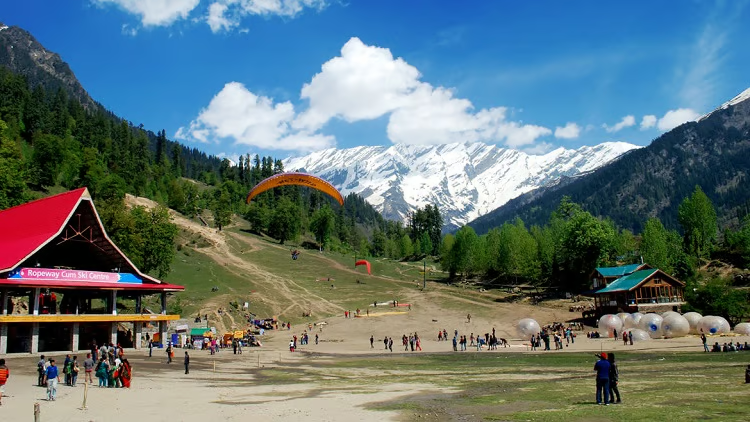
Tourism in small Indian towns is rising sharply as the summer travel season approaches. Hill stations and pilgrimage destinations across the country are strengthening infrastructure, improving crowd management and expanding services to handle a surge of visitors during the coming months.
The small-town tourism boom in India is becoming increasingly visible as hill stations and pilgrimage cities prepare for the busy summer travel season. With rising urban temperatures and improved connectivity, travelers are turning to smaller destinations for vacations and religious visits, prompting local authorities to upgrade tourism infrastructure.
Growing Popularity of Small-Town Tourism in India
Small-town tourism in India has grown significantly over the past decade, particularly as domestic travel expanded after the pandemic years. Travelers are now exploring destinations beyond major metropolitan centers, choosing scenic hill stations, heritage towns and spiritual centers for short breaks.
Cities such as Shimla, Manali, Mussoorie, Nainital and Ooty traditionally attract large numbers of visitors during the summer. At the same time, pilgrimage centers like Varanasi, Haridwar, Ujjain and Tirupati continue to draw religious tourists throughout the year.
Improved highways, expanded rail connectivity and increasing availability of budget hotels have made these destinations easier to access. Online travel platforms and social media recommendations have also helped popularize lesser known locations.
Tourism departments in several states expect visitor numbers to rise further during the upcoming summer months.
Preparations at Hill Stations for the Summer Tourist Rush
Hill stations across northern and southern India are already preparing for the seasonal surge of tourists. Local administrations are focusing on traffic management, parking facilities and waste management systems to handle the increased visitor flow.
Destinations such as Shimla and Nainital often face congestion during peak travel weeks. Authorities are reviewing traffic diversion plans and creating temporary parking zones outside city centers to reduce pressure on narrow hill roads.
Environmental protection is another priority for many hill stations. Municipal bodies are strengthening garbage collection services and encouraging responsible tourism practices.
Several states have also begun promoting eco tourism activities including trekking, nature trails and local cultural experiences to distribute visitors across multiple locations rather than concentrating them in a few popular areas.
These measures are intended to maintain the ecological balance of fragile hill environments while supporting tourism driven economic activity.
Pilgrim Cities Preparing for High Visitor Numbers
Pilgrimage destinations also experience a large influx of travelers during summer months, particularly when school holidays allow families to undertake religious trips.
Cities such as Varanasi, Haridwar, Ujjain, Puri and Tirupati are strengthening civic infrastructure to manage large crowds. Temple authorities and local administrations are working together to improve crowd movement, security arrangements and sanitation services.
Many pilgrimage centers have introduced digital systems for managing darshan queues and providing real time information about temple timings. These technologies help reduce waiting times and improve visitor experience.
Local authorities are also upgrading transportation hubs such as railway stations and bus terminals to accommodate higher passenger volumes during peak periods.
Health services, emergency response teams and public information centers are usually deployed in areas that attract the largest gatherings of devotees.
Economic Benefits for Local Communities
The small-town tourism boom creates significant economic opportunities for local communities. Hotels, guesthouses, restaurants and transport operators benefit directly from the increase in visitor numbers.
Local artisans and small businesses also gain from tourism related spending. Markets near temples and tourist attractions often see strong demand for handicrafts, souvenirs and regional food products.
Seasonal tourism employment is another important factor. Many residents find temporary work in hospitality services, guiding activities and transportation during peak tourist months.
State governments are encouraging tourism based entrepreneurship through training programs and financial support schemes. These initiatives help small businesses improve service quality and attract repeat visitors.
By strengthening tourism infrastructure, authorities hope to generate sustainable income for regional economies.
Challenges of Managing Rapid Tourism Growth
Despite its benefits, rapid growth in tourism can create challenges for smaller towns. Infrastructure in many destinations was originally designed for smaller populations and may struggle to handle large visitor numbers.
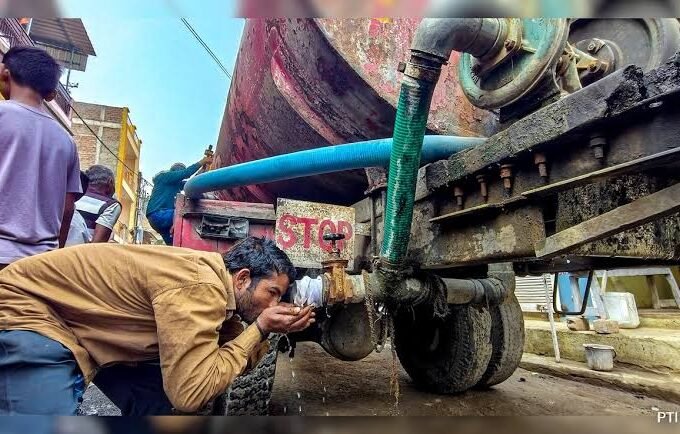
Traffic congestion, water shortages and waste management issues are common concerns during peak tourist seasons. Environmental experts have also raised concerns about the impact of uncontrolled tourism on fragile ecosystems.
Authorities are increasingly focusing on sustainable tourism strategies to address these challenges. These include visitor caps in sensitive areas, stricter waste management rules and promotion of off season travel.
Long term planning is essential to ensure that tourism growth remains beneficial without damaging local environments or community life.
With careful management and infrastructure investment, small towns across India are expected to continue benefiting from the expanding domestic tourism market.
Takeaways
Small-town tourism in India is growing as travelers explore hill stations and pilgrimage cities during the summer season.
Local administrations are improving traffic control, sanitation services and visitor facilities to handle the tourist surge.
Tourism provides important economic opportunities for local businesses, artisans and hospitality workers.
Sustainable planning is essential to manage environmental challenges associated with rapid tourism growth.
FAQs
Why is tourism increasing in small Indian towns?
Improved connectivity, social media travel trends and rising interest in domestic tourism have encouraged travelers to explore smaller destinations.
Which hill stations are most popular during summer?
Shimla, Manali, Mussoorie, Nainital and Ooty remain among the most visited hill stations in India during the summer months.
How are pilgrimage cities preparing for tourist crowds?
Authorities are improving crowd management systems, sanitation services, security arrangements and transportation infrastructure.
What challenges do small tourist towns face during peak seasons?
Traffic congestion, waste management and pressure on local resources such as water supply are common challenges.











Leave a comment