

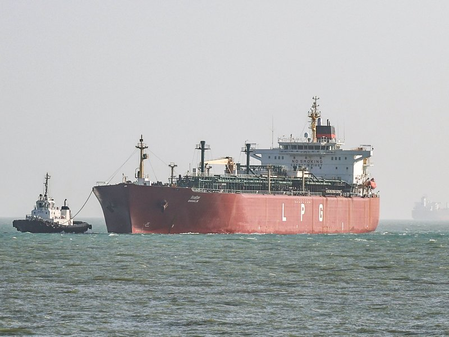
India’s LPG tanker crossing the Strait of Hormuz amid rising global tensions has brought renewed focus on the country’s energy security. The development highlights how geopolitical risks can directly impact domestic fuel supply and pricing stability.
The India LPG tanker crossing Hormuz comes at a time when global tensions in the region are affecting key oil and gas routes. As a major importer of energy, India’s dependence on this critical maritime corridor makes such developments highly significant for supply continuity.
Why the Strait of Hormuz Is Critical for India’s Energy Supply
The Strait of Hormuz is one of the world’s most important chokepoints for oil and gas transportation. A significant portion of global crude oil and liquefied petroleum gas shipments pass through this narrow route connecting the Persian Gulf to international markets.
For India, the dependence is substantial. A large share of its LPG imports originates from Gulf countries such as Saudi Arabia, Qatar, and the United Arab Emirates. These shipments must pass through the Strait of Hormuz to reach Indian ports.
Any disruption in this route can delay shipments, increase freight costs, and create uncertainty in supply chains. Even without a complete blockade, heightened tensions can lead to increased insurance premiums and logistical challenges.
Current Global Tensions and Their Impact on Shipping Routes
Recent geopolitical developments involving Iran and Western powers have raised concerns about maritime security in the region. While there has been no confirmed disruption to Indian shipments, the situation remains sensitive.
Shipping companies often adopt precautionary measures during such periods. These include rerouting vessels, increasing security protocols, or delaying transit until risks are assessed. Such actions can indirectly affect delivery timelines.
For LPG tankers heading to India, even minor delays can create supply pressure, especially if multiple shipments are affected simultaneously. The risk is not just physical disruption but also market volatility driven by uncertainty.
How India Manages LPG Supply and Distribution
India maintains a structured system for LPG procurement and distribution, involving long term contracts with exporting countries and strategic storage facilities. Public sector oil marketing companies play a key role in managing imports and ensuring supply continuity.
Domestic LPG demand is largely driven by household consumption under schemes such as Pradhan Mantri Ujjwala Yojana. This makes uninterrupted supply critical for millions of households, particularly in rural and semi urban areas.
To manage risks, India diversifies its import sources and maintains buffer stocks. However, given the scale of demand, short term disruptions in key routes like Hormuz can still create pressure on inventories.
Distribution networks across states are designed to handle fluctuations, but prolonged disruptions could lead to localized shortages or delays in cylinder delivery.
Potential Impact on Domestic LPG Prices and Availability
One of the immediate concerns arising from geopolitical tension is its effect on LPG pricing. While prices in India are regulated to some extent, global benchmarks still influence cost structures.
If shipping costs rise or supply becomes constrained, oil marketing companies may face higher procurement expenses. This can eventually translate into price adjustments for consumers, depending on government policy and subsidy frameworks.
Availability is another factor. Delays in shipments can affect supply schedules, particularly in high demand regions. Urban areas may experience minor delays, but rural regions with less frequent supply cycles could face more noticeable disruptions.
However, it is important to note that a single tanker crossing does not indicate a crisis. The concern arises when such situations persist or escalate.
India’s Strategy to Reduce Dependence on Vulnerable Routes
Recognizing the risks associated with reliance on specific routes, India has been working on diversifying its energy supply chain. This includes sourcing LPG from multiple countries and exploring alternative shipping routes where feasible.
Investments in strategic petroleum reserves and storage infrastructure are also part of this strategy. These reserves act as a buffer during supply disruptions, allowing the country to maintain stability in the short term.
In addition, India is gradually promoting alternative energy sources such as piped natural gas and electric cooking solutions. While LPG remains dominant, diversification can reduce long term vulnerability.
Diplomatic engagement with key energy suppliers and participation in global energy forums also help India navigate geopolitical risks.
What This Means for Consumers and the Economy
For the average consumer, the immediate impact may not be visible unless disruptions intensify. LPG supply chains are designed to absorb short term shocks, and government intervention often prevents sudden price spikes.
However, sustained tension in the Strait of Hormuz can have broader economic implications. Higher energy costs can influence inflation, transportation expenses, and overall cost of living.
Industries that rely on LPG, including small businesses and manufacturing units, may also feel the impact if supply becomes inconsistent.
The situation underscores the interconnected nature of global events and domestic markets. Developments in distant regions can have direct consequences for households and businesses in India.
Takeaways
- The Strait of Hormuz is a critical route for India’s LPG imports
- Global tensions can affect shipping costs, timelines, and supply stability
- India relies on diversification and reserves to manage energy risks
- Prolonged disruptions could impact LPG prices and availability
FAQs
Why is the Strait of Hormuz important for India?
It is a major route for oil and LPG imports from Gulf countries, making it essential for India’s energy supply.
Will LPG prices increase بسبب this situation?
Prices may be affected if global costs rise significantly, but government policies often moderate sudden changes.
Can India face LPG shortages due to this issue?
Short term disruptions are manageable, but prolonged issues could create localized supply challenges.
What steps is India taking to reduce such risks?
India is diversifying import sources, building reserves, and promoting alternative energy solutions.








Leave a comment