

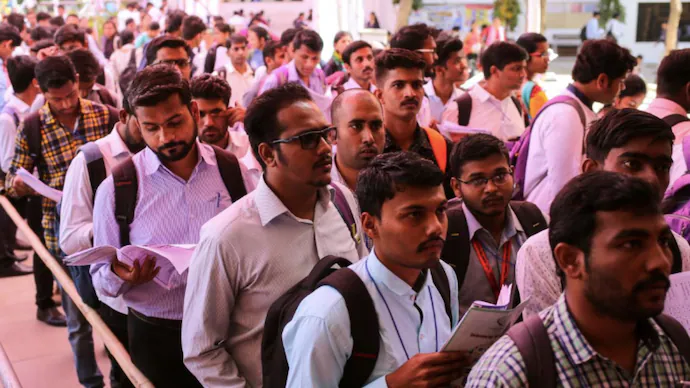
Remote work has triggered a major migration trend in India, with young professionals moving back to Tier-2 and Tier-3 cities. Rising metro living costs, flexible jobs, better digital access, and improved quality of life are encouraging many workers to rebuild their careers closer to home.
Remote Work Has Changed India’s Urban Migration Pattern
The new migration trend in India is becoming increasingly visible as young professionals return to smaller cities after remote work opportunities expanded across industries. For decades, major metro cities like Bengaluru, Mumbai, Delhi, Hyderabad, and Pune attracted graduates seeking better jobs and higher salaries. Today, that pattern is slowly shifting.
The rise of hybrid work and remote employment has reduced the need for employees to stay physically close to corporate offices. Many professionals who moved to metro cities for work during the last decade are now relocating back to their hometowns in Tier-2 and Tier-3 regions.
This trend accelerated after the pandemic normalized remote collaboration across sectors such as IT, digital marketing, media, customer support, finance, and online education. Companies that once required daily office attendance are now offering flexible work arrangements, allowing employees to choose where they live.
As a result, smaller Indian cities are witnessing renewed economic activity, especially among younger professionals in their twenties and thirties.
Rising Metro Expenses Are Pushing Professionals Away
One of the biggest reasons behind this migration shift is the growing cost of living in metro cities. Rent, transportation, food, healthcare, and lifestyle expenses have increased significantly in urban centers over the last few years.
For many young workers, especially those in early and mid-level roles, maintaining a comfortable life in cities like Bengaluru or Mumbai has become financially difficult despite stable salaries. Long commutes, crowded infrastructure, and high monthly expenses are making metro life less attractive than before.
In contrast, smaller cities offer lower housing costs, reduced daily expenses, and access to family support systems. A professional earning a remote salary from a metropolitan company can often maintain a much better lifestyle in cities like Nagpur, Indore, Surat, Jaipur, Ranchi, or Mysuru.
This financial advantage is encouraging many workers to rethink the traditional belief that career growth is only possible in large cities.
Tier-2 Cities Are Becoming Better Equipped for Professionals
India’s smaller cities are also evolving rapidly. Improved internet connectivity, better roads, co-working spaces, digital banking, and food delivery services have made remote work more practical outside metros.
Several Tier-2 cities now have strong digital infrastructure capable of supporting professionals working for companies based anywhere in the country or even abroad. Affordable broadband and expanding 5G networks have further improved work-from-home experiences.
At the same time, cafes, co-working hubs, and startup communities are growing in emerging urban centers. Cities like Chandigarh, Kochi, Ahmedabad, Coimbatore, and Bhubaneswar are increasingly attracting remote workers who want urban convenience without metro-level pressure.
Educational institutions and local startup ecosystems are also contributing to this transition. Younger populations in smaller cities are becoming more digitally skilled, which creates a stronger local talent base for companies and entrepreneurs.
Work-Life Balance Is Becoming a Bigger Priority
Another major factor behind this migration trend is changing lifestyle priorities among younger professionals. Many employees are now valuing mental health, family time, and personal flexibility more than purely corporate ambition.
Remote work gave professionals an opportunity to compare metro life with life in their hometowns. For many, returning to smaller cities meant less stress, shorter travel time, cleaner surroundings, and stronger social connections.
The idea of success is also changing among younger generations. Instead of focusing only on living in expensive metropolitan areas, many professionals now prioritize financial stability and quality of life.
Social media and digital entrepreneurship have also expanded income opportunities outside traditional office jobs. Freelancers, creators, consultants, and startup founders are increasingly building careers from smaller cities without relocating permanently to metros.
This shift is creating a more decentralized workforce across India.
Companies Are Adapting to Distributed Workforces
Businesses are slowly adjusting to this new reality. Several Indian and multinational companies now operate with distributed teams across multiple cities instead of concentrating employees in one office location.
Hybrid hiring models have helped organizations reduce office costs while expanding access to talent beyond metro cities. Employers are also discovering that professionals working from smaller towns often remain with companies longer due to improved work-life balance.
However, challenges still remain. Some industries continue to require physical office presence, especially in manufacturing, operations, healthcare, and traditional corporate sectors. Career networking opportunities can also be more limited outside major cities.
Despite this, the long-term direction appears clear. Remote work has permanently changed how many young Indians think about careers, lifestyle choices, and migration.
What this really means is that India’s future workforce may become more geographically distributed than ever before. Smaller cities are no longer just places people leave for opportunity. They are increasingly becoming places where professionals choose to return and build sustainable lives.
Key Takeaways
- Remote and hybrid work models are encouraging professionals to move back to smaller cities
- High metro living costs are making Tier-2 and Tier-3 cities more attractive
- Better internet infrastructure and digital services support remote work outside metros
- Young professionals are prioritizing work-life balance and financial stability over metro lifestyles
FAQs
Why are young professionals leaving metro cities?
Many professionals are moving due to rising living costs, long commutes, remote work flexibility, and the desire for better work-life balance.
Which Indian cities are benefiting from this migration trend?
Cities like Indore, Jaipur, Nagpur, Coimbatore, Surat, Chandigarh, Kochi, and Bhubaneswar are seeing growing interest from returning professionals.
Is remote work the main reason behind this shift?
Remote work is a major factor because it allows employees to work for companies located elsewhere while living in smaller cities.
Will this trend continue in the future?
Experts believe hybrid and remote work models will continue influencing migration patterns, especially in digital and technology-driven industries.
(remote work India, migration trend India, Tier-2 cities India, work from home culture, young professionals India, smaller city lifestyle, hybrid work India, Indian workforce trends, metro city migration, remote jobs India)











Leave a comment