

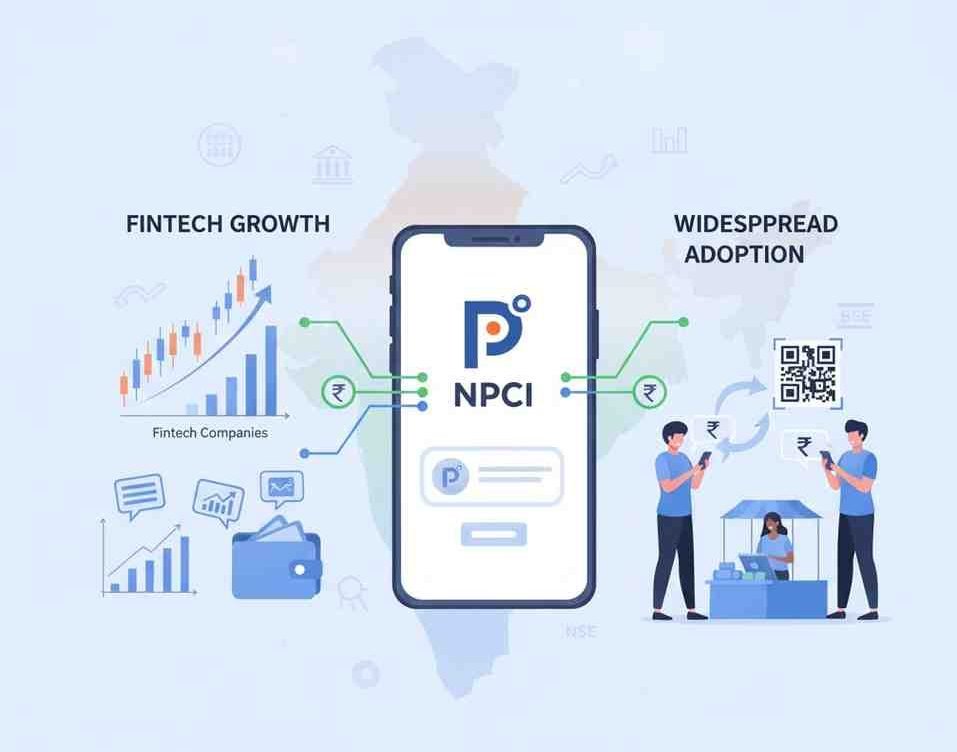
UPI innovation is reshaping India’s retail landscape, especially in Tier-2 cities where digital payments have become a key driver of business growth. From neighborhood stores to local markets, merchants are adopting new payment technologies to improve customer experience, increase sales, and simplify daily operations.
The rapid growth of UPI innovation in Tier-2 India has fundamentally changed how retailers conduct business. Unified Payments Interface (UPI), developed by the National Payments Corporation of India (NPCI), has evolved beyond a simple payment method into an essential business tool. Small retailers, grocery stores, pharmacies, restaurants, and local service providers are increasingly relying on UPI to accept instant payments, manage cash flow, and attract digitally savvy customers.
The widespread availability of affordable smartphones, reliable internet connectivity, and government-led digital initiatives has accelerated UPI adoption across smaller cities. As a result, retailers are experiencing faster transactions, reduced dependence on cash, and improved operational efficiency.
Rising Digital Payments Are Changing Local Retail
Digital payments have become a routine part of shopping in Tier-2 cities. Consumers now expect QR code payments at nearly every retail outlet, regardless of business size. Even street vendors and neighborhood shops commonly display multiple UPI payment options.
This shift has simplified transactions for both buyers and sellers. Customers no longer need to carry exact cash, while merchants receive payments directly into their bank accounts within seconds.
Retailers also benefit from improved transparency. Every payment is digitally recorded, making it easier to monitor daily sales and maintain financial records. Many businesses that previously relied entirely on handwritten registers are gradually adopting digital accounting practices alongside UPI transactions.
The convenience of instant payments has also encouraged repeat purchases, particularly among younger consumers who increasingly prefer cashless shopping experiences.
QR Codes and Soundbox Devices Improve Customer Experience
One of the biggest innovations supporting retailers is the widespread use of QR code payments combined with soundbox confirmation devices.
These devices provide instant audio confirmation whenever a payment is received. Shopkeepers no longer need to manually verify each transaction on their mobile phones, reducing confusion during busy business hours.
For retailers managing large customer volumes, especially grocery stores and pharmacies, this technology speeds up billing and minimizes disputes regarding successful payments.
Several payment companies have also introduced advanced merchant dashboards that allow businesses to track transactions, view settlement reports, and analyze daily sales patterns. Such tools were previously available mainly to larger businesses but are now accessible to small retailers as well.
UPI Innovation Is Helping Small Businesses Grow
Small businesses in Tier-2 India often operate with limited staff and resources. UPI has reduced many operational challenges by simplifying payment collection and reducing cash handling.
Merchants spend less time counting cash, arranging change, or visiting banks for deposits. The saved time can instead be used to improve customer service or manage inventory.
Many retailers are also using transaction history to understand purchasing trends. For example, seasonal demand, festival shopping patterns, and popular products become easier to identify through digital records.
In addition, digital payments can strengthen business credibility when retailers apply for loans. Financial institutions increasingly consider verified transaction history while evaluating creditworthiness, giving many small businesses better access to formal financing.
New Features Are Expanding Business Opportunities
UPI continues to evolve through new features designed for merchants and consumers alike. Services such as UPI Lite for small-value payments, AutoPay for recurring subscriptions, and credit integration on UPI are expanding the ecosystem.
Retailers selling monthly products or services can now automate recurring payments, improving payment consistency. Digital payment platforms are also integrating loyalty programs, promotional offers, and customer rewards directly into payment applications.
Some merchants have begun accepting payments through wearable devices and NFC-enabled smartphones where supported, reflecting India’s gradual shift toward more advanced contactless payment methods.
Although these technologies are still developing, they demonstrate how UPI continues to innovate beyond simple peer-to-peer transfers.
Challenges That Still Need Attention
Despite impressive growth, certain challenges remain for retailers in Tier-2 India.
Internet connectivity can still be inconsistent in some locations, occasionally affecting payment processing. Digital fraud attempts, including fake payment screenshots and phishing scams, continue to require merchant awareness.
Many small business owners are also learning how to fully utilize merchant analytics, inventory integration, and digital bookkeeping tools that accompany payment platforms.
Cybersecurity awareness remains important. Retailers should always verify successful payment confirmations, avoid sharing sensitive banking information, and educate employees about common digital fraud techniques.
Improving digital literacy alongside payment infrastructure will be essential for sustaining long-term growth.
The Future of Retail Payments in Smaller Cities
The future of retail in Tier-2 India is closely linked with continued digital payment innovation. Government initiatives promoting digital commerce, expanding internet access, and financial inclusion are expected to further strengthen UPI adoption.
As consumer confidence in cashless payments grows, retailers will increasingly combine digital payments with inventory management, customer loyalty programs, online ordering, and financial services.
The transformation is no longer limited to large metropolitan areas. Smaller cities are becoming important contributors to India’s digital economy, with local businesses embracing technology to compete more effectively and serve customers more efficiently.
UPI has moved beyond being a payment platform. It has become a catalyst for business modernization, helping retailers streamline operations, improve financial management, and participate more actively in India’s rapidly expanding digital economy.
Key Takeaways
- UPI has significantly reduced cash dependence among retailers in Tier-2 cities.
- QR codes, soundbox devices, and merchant dashboards are improving business efficiency.
- Digital transaction records are helping small businesses manage finances and access formal credit.
- Continued innovation and digital literacy will further strengthen retail growth across smaller Indian cities.
Frequently Asked Questions
Q1. Why is UPI important for retailers in Tier-2 India?
UPI enables instant digital payments, reduces cash handling, improves transaction transparency, and enhances customer convenience.
Q2. How does UPI benefit small businesses financially?
Digital transaction records help merchants maintain better financial documentation, improve cash flow management, and strengthen eligibility for business loans.
Q3. What are the latest UPI innovations for merchants?
Recent developments include UPI Lite, AutoPay, credit on UPI, soundbox payment confirmations, and enhanced merchant analytics.
Q4. What challenges do retailers still face while using UPI?
Common challenges include occasional internet disruptions, digital payment fraud attempts, limited digital literacy, and the need for stronger cybersecurity awareness.
(Internal keyword suggestions: UPI innovation, UPI in Tier-2 India, digital payments India, retail businesses, QR code payments, NPCI, cashless economy, small business digital payments, merchant payments, UPI for retailers, digital commerce India, financial inclusion)












Leave a comment