

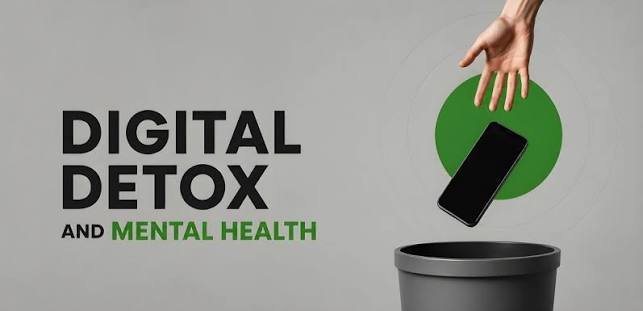
From limiting Instagram use to switching off notifications, young Indians are becoming more conscious of their screen habits. Growing concerns about social media fatigue, sleep disruption and constant connectivity are bringing digital detox into everyday conversations.
Digital Detox Among Young Indians Is Gaining Attention
Digital detox among young Indians is becoming an increasingly discussed lifestyle trend as smartphones, social media and online entertainment occupy a large part of everyday life. For students and young professionals, checking notifications, watching short videos, replying to messages and scrolling through social media can become routine activities throughout the day.
However, constant connectivity is also creating a sense of exhaustion among some users. Many are beginning to question how much time they spend online and whether every notification requires an immediate response.
A growing number of young people are experimenting with practical changes such as deleting social media applications temporarily, setting screen-time limits, switching off notifications and keeping their phones away during meals or before bedtime.
This does not necessarily mean they want to abandon technology. Smartphones remain important for education, work, payments, communication and entertainment. The emerging interest is more about controlling digital habits rather than disconnecting completely.
How Much Time Are Young Indians Spending on Screens?
The scale of smartphone usage in India helps explain why digital wellbeing is receiving attention.
The 2026 Student Cyber Resilience Education and Empowerment Nationwide (SCREEN) Survey, conducted by Young Leaders for Active Citizenship (YLAC) with support from the British Asian Trust and BT Group, collected responses from 3,907 young people aged 11 to 30 across different regions and socioeconomic backgrounds.
Its findings showed the following daily phone-use patterns:
- 18.9% spent less than one hour on their phones.
- 28.7% spent between one and three hours.
- 30.1% spent between three and six hours.
- 16.3% spent between six and twelve hours.
- 4.9% spent more than twelve hours.
The largest group reported spending three to six hours on their phones daily.
The survey also examined when young people begin using their devices. Around 26% said they checked their phones immediately after waking up.
These findings do not establish that everyone with high screen time experiences negative effects. However, they highlight how closely digital devices are connected to daily routines, including the first moments after waking.
Why Social Media Is Creating Digital Fatigue
Social media platforms are designed to keep users engaged through personalised feeds, recommendations, notifications and short-form videos.
A person may open Instagram to check a message and end up watching several reels. Similarly, YouTube recommendations can lead users from one video to another without a specific viewing plan.
Over time, this repeated switching between content can make some users feel mentally overloaded.
A 2026 study published in the journal Acta Psychologica examined social media fatigue among young adults aged 18 to 30. The research analysed responses from 408 participants and explored how information overload and boredom contribute to social media exhaustion.
The study also examined whether awareness of algorithm-driven content could influence these relationships.
This is relevant because users are not only consuming content. They are constantly deciding what to watch, what to ignore, what to share and how to respond.
For some young Indians, the problem is not simply the number of hours spent online. It is the feeling of being mentally occupied by digital content even when they are not actively using their phones.
Instagram Reels, Short Videos and the Habit of Endless Scrolling
Short-form video platforms have changed how young people consume entertainment.
Instagram Reels, YouTube Shorts and similar formats offer quick content that can be watched almost anywhere. A few minutes of scrolling can easily become a much longer session.
The format makes entertainment convenient, but it can also encourage repeated checking. Users may open an application out of habit rather than because they have a specific purpose.
An Indian Express report published in June 2025 documented young Indians experimenting with social media breaks after feeling exhausted by endless scrolling and algorithm-driven content.
Some users described reducing their Instagram activity, deleting applications or choosing not to post regularly. Others said they wanted to enjoy activities without feeling pressure to document everything online.
This reflects a change in the relationship between social media and personal life. For some users, stepping away is becoming a way to reduce comparison and spend more time on activities outside the digital environment.
Does Constant Screen Time Affect Sleep and Concentration?
Sleep and concentration are among the areas frequently discussed in research on digital behaviour.
Late-night scrolling can delay bedtime, particularly when users continue watching videos or responding to messages after intending to sleep. Notifications may also interrupt rest.
The SCREEN Survey 2026 identified a connection between substantial daily screen use, checking phones immediately after waking and reported emotional exhaustion. Its findings suggest that digital wellbeing needs to be understood through both usage patterns and personal experiences.
A separate 2026 study published in the Indian Journal of Home Science examined digital detox practices among 250 young people aged 18 to 25 in Vadodara.
Research in this area is still developing, and not every study establishes a direct cause-and-effect relationship between screen time and poor mental health. The purpose of using digital devices also matters.
An hour spent attending an online class is different from an hour of compulsive scrolling. Similarly, using a phone to communicate with family is not necessarily comparable to repeatedly checking social media without a clear purpose.
The quality, timing and purpose of screen use are therefore important considerations.
Why Some Young Indians Are Taking Social Media Breaks
Digital detox does not always involve deleting every social media account. Many young people are adopting smaller changes that fit into their daily schedules.
Some users remove applications from their phones during examinations or important work periods. Others log out of social media accounts to avoid opening them automatically.
A June 2025 Indian Express report from Pune highlighted individuals who had reduced or stopped using Instagram because of online negativity, comparison and the pressure to remain active.
One of the motivations described was the desire to enjoy personal experiences without feeling the need to post them online.
Another concern was the nature of content appearing in social media feeds. Users reported feeling uncomfortable with repetitive or emotionally draining posts.
These experiences suggest that digital detox can be personal. Someone may want to reduce entertainment content, while another person may prefer to avoid online arguments or constant notifications.
The goal is not necessarily to stop using technology but to make digital engagement more intentional.
Digital Detox Does Not Mean Rejecting Technology
It is important to understand that young Indians cannot simply avoid smartphones in modern daily life.
Students use digital platforms for online learning, examination preparation and communication. Professionals depend on email, workplace applications, video meetings and digital documents.
Online banking, UPI payments, ticket bookings, navigation and government services also make smartphones essential.
The Economic Survey 2025-26 highlighted India’s extensive digital adoption. It reported that 85.5% of households owned at least one smartphone in 2025 and noted the growing use of the internet for videos, social media, email and digital payments.
The Survey also recognised that compulsive and high-intensity digital use can create challenges involving lost study time, reduced productivity, wellbeing and risky online behaviour.
This distinction is important. Technology itself is not the problem. The challenge is managing its use without allowing unnecessary digital activities to interfere with sleep, work, studies or personal relationships.
A practical digital detox should therefore focus on reducing unhelpful habits rather than eliminating useful digital services.
Practical Ways Young People Can Reduce Screen Time
Young people who want to improve their digital habits can begin with manageable changes instead of attempting a complete digital break.
1. Set app-specific time limits: Identify applications that consume the most time and use built-in screen-time controls to establish daily limits.
2. Switch off unnecessary notifications: Keep essential calls and work alerts active while disabling notifications from applications that encourage frequent checking.
3. Avoid using phones immediately after waking: Starting the day without social media can help reduce automatic scrolling and create time for morning routines.
4. Create phone-free periods: Keep devices away during meals, study sessions, meetings and conversations with family or friends.
5. Reduce late-night scrolling: Establish a regular time to stop using entertainment applications before sleeping. Charging the phone away from the bed may also help.
6. Replace scrolling with offline activities: Reading, exercising, cooking, meeting friends, walking and pursuing hobbies can provide alternatives to passive screen use.
These steps are easier to maintain when they are connected to a clear purpose, such as improving concentration or making more time for personal activities.
Are Digital Detox Trends Becoming Part of a Larger Lifestyle Change?
The interest in digital detox reflects broader conversations about work-life balance, personal boundaries and online identity.
Young Indians are increasingly exposed to digital content that presents carefully curated lifestyles, travel experiences, fitness routines and professional achievements. Constant exposure can encourage comparison, particularly when users begin measuring their own experiences against what they see online.
Some young people are responding by posting less frequently, keeping private accounts or spending more time offline.
Others are choosing to consume content more selectively instead of following every trend.
This does not mean social media is losing its importance. Digital platforms continue to play a major role in communication, entertainment, career development and content creation.
The change is more about how people want to use these platforms.
For many, the objective is to remain connected without feeling that they must be available, active or entertained every moment of the day.
Key Takeaways
- Digital detox is gaining attention among young Indians concerned about excessive scrolling, notifications and constant connectivity.
- The 2026 SCREEN Survey found that 30.1% of respondents aged 11–30 spent three to six hours daily on their phones.
- Social media fatigue, information overload, sleep routines and digital comparison are among the concerns associated with intensive screen use.
- Digital detox does not require abandoning smartphones. Setting boundaries, reducing unnecessary notifications and creating phone-free periods can help improve digital habits.
Frequently Asked Questions
1. What is digital detox?
Digital detox refers to temporarily reducing or limiting the use of digital devices and online platforms. It can involve taking social media breaks, setting screen-time limits or creating phone-free periods.
2. Why are young Indians becoming interested in digital detox?
Some young people are concerned about endless scrolling, social media fatigue, online comparison, sleep disruption and the pressure to remain constantly available.
3. Does digital detox mean deleting social media permanently?
No. Digital detox can involve temporary breaks or small changes in usage habits. People can continue using social media for communication, work and entertainment while setting healthier boundaries.
4. How can students and professionals reduce screen time?
They can set application limits, switch off unnecessary notifications, avoid late-night scrolling, keep phones away during focused work and replace some online activities with offline hobbies.
(Internal keywords: digital detox India, digital detox among young Indians, Gen Z screen time India, social media fatigue, excessive smartphone use, screen time habits India, digital wellbeing for students, Instagram scrolling habits, smartphone addiction awareness, digital detox tips, young Indians and social media)












Leave a comment