

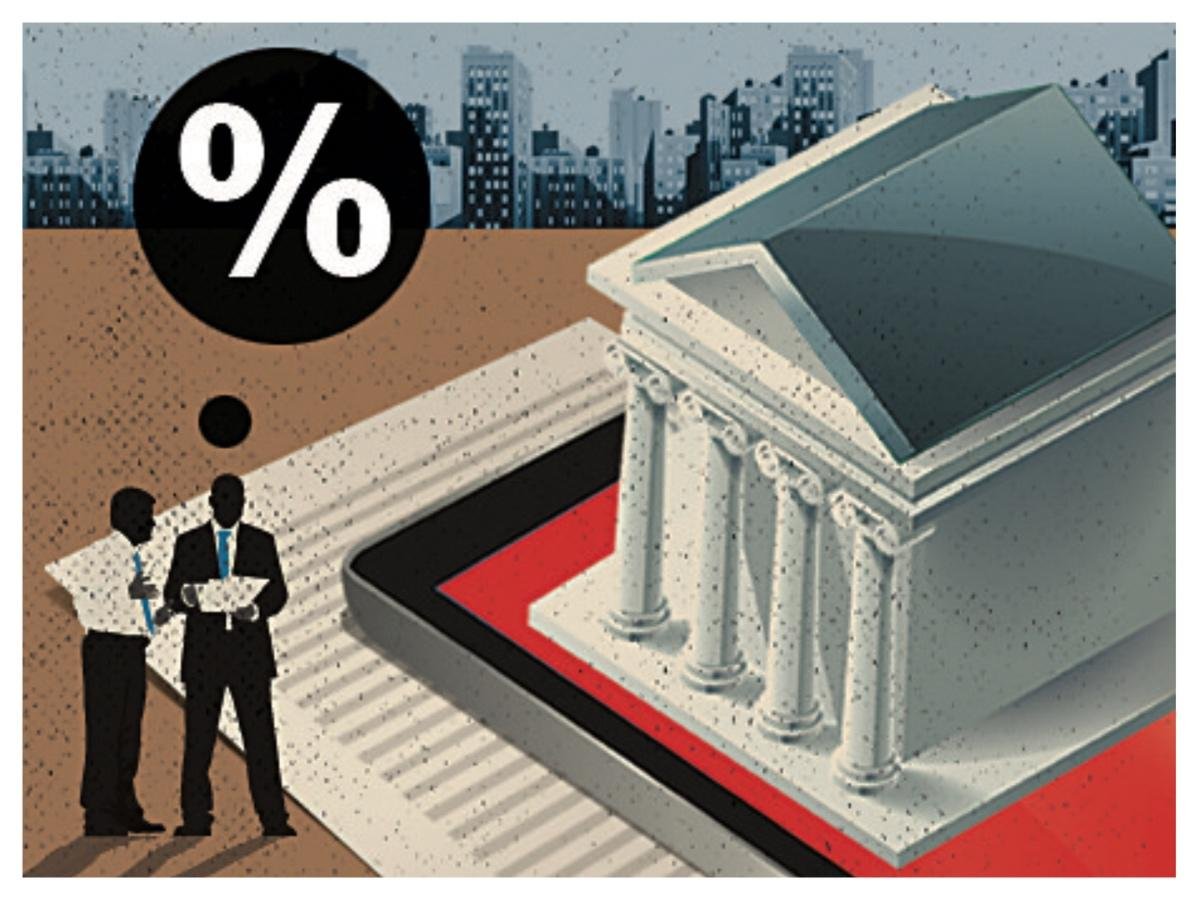
The RBI rate cut of 25 basis points has raised expectations across Tier 2 India as small businesses and home buyers look for relief in a year marked by rising costs and slower demand. The rate cut signals a shift toward supporting liquidity, credit flow and consumer confidence.
Impact on small business credit access
Small businesses in Tier 2 cities often rely on bank loans and credit lines to manage working capital. The RBI rate cut reduces the cost of funds for banks, which can encourage lenders to price loans more competitively. Although rate transmission usually takes a few weeks, early signals from major banks indicate a likely downward shift in lending rates.
For manufacturers, traders and service providers facing slower cash cycles, even a marginal reduction in EMIs strengthens cash flow visibility. Improved liquidity can also speed up vendor payments, reduce dependence on informal credit and encourage reinvestment.
However, access to credit still depends on bank level risk assessment. Businesses with inconsistent compliance or thin credit profiles might not experience immediate benefits. The rate cut improves the environment but does not change underwriting rules.
Home loan affordability and demand revival
The housing market in Tier 2 cities has been expanding steadily with demand driven by salaried households, first time buyers and returning migrants. The RBI rate cut softens home loan interest rates, making EMIs more manageable for new borrowers. For a typical home loan of 30 lakh, a 25 basis point reduction can lower monthly EMIs by several hundred rupees, improving long term affordability.
Lower EMIs can also motivate fence sitters who delayed purchases due to high rates. Developers in smaller cities depend heavily on retail home buyers instead of institutional investors. Even a moderate rise in demand can support project cash flows and reduce unsold inventory.
Existing borrowers with floating rate loans may also see slight reductions in monthly installments. While the benefit is not large, the cumulative savings over the loan tenure can be meaningful.
Liquidity boost and spending confidence
The central banks liquidity support accompanying the rate cut is critical. When system liquidity improves, banks are more willing to lend to smaller enterprises and households. This can directly influence local markets in Tier 2 regions where credit availability shapes consumption patterns.
Retailers, automobile dealers and small service providers often experience a demand uptick when borrowing costs fall. Improved sentiment encourages purchases of consumer durables, two wheelers and entry level housing, sectors that are highly sensitive to interest rates.
The broader macro impact also matters. A rate cut signals confidence in controlling inflation. Stability in inflation helps households plan budgets more accurately, which is important for families in Tier 2 cities where discretionary spending closely aligns with monthly cash flows.
Risks and limitations for borrowers and businesses
While the rate cut provides relief, the overall benefit may be uneven. Banks with higher cost structures or tighter risk models may delay passing on the reduction. Borrowers with weak credit scores or unstable income patterns might not qualify for better rates.
Small businesses still face challenges linked to compliance costs, raw material inflation and slow receivables. A rate cut improves financial conditions but does not fully resolve structural bottlenecks.
For home buyers, property prices in several Tier 2 markets have inched upward due to rising construction costs. This could partially offset gains from lower interest rates. Careful financial planning remains essential as interest cycles can shift again based on inflation and global economic trends.
Long term outlook for Tier 2 India
The rate cut reinforces the long term shift in policy toward supporting growth while maintaining price stability. Over time, Tier 2 cities are expected to benefit more than metros as they rely heavily on credit driven growth.
If banks transmit rates effectively, small enterprises could gain stronger footing to expand operations, invest in technology and grow employment. For households, improved affordability may accelerate Tier 2 housing development, creating opportunities across construction, services and retail sectors.
The next quarter will reveal how quickly lenders adjust their rates and how borrowers respond. The credit cycle in these regions often moves in response to policy signals, making this rate cut an important trigger for economic activity.
Takeaways
RBI rate cut lowers borrowing costs for businesses and home buyers in Tier 2 cities
Small firms may benefit from improved working capital and credit flow
Home loan EMIs could reduce slightly, improving affordability
Impact depends on how quickly banks transmit the rate cut
FAQs
Will banks immediately reduce loan rates after the cut
Banks typically adjust rates within a few weeks, but the speed varies based on their cost of funds and internal pricing strategies.
How much will EMIs reduce for home buyers
For an average home loan, a 25 basis point reduction may reduce EMIs by a few hundred rupees, with meaningful savings over the loan tenure.
Will small businesses see easier access to loans
Credit access may improve as liquidity increases, but businesses must still meet standard underwriting and compliance requirements.
Does the rate cut guarantee lower inflation
The rate cut reflects confidence in inflation trends, but inflation is influenced by global factors, supply conditions and policy decisions.












Leave a comment