

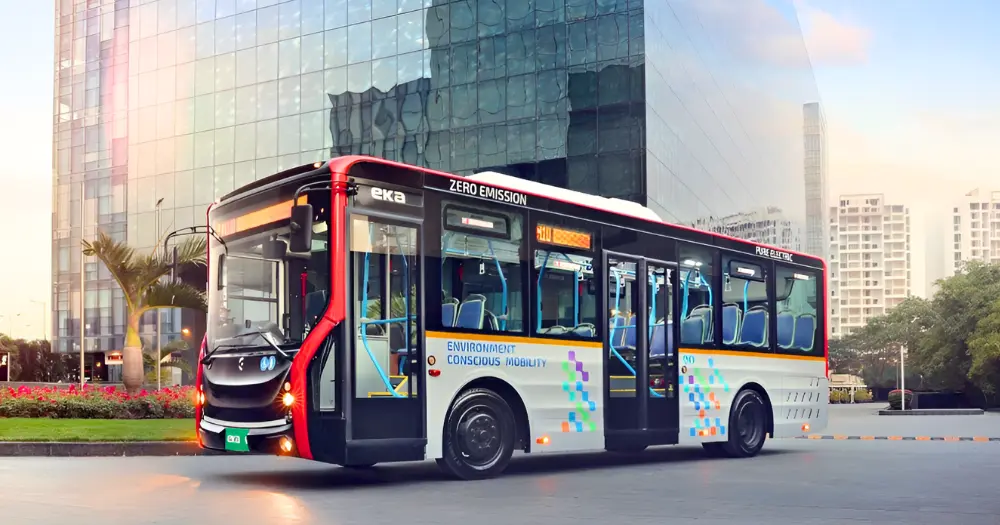
Andhra Pradesh to add 750 electric buses marks a significant shift in how cities across the state plan public transport for the next decade. The large scale induction aims to improve daily commutes, cut emissions and modernise bus services in fast growing urban centres.
Andhra Pradesh to add 750 electric buses is a time sensitive policy and infrastructure development, announced as part of ongoing transport modernisation efforts. The decision directly affects city commuters, state transport corporations and urban mobility planning, with rollout expected to influence travel patterns over the next few years.
The state government plans to deploy these electric buses across major cities and emerging urban hubs where public transport demand is rising sharply. Cities such as Visakhapatnam, Vijayawada, Tirupati, Rajahmundry and Kakinada are expected to benefit the most due to higher passenger volumes and congestion levels. The move aligns with national clean mobility goals while addressing local commuting challenges.
Why Andhra Pradesh is shifting to electric buses
The decision to add 750 electric buses is driven by a mix of economic, environmental and operational factors. Conventional diesel buses have rising fuel and maintenance costs, putting pressure on state transport finances. Electric buses, despite higher upfront costs, offer lower running expenses over their lifecycle.
Urban air quality has also emerged as a concern in Andhra Pradesh’s cities, especially along high traffic corridors. Electric buses produce zero tailpipe emissions, helping reduce particulate pollution and noise levels. This makes them suitable for dense residential areas, temple towns and tourist zones where environmental sensitivity is high.
The state is also responding to increasing commuter expectations. Modern buses with smoother rides, lower noise and better interiors improve the overall perception of public transport, encouraging a shift away from private vehicles.
Impact on daily city commutes
For everyday commuters, the addition of electric buses is expected to improve reliability and comfort. Electric buses typically offer quicker acceleration, smoother braking and less vibration compared to diesel buses. This translates into a more comfortable experience, especially on longer city routes.
Frequency of services is likely to increase on high demand corridors as operating costs reduce. Transport authorities can deploy buses more strategically during peak hours without worrying about fuel consumption spikes. Shorter waiting times and predictable schedules benefit office goers, students and senior citizens.
Noise reduction is another noticeable change. Electric buses operate quietly, which improves travel comfort and reduces roadside noise pollution. This is particularly relevant for routes passing through hospitals, educational institutions and residential neighbourhoods.
Charging infrastructure and route planning
The success of adding 750 electric buses depends heavily on charging infrastructure. Andhra Pradesh transport agencies are expected to develop depot based charging stations and select opportunity charging points along key routes. Careful route planning is essential to match bus range with daily operational requirements.
Electric buses generally operate efficiently on fixed routes with predictable distances. City planners are likely to prioritise circular routes, trunk corridors and feeder services for electric deployment. This ensures minimal service disruption and optimal battery usage.
Grid readiness is also a factor. Charging schedules must align with power availability to avoid stress on local electricity networks. Coordinated planning between transport and energy departments is crucial for smooth operations.
Cost implications and funding model
While electric buses cost more initially than diesel buses, Andhra Pradesh is expected to use a mix of government support, operational contracts and leasing models to manage expenditure. Many states adopt gross cost contract models where private operators own and maintain buses while the transport corporation pays per kilometre.
This approach reduces financial risk for the state and ensures performance based accountability. Savings from fuel and maintenance over time can be redirected toward service expansion and fleet upgrades.
For commuters, fares are unlikely to increase solely due to electric buses. In fact, improved efficiency may help stabilise fare structures while enhancing service quality.
Environmental and public health benefits
The environmental impact of adding 750 electric buses is substantial. Replacing diesel buses with electric alternatives significantly cuts carbon emissions and urban air pollutants. Over time, this contributes to better respiratory health outcomes for city residents.
Reduced noise pollution improves urban livability, particularly along busy roads. Cleaner public transport also supports Andhra Pradesh’s broader sustainability goals, including climate commitments and smart city initiatives.
Electric buses also create a visible signal of transition, influencing public behaviour and encouraging acceptance of clean mobility solutions across other transport segments.
Challenges and execution risks
Despite the advantages, challenges remain. Battery performance in extreme heat, maintenance skill gaps and charging downtime can affect service reliability if not addressed. Training drivers and technicians for electric systems is essential to avoid operational setbacks.
Another concern is fleet integration. Managing mixed fleets of diesel and electric buses requires careful scheduling and maintenance planning. Poor coordination could lead to uneven service quality across routes.
Public perception will depend on execution. Delays, breakdowns or inconsistent frequency could undermine confidence in electric buses despite their long term benefits.
What this means for Andhra Pradesh cities
The move to add 750 electric buses positions Andhra Pradesh among states actively reshaping urban mobility. For growing cities, this investment supports expansion without proportionally increasing pollution or congestion.
If implemented effectively, electric buses can become the backbone of city transport, complemented by last mile connectivity options. The transition also opens opportunities for local jobs in charging infrastructure, maintenance and fleet management.
Ultimately, the impact will be measured not just by bus numbers but by how seamlessly they integrate into daily commuting routines.
Takeaways
- Andhra Pradesh plans to add 750 electric buses to city transport fleets
- Commuters can expect quieter, smoother and more reliable bus services
- Charging infrastructure and route planning are critical to success
- The move supports cleaner air, lower operating costs and sustainable mobility
FAQs
Which cities will get the new electric buses?
Major cities and high demand urban centres such as Visakhapatnam, Vijayawada and Tirupati are expected to be priority areas.
Will electric buses reduce ticket prices?
Fares may not drop immediately, but lower operating costs can help stabilise prices over time.
How far can electric buses travel on one charge?
Most city electric buses are designed to cover daily routes with planned charging schedules at depots.
Are electric buses reliable for peak hour travel?
Yes, with proper charging and maintenance planning, electric buses can operate efficiently during peak hours.












Leave a comment