

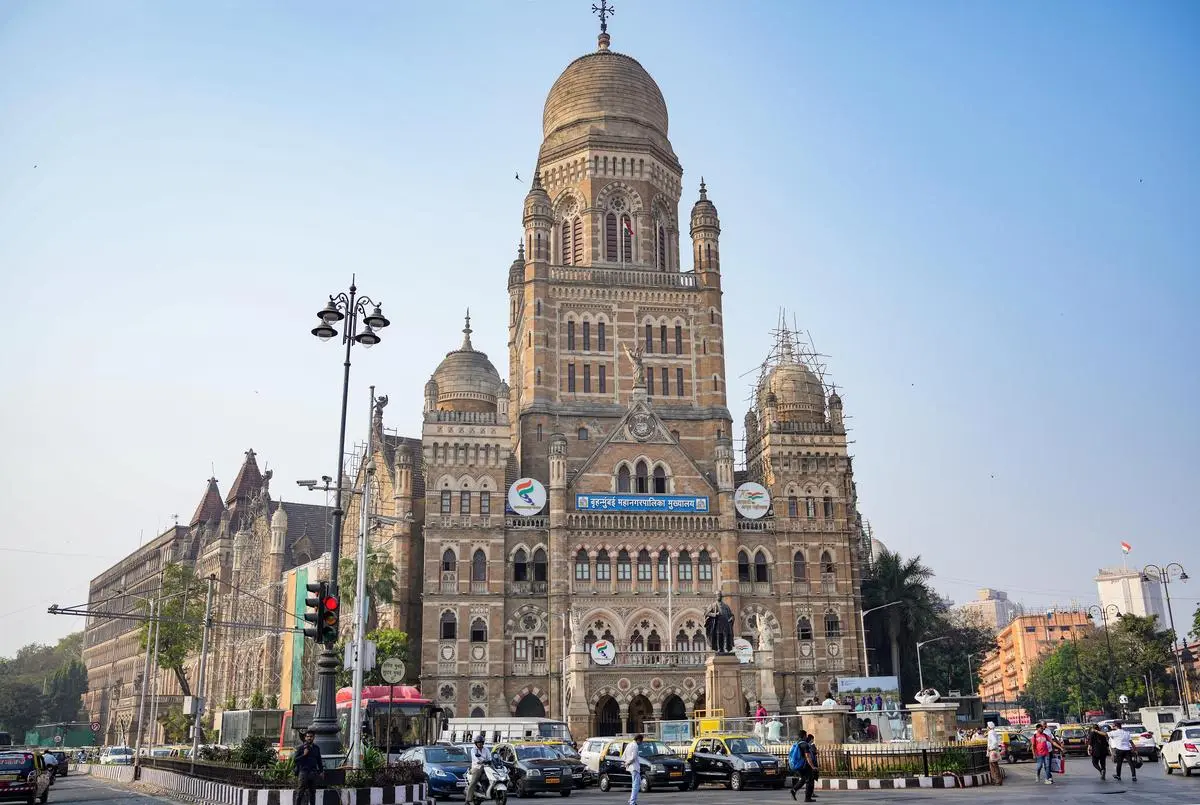
The BMC elections 2026 are more than a Mumbai civic contest. They represent a national test case for urban governance, fiscal autonomy, and political control over India’s richest municipal body, with ripple effects for how cities beyond megacities are governed and funded.
This topic is time sensitive news reporting. The tone is analytical and factual, focused on governance impact rather than campaign rhetoric.
Why the BMC elections 2026 matter nationally
The Brihanmumbai Municipal Corporation controls budgets and assets that surpass many Indian states. The BMC elections 2026 therefore carry stakes far beyond Mumbai’s boundaries. Control of the civic body determines who manages infrastructure spending, public health systems, disaster response, and urban planning in India’s financial capital.
What makes this election especially significant is its timing. Urban India is under pressure from migration, climate risks, housing shortages, and strained public services. How the BMC is governed sets a precedent. Smaller cities often replicate administrative models, budgeting practices, and service delivery frameworks tested first in Mumbai.
Political parties are fully aware that a win or loss here shapes their urban narrative nationally. The outcome will influence strategies for municipal elections in Tier 2 and Tier 3 cities where local governance is increasingly politicised.
Governance control versus political symbolism
The BMC elections are not only about mayors and corporators. They determine control over key committees that decide contracts, land use approvals, and civic appointments. This is where real power lies.
In recent years, debates around delayed elections, administrator led governance, and reduced role of elected representatives have raised questions about democratic accountability in urban bodies. The 2026 polls are seen as a reset point. A clear mandate would strengthen the case for elected councils having greater autonomy over administrators.
For cities beyond megacities, this matters because many municipal corporations face similar issues. When elections are delayed or powers diluted, local governance weakens. The BMC outcome will influence how assertively other cities demand timely elections and functional councils.
Financial stakes and urban service delivery
The BMC controls one of the largest municipal budgets in Asia. Decisions taken after the BMC elections 2026 will affect capital expenditure priorities such as road upgrades, flood mitigation, public transport integration, and healthcare infrastructure.
Urban governance experts note that spending patterns in Mumbai often become benchmarks. If the next BMC leadership prioritises climate resilient infrastructure or decentralised public health, similar approaches are likely to be adopted elsewhere.
For smaller cities, the lesson is clear. Strong municipal leadership can translate into better leverage with state governments and access to funding. Weak or fragmented leadership often results in stalled projects and under utilisation of funds.
Federalism, state control, and municipal autonomy
A key subtext of the BMC elections 2026 is the balance between state authority and municipal independence. Urban local bodies are constitutionally mandated, yet in practice they often operate under heavy state oversight.
Who controls the BMC affects this balance. A politically aligned municipal body may see smoother coordination with the state government. A rival controlled corporation may assert autonomy more aggressively, leading to institutional friction but also sharper accountability debates.
This dynamic is closely watched by administrators in smaller cities. Many municipal commissioners and councils struggle with unclear authority lines. The Mumbai experience post 2026 will shape expectations around how much freedom cities can realistically exercise.
Urban voter behaviour and emerging issues
Urban voters are changing. Issues like water security, waste management, flooding, air quality, and housing affordability now rank alongside traditional concerns such as roads and sanitation. The BMC elections 2026 will test whether political messaging aligns with these evolving priorities.
If voters reward performance driven governance rather than identity or symbolism, it sends a strong signal across urban India. Tier 2 cities with upcoming civic polls will watch turnout patterns, issue based voting, and ward level outcomes closely.
Digital campaigning, data driven outreach, and resident welfare association mobilisation in Mumbai often set trends. These methods are already spreading to smaller cities, reshaping how municipal elections are fought.
What the outcome means beyond Mumbai
The stakes of the BMC elections 2026 extend to urban policy debates nationwide. A decisive outcome could strengthen arguments for greater fiscal devolution to cities. A fragmented mandate could reinforce centralised control narratives.
Urban governance reforms, including mayoral empowerment and longer tenures, often reference Mumbai as a case study. The post election governance model will either support or weaken these reform proposals.
For citizens in non metro cities, the relevance is practical. The quality of urban life increasingly depends on how empowered and accountable local governments are. Mumbai’s civic trajectory influences that conversation more than any other city.
Takeaways
The BMC elections 2026 will shape urban governance narratives across India
Control of the corporation affects budgets, infrastructure priorities, and accountability
The outcome will influence municipal autonomy debates beyond megacities
Smaller cities closely watch Mumbai as a governance and policy benchmark
FAQs
Why are the BMC elections 2026 considered so important?
Because the BMC controls one of the largest municipal budgets and its governance model influences urban policy across India.
Do BMC election outcomes affect cities outside Mumbai?
Yes. Administrative practices, spending priorities, and governance reforms in Mumbai often become reference points for other cities.
What issues are likely to dominate the BMC elections 2026?
Infrastructure, flooding, public health, housing, and municipal accountability are expected to be key voter concerns.
Can the elections impact municipal autonomy nationally?
The post election governance structure will influence debates on how much power and financial control cities should have.










Leave a comment