

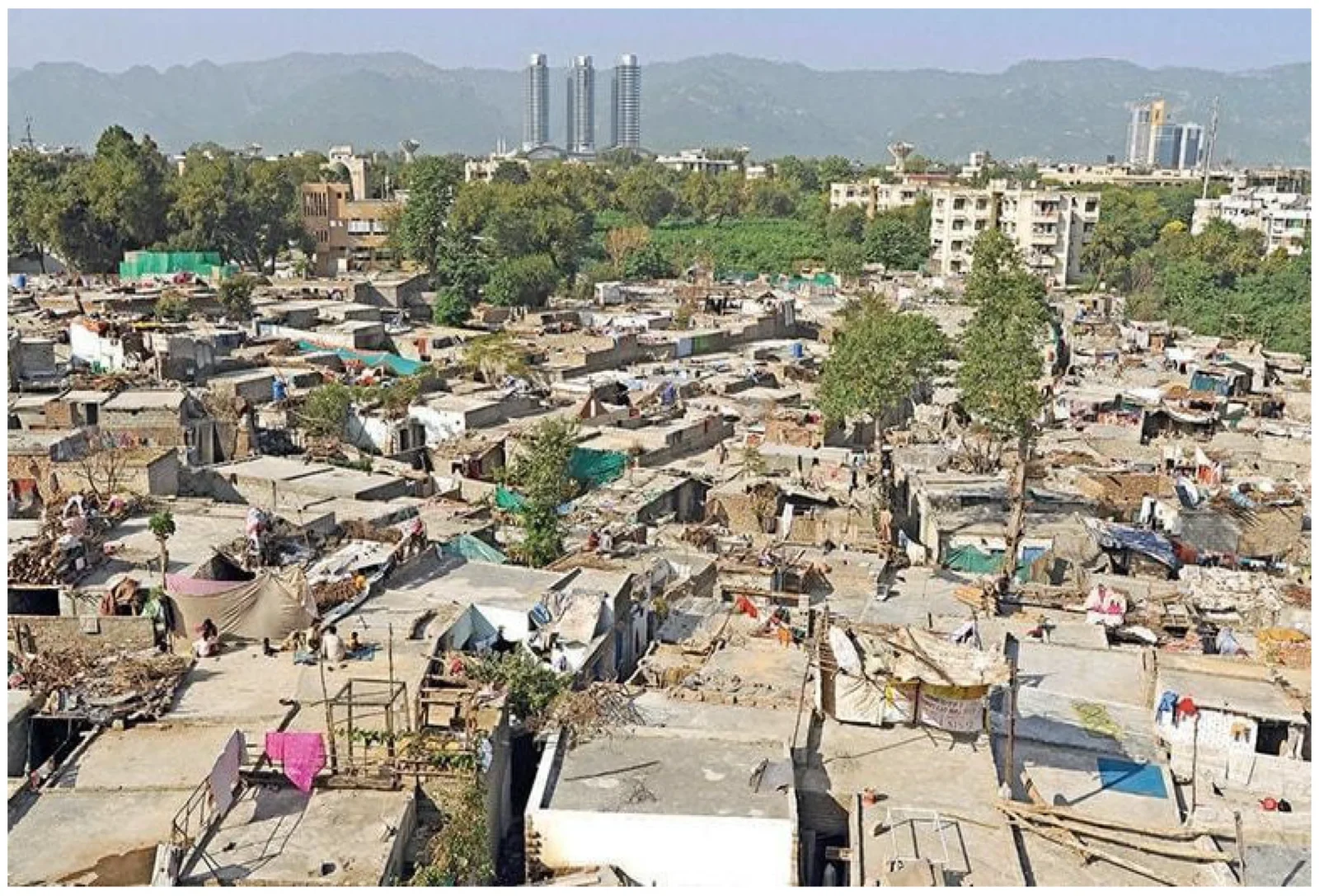
Urban authorities in several Indian cities have opened No Development Zone land for tribal and encroacher rehabilitation, triggering a sharp policy debate. The NDZ land rehabilitation move aims to resolve long pending housing crises but raises questions around environmental safeguards, legal precedent and long term urban planning.
Background of the NDZ land rehabilitation decision
The decision to allow housing on No Development Zone land has emerged from mounting pressure on state governments to address informal settlements, especially those involving tribal communities living near forested or protected areas. NDZ land is typically reserved to prevent urban sprawl, protect ecological buffers and manage disaster risks such as flooding. However, in cities with limited land banks, administrations have begun re evaluating these restrictions.
In recent cases, governments have argued that rehabilitation on NDZ land is a humanitarian necessity. Many affected families have lived in these areas for decades, often predating stricter zoning rules. Evictions without viable relocation plans have repeatedly led to social unrest and legal challenges. The latest NDZ land rehabilitation approvals are positioned as corrective action to balance development with social justice.
Why cities are turning to No Development Zones
Urban land scarcity is the main driver behind the NDZ land policy shift. Tier two cities in Maharashtra, Gujarat and parts of southern India have seen rapid population growth without proportional expansion of affordable housing. Traditional rehabilitation sites closer to employment hubs are either exhausted or financially unviable.
Officials also cite logistical advantages. NDZ land parcels are often already under government control, reducing acquisition disputes. In some locations, basic access roads and utilities already exist due to earlier informal habitation. This makes rehabilitation faster compared to acquiring fresh land elsewhere.
However, urban planners warn that NDZ conversion should remain an exception. Once a precedent is set, future political pressure can dilute zoning discipline, leading to fragmented city planning.
Environmental and legal concerns around NDZ conversion
Environmental experts have raised red flags about allowing permanent construction on NDZ land. These zones often act as flood plains, green buffers or wildlife corridors. Converting them for housing can increase flood risk, reduce groundwater recharge and disturb fragile ecosystems.
Legal ambiguity is another concern. NDZ regulations are typically embedded in regional development plans and coastal or forest protection laws. Selective relaxation without comprehensive amendments can invite litigation. Courts in earlier cases have stressed that environmental zoning cannot be altered through ad hoc executive decisions.
There is also the risk of misuse. Critics argue that labeling all occupants as rehabilitation beneficiaries can open doors for future encroachments, with the expectation of eventual regularisation.
Impact on tribal communities and informal settlers
For tribal families, the NDZ land rehabilitation decision is often viewed as long overdue recognition of their rights. Many tribal settlements were established due to historical displacement or livelihood dependence on nearby forests. Relocation far from traditional areas can disrupt social networks and income sources.
Housing on or near existing NDZ settlements allows continuity in education, employment and cultural practices. From this perspective, the move addresses ground realities rather than theoretical planning norms.
That said, activists caution that rehabilitation quality matters as much as location. Past projects have suffered from poor construction, lack of sanitation and limited access to public services. Without robust execution, NDZ based rehabilitation risks becoming vertical slums.
Was the move right or rushed
The central question is not whether rehabilitation is needed but whether NDZ land is the right solution. Supporters argue that cities cannot afford policy paralysis while thousands live in unsafe conditions. Delays often worsen encroachment, making future planning even harder.
Opponents counter that the speed of approvals suggests reactive governance. Comprehensive environmental impact assessments, public consultations and transparent criteria for beneficiary selection are often missing. In some cases, alternative land options or in situ upgradation within existing legal zones were not fully explored.
A balanced approach would involve limited NDZ conversion backed by clear safeguards. These include low rise construction, strict density caps, compensatory green development elsewhere and continuous environmental monitoring.
What this means for future urban planning
The NDZ land debate reflects a broader shift in Indian urban policy where social equity is increasingly weighed against rigid zoning frameworks. As climate risks grow, cities must be cautious not to trade short term relief for long term vulnerability.
If NDZ rehabilitation becomes a regular tool, it will require formal policy frameworks rather than case by case approvals. Clear guidelines can help cities address housing shortages without eroding environmental resilience.
For Tier two and Tier three cities, this moment is critical. Decisions taken now will shape urban form for decades, influencing everything from flood management to public health outcomes.
Takeaways
NDZ land rehabilitation is driven by acute housing shortages and land scarcity
The move offers relief to tribal and long term encroacher communities
Environmental and legal risks remain significant if safeguards are weak
Future policy needs clarity to avoid setting harmful precedents
FAQs
What is No Development Zone land
No Development Zone land refers to areas where construction is restricted to protect the environment, manage disasters or control unplanned urban growth.
Why are cities allowing rehabilitation on NDZ land
Cities cite humanitarian needs, lack of alternative land and the long term presence of communities as reasons for permitting rehabilitation.
Does NDZ conversion increase environmental risk
Yes, if done without proper planning, it can raise flood risk, reduce green cover and strain local ecosystems.
Is this policy likely to continue
Future continuation depends on legal outcomes, environmental assessments and whether governments formalise guidelines for NDZ land use.












Leave a comment