

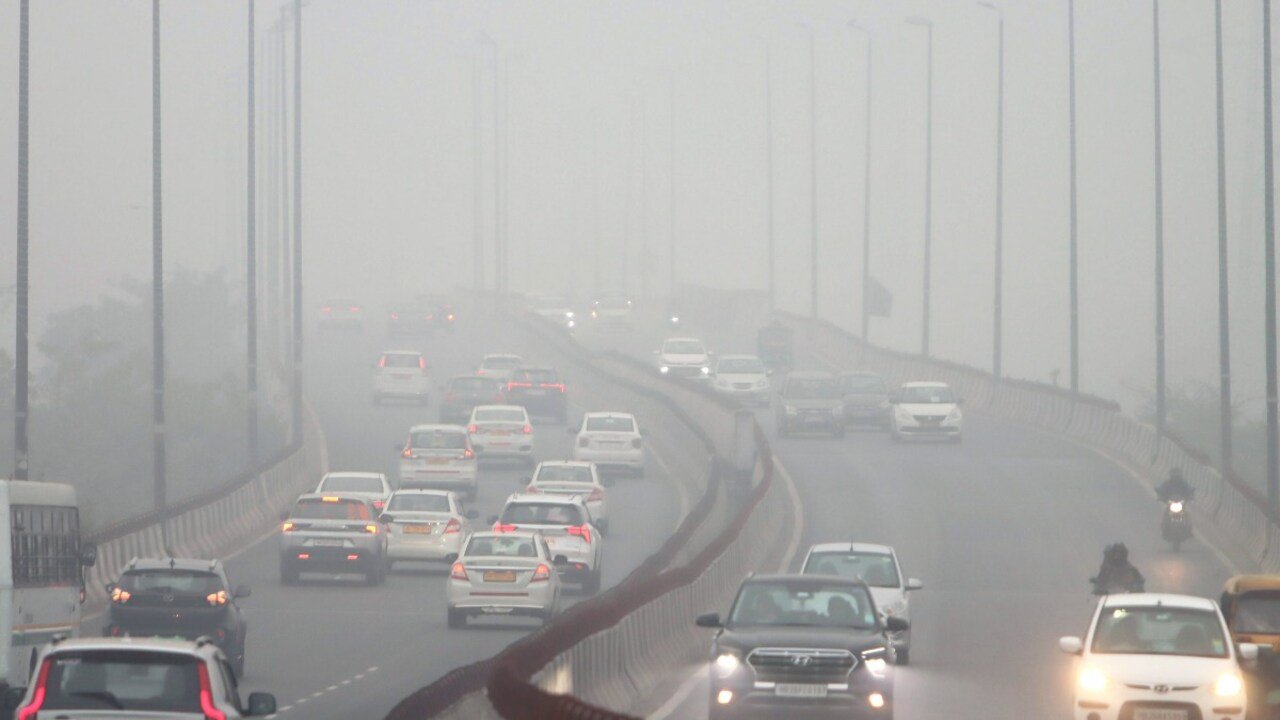
The main keyword cold wave alert is already a reality as the India Meteorological Department (IMD) signals a sharp drop in temperatures across Delhi-NCR, Uttar Pradesh and Haryana. Tier-2 towns in those states are now preparing for the early winter chill with implications for health, travel and local economies.
What the forecast shows for Delhi-NCR & North India
According to the IMD bulletin, cold wave to severe cold-wave conditions are likely in isolated pockets of Haryana, Delhi and Uttar Pradesh from November 10-12, with minimum temperatures expected to fall well below normal levels. Some localities in Delhi-NCR are already seeing minimums in the 9-10 °C range. The feature of a clear sky, dry north-westerly winds and absence of cloud cover is accelerating night-time cooling, contributing to the chill.
Tier-2 towns in UP and Haryana bracing for impact
In smaller cities across Uttar Pradesh (such as Meerut, Kanpur, Agra) and Haryana (such as Rohtak, Hisar, Karnal), the infrastructure and public readiness for cold snaps are less robust compared with metros. Smaller hospitals, limited heating in homes and less insulation mean the early onset of chill can hit harder. Fog formation in the early morning is already being flagged as a concern for transport and visibility. Villages on the fringe of these towns may face lower-than-normal night temperatures, increasing risk for children, the elderly and outdoor workers.
Health and mobility implications of the cold wave
With the cold wave alert in place, health authorities are advising residents to layer clothing, cover head/neck/hands and reduce outdoor exposure in early mornings and late evenings. The IMD and state health departments highlight that sudden drops in minimum temperatures (by 4-5 °C or more) can trigger respiratory illnesses and hypothermia risk in vulnerable groups. Transport and commuting in Tier-2 towns may suffer from shallow fog and reduced visibility causing delays for school buses, local trains and rural-urban link roads. Local agriculture and livestock sectors are also being cautioned: the cold night air may stress standing crops and animals unless proper shelters are used.
Economic and social side-effects in smaller towns
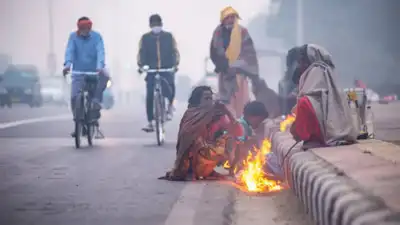
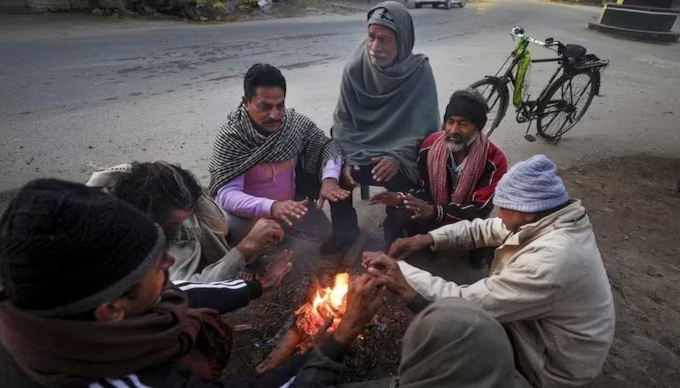
For Tier-2 towns, the early cold wave can strain local economies. For instance, street-vendors, morning commuters and informal workers lack winter-gear. Local governments may need to open emergency warming shelters or extend health-camp hours. Rural areas near smaller towns may see reduced yields in certain crops sensitive to cold, and poor households may face increased costs for heating and insulation. Socially, schools in outskirts may consider early morning schedule changes if fog or extreme cold hits.
How this cold event fits the larger pattern
Meteorologists point out that the early cold wave spells in North India suggest a shorter transition between monsoon withdrawal and winter onset. The dry continental air mass, reduced night-cloud cover and strong western disturbances are all contributing to faster cooling. Many experts consider this not just a seasonal variation but part of a pattern of changing weather dynamics in the Indo-Gangetic plains. For the IMD and local administrators, the focus is now on making small-town residents aware that this winter may arrive earlier and with sharper nights.
Takeaways:
- The IMD has formally issued a cold wave alert across Delhi-NCR, Haryana and UP, with Tier-2 towns particularly vulnerable.
- Night-time temperatures are likely to drop 2-5 °C below normal in the next 2-4 days, with minimums possibly dipping near or below 10 °C in plains.
- Tier-2 districts face greater risk because of weaker infrastructure for cold weather, fog disruption and under-prepared populations.
- Residents should cover up, anticipate fog-related transport delays and expect higher heating or winter-gear expenses in the coming days.
FAQs
Q: What defines a cold wave in the plains of India?
A: According to the IMD, cold wave conditions in plains occur when the minimum temperature falls to 10 °C or below, or when there is a departure of 4.5 °C or more below normal for the region.
Q: Why are Tier-2 towns more impacted by this alert?
A: Tier-2 towns often have less insulated housing, fewer health-resources, and less public awareness about sudden chill. Infrastructure to cope with cold (heaters, backup power, fog mitigation) is weaker compared with metros.
Q: What precautions should residents take during this cold wave?
A: Use layered clothing, avoid unnecessary early-morning or late-evening outdoor exposure, ensure older people and children are indoors or well covered, check on livestock and crops in rural-fringe areas.
Q: Could this early cold wave affect agriculture or local economy in smaller districts?
A: Yes. Night-time chilling can stress certain standing crops, fog can delay transport of perishable goods, heating costs may rise for households, and outdoor informal sector work can suffer in the early mornings.







Leave a comment