

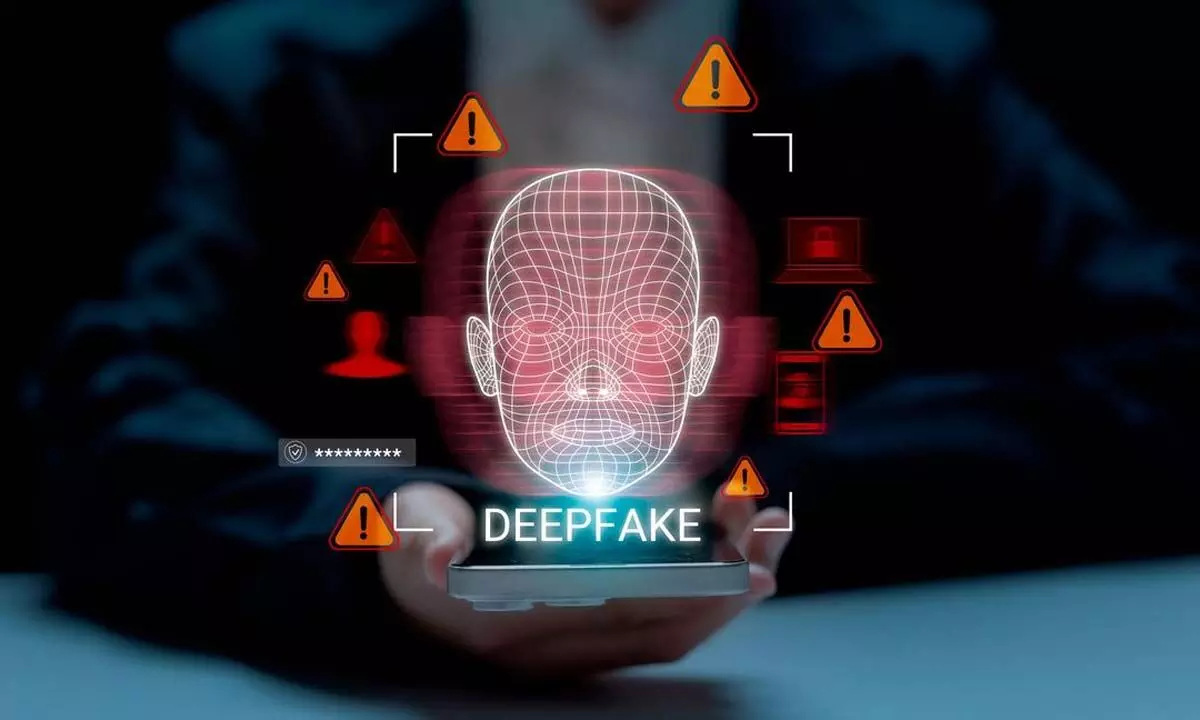
Deepfake regulations in India are tightening as authorities respond to rising concerns over misinformation, impersonation, and digital fraud. Creators, influencers, and social media platforms now face stricter compliance expectations around synthetic media, traceability, and content accountability.
Deepfake regulations in India have moved from advisory warnings to structured enforcement mechanisms. The growth of generative AI tools has made it easier to create realistic manipulated videos, audio clips, and images. While these tools have creative applications, misuse cases involving political misinformation, celebrity impersonation, and financial scams have triggered regulatory action. The current environment signals that platforms and content creators must implement stronger safeguards to remain compliant.
Legal Framework Governing Deepfake Content
India does not have a standalone deepfake law, but multiple existing statutes apply to synthetic media misuse. The Information Technology Act, along with updated intermediary guidelines, places responsibility on digital platforms to prevent the circulation of unlawful content. Harmful deepfakes may fall under provisions related to identity theft, cheating, defamation, obscenity, and misinformation.
Recent regulatory clarifications have emphasized faster takedown requirements for manipulated media that threatens public order or individual safety. Intermediaries are expected to act promptly upon receiving verified complaints. Failure to do so can attract penalties or loss of safe harbor protections.
The broader digital data protection framework also intersects with deepfake concerns. Unauthorized use of personal images or voice data to generate synthetic content may raise consent and privacy violations. This expands liability beyond simple content moderation into data governance practices.
Platform Accountability and Compliance Measures
Social media platforms operating in India are under pressure to enhance detection and response systems. Automated detection tools using machine learning are being deployed to identify manipulated audio visual content. Watermarking technologies and metadata tagging are also being explored to increase traceability.
Compliance expectations include clear reporting channels, grievance redressal officers, and transparent content policies. Platforms are required to cooperate with lawful government requests and remove content within specified timelines when legally mandated.
Transparency reports are becoming more detailed, with disclosure around content removal volumes and enforcement actions. For platforms, the operational challenge lies in balancing user expression with rapid moderation of harmful synthetic media.
Impact on Content Creators and Influencers
For creators, tightening deepfake regulations mean increased responsibility. Influencers and digital artists using AI generated content must ensure that they have rights or permissions for any likeness used. Unauthorized replication of public figures or private individuals can trigger legal consequences.
Creators engaging in parody or satire must also be cautious. Context, disclosure, and intent matter significantly. Clearly labeling AI generated content can reduce the risk of misleading audiences. Transparent disclaimers are emerging as best practice within the creator community.
Brands collaborating with influencers are also reassessing risk exposure. Contract clauses now frequently include provisions around compliance with digital content laws and platform policies. This reduces reputational and legal risk for advertisers.
Challenges in Enforcement and Detection
Detecting deepfakes is technically complex. As generative models improve, visual artifacts become harder to identify. Audio deepfakes that replicate voice patterns are particularly difficult to distinguish without advanced analysis.
Enforcement also faces scale challenges. India has one of the largest internet user bases globally, making real time monitoring resource intensive. Automated systems can flag suspicious content, but human review remains necessary for contextual evaluation.
Another difficulty lies in cross border content circulation. Manipulated media created outside India can spread rapidly across domestic platforms. International cooperation and alignment on digital safety standards will likely become increasingly important.
Balancing Innovation With Regulation
India’s tightening deepfake regulations aim to reduce harm without stifling innovation in artificial intelligence. Generative AI has legitimate uses in entertainment, education, accessibility, and marketing. Policymakers are attempting to create guardrails rather than impose blanket restrictions.
Startups developing AI tools are now integrating safety features such as watermarking, consent verification mechanisms, and restricted voice cloning functionalities. Responsible design is becoming a competitive differentiator.
Industry associations and technology bodies are also participating in drafting ethical AI guidelines. Self regulatory frameworks may complement formal regulation, especially in rapidly evolving technological contexts.
What Creators and Platforms Must Do Next
To adapt effectively, platforms must invest in advanced detection infrastructure and maintain robust grievance systems. Continuous policy updates aligned with evolving threats are essential. Employee training around synthetic media risks is also necessary.
Creators should maintain documentation of permissions, avoid replicating real individuals without consent, and clearly communicate when content is AI generated. Staying informed about regulatory updates is no longer optional.
Legal awareness within digital businesses is rising. Consulting compliance experts and implementing internal review processes reduces exposure. As enforcement becomes more structured, proactive compliance will be less costly than reactive defense.
Deepfake regulations in India represent a broader shift toward digital accountability. The ecosystem is moving from reactive moderation to structured governance. How effectively platforms and creators adapt will influence both public trust and long term growth of the digital economy.
Takeaways
• India is tightening oversight on deepfake and synthetic media content through existing IT and data laws
• Platforms must enhance detection, traceability, and grievance redressal mechanisms
• Creators need clear consent, disclosure, and compliance awareness when using AI tools
• Responsible AI design is becoming essential for long term innovation and trust
FAQs
Q1. Does India have a specific deepfake law
There is no standalone deepfake statute, but existing IT and criminal laws apply to misuse of synthetic media.
Q2. Can creators use AI generated likeness of public figures
Using a person’s likeness without consent can lead to legal issues, especially if it causes harm or misleads audiences.
Q3. What are platforms required to do under current rules
Platforms must remove unlawful content promptly, maintain grievance systems, and cooperate with lawful government orders.
Q4. How can users identify deepfake content
Signs may include unnatural facial movements or audio inconsistencies, but advanced deepfakes can be difficult to detect without platform verification tools.









Leave a comment