

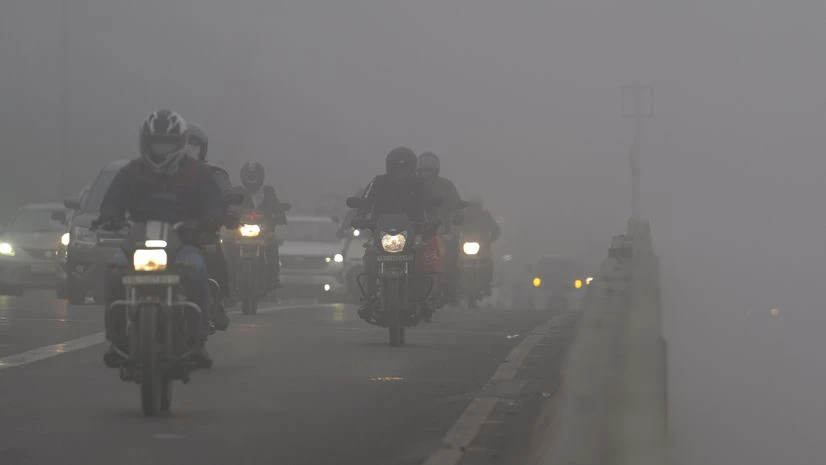
Dense fog across North India has become a recurring winter challenge, significantly affecting travel, safety and everyday routines in multiple states. The prolonged fog conditions are not limited to early mornings but often extend well into daytime hours, amplifying disruption across road, rail and air transport networks.
Dense fog across North India has emerged as a time sensitive weather event, driven by seasonal atmospheric conditions that reduce visibility to dangerously low levels. This year, the frequency and intensity of fog episodes have increased, creating ripple effects across transport systems, local economies and public safety.
North Indian states including Delhi, Punjab, Haryana, Uttar Pradesh, Rajasthan and parts of Bihar experience dense fog during winter due to high moisture levels, calm winds and lower temperatures. When warm air traps colder air near the surface, pollutants and moisture accumulate, forming thick fog that severely limits visibility.
How dense fog disrupts air travel operations
Air travel is among the most affected sectors during dense fog conditions. Low visibility makes it difficult for pilots to land and take off safely, especially at airports lacking advanced landing systems. As a result, flight delays, diversions and cancellations become common during prolonged fog spells.
Passengers face long waiting times, missed connections and uncertainty, particularly during early morning hours when fog is densest. Regional airports are often more vulnerable than metro hubs due to limited fog handling infrastructure. For travelers, this translates into extended airport stays and unpredictable schedules.
Airlines attempt to mitigate disruption by rescheduling flights, but fog intensity can change rapidly, making accurate forecasting difficult. The impact is felt not only by passengers but also by cargo operations, affecting time sensitive shipments.
Rail and road transport hit by poor visibility
Dense fog across North India causes widespread disruption to rail services. Trains operate at reduced speeds to maintain safety, leading to cascading delays across long distance routes. Visibility below safe thresholds forces railway operators to halt or stagger train movement, affecting thousands of passengers daily.
On roads, fog significantly increases accident risk. Highways, expressways and rural roads see a rise in collisions due to low visibility, speeding and sudden braking. Pile ups involving multiple vehicles are reported when drivers fail to maintain safe distances.
Commercial transport such as buses and trucks experience longer travel times, impacting supply chains and delivery schedules. Local commuters face delays reaching workplaces and schools, leading to productivity losses and schedule disruptions.
Safety challenges for commuters and residents
Safety becomes a primary concern during dense fog conditions. Reduced visibility makes pedestrians, cyclists and two wheeler riders particularly vulnerable. Traffic signals, signboards and lane markings are harder to see, increasing the risk of wrong lane driving and sudden stops.
Cold weather combined with fog also affects driver alertness. Fatigue and reduced reaction time contribute to accidents during early morning and late night hours. Emergency response times may increase due to slower vehicle movement and navigation difficulties.
Local administrations often issue advisories urging people to avoid unnecessary travel during peak fog hours. However, many workers in essential services and informal sectors have limited flexibility, exposing them to higher risk.
Impact on daily life and local economies
Dense fog alters daily routines across North India. Schools frequently delay opening hours or shift to online classes during severe fog episodes. Office attendance drops as employees struggle with delayed transport and unsafe commuting conditions.
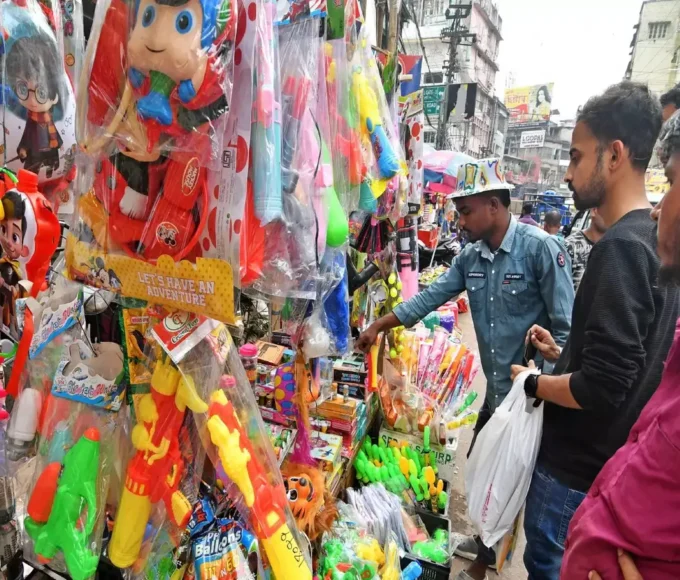
Local markets and small businesses see reduced footfall, especially during morning hours. Street vendors and roadside shops experience income loss as customers avoid venturing out in low visibility conditions. Tourism related activities slow down, particularly in heritage cities and pilgrimage centers.
Healthcare facilities observe an increase in accident related admissions during heavy fog periods. Emergency services must operate under challenging conditions, balancing speed with safety.
Practical safety tips during dense fog
Adopting precautionary measures can significantly reduce risk during dense fog. Drivers should use fog lights appropriately and avoid high beam headlights, which reflect light back and reduce visibility further. Maintaining low speed and increased following distance is essential.
Pedestrians and cyclists should wear reflective clothing to improve visibility. Using public transport where possible can reduce overall road congestion and accident risk. Travelers are advised to check weather updates and transport status before starting journeys.
For rail and air travelers, planning buffer time and staying informed through official updates helps manage delays. Avoiding early morning departures during peak fog days can reduce inconvenience.
Why fog episodes are becoming more frequent
Meteorologists point to a combination of weather patterns and rising pollution levels as contributing factors to frequent dense fog. Higher particulate matter in the air provides a surface for moisture condensation, thickening fog layers.
Urban expansion, increased vehicle emissions and reduced green cover worsen local microclimates. Climate variability has also extended fog seasons, making episodes longer and more intense than in previous years.
This pattern suggests that dense fog across North India is not just a seasonal inconvenience but a recurring winter challenge requiring long term planning and adaptive infrastructure.
Takeaways
- Dense fog significantly disrupts air, rail and road travel across North India
- Poor visibility increases accident risk and delays daily routines
- Local economies and public services face productivity losses during prolonged fog spells
- Safety precautions and informed travel planning can reduce individual risk
FAQs
Why does dense fog occur mainly during winter in North India?
Winter conditions create temperature inversion and calm winds, trapping moisture and pollutants near the ground, leading to dense fog formation.
Which transport mode is most affected by fog?
All modes are affected, but air and rail transport experience the most delays due to strict visibility safety thresholds.
Is it safe to drive during dense fog?
Driving during dense fog carries high risk. If unavoidable, drivers should slow down, use fog lights and maintain safe distances.
Can fog conditions improve quickly during the day?
Fog may lift as temperatures rise, but persistent pollution and low wind can cause it to linger throughout the day.










Leave a comment