

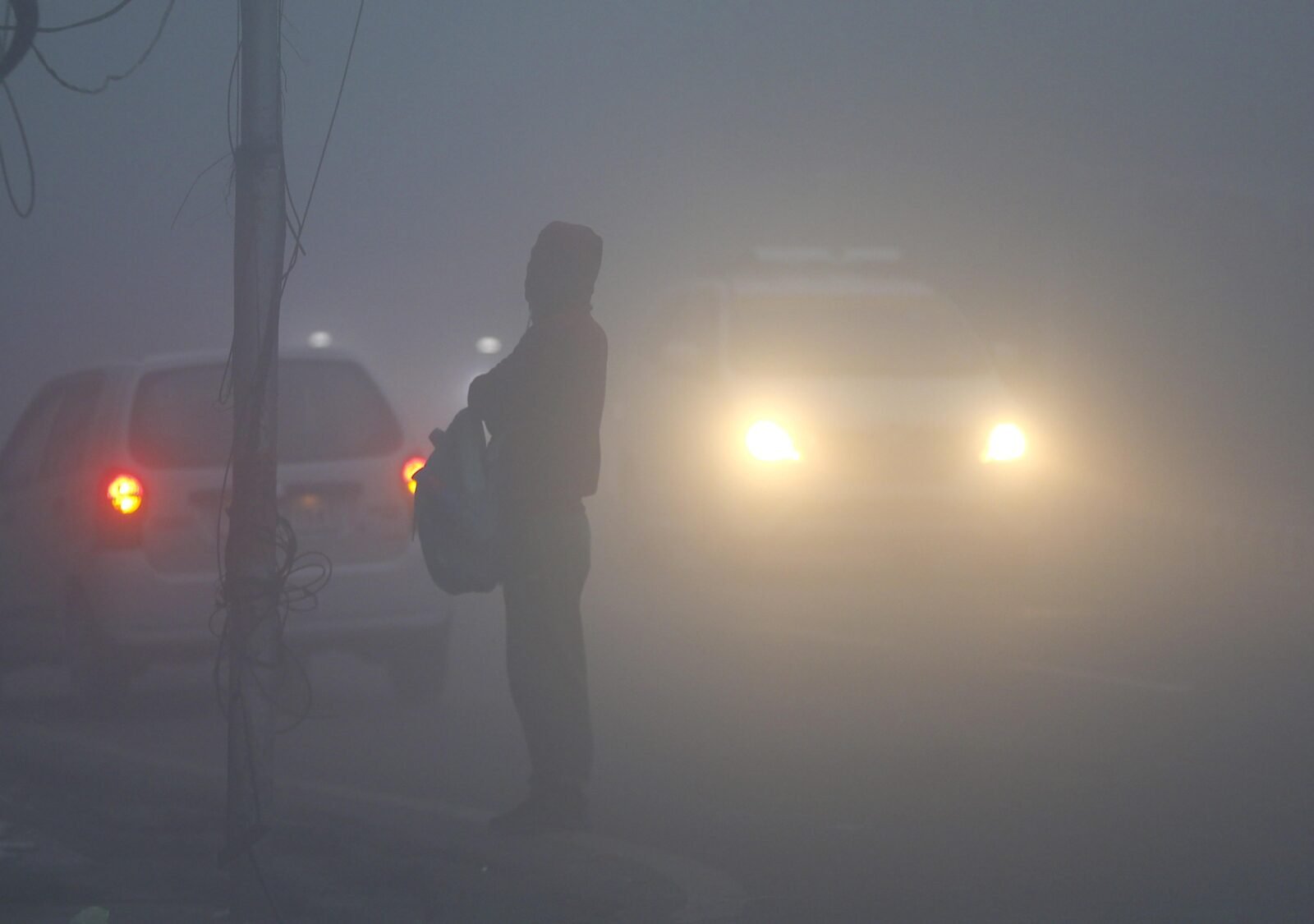
Dense fog and rain alerts issued by the IMD have begun affecting daily travel across northern Tier-2 cities, with reduced visibility, delayed transport services, and heightened road safety concerns becoming visible across Uttar Pradesh, Bihar, Rajasthan, Haryana, and parts of Madhya Pradesh.
The current weather pattern, driven by western disturbances and seasonal temperature drops, has led to early morning fog and intermittent rainfall. These conditions are particularly disruptive in Tier-2 cities where transport infrastructure is heavily dependent on road and rail networks with limited redundancy.
IMD forecast and weather pattern behind the alerts
Dense fog and rain alerts were issued after the IMD observed a sharp fall in night temperatures combined with rising moisture levels across the Indo-Gangetic plains. This combination has resulted in persistent fog during early morning and late night hours, especially in low-lying and river-adjacent regions.
Rainfall in pockets of northern India has further reduced surface temperatures, increasing condensation and prolonging fog conditions beyond sunrise. Cities such as Lucknow, Kanpur, Prayagraj, Patna, Gwalior, Alwar, and Kota have recorded visibility levels dropping well below safe driving thresholds.
According to forecast models, these conditions are expected to continue intermittently over the next few days, particularly during early morning travel hours. The IMD has advised caution for road users and transport operators, highlighting the increased risk of accidents under low visibility.
Impact on road travel in Tier-2 urban corridors
Road travel has been the most affected by dense fog and rain alerts in northern Tier-2 cities. Highways connecting district headquarters to state capitals have seen slower traffic movement, frequent pile-ups, and increased police interventions.
Bus services operated by state transport corporations have reported delays, especially on intercity routes where fog reduces speed compliance. Private vehicles, including two-wheelers and small commercial carriers, face higher risk due to inadequate fog lighting and limited driver awareness.
In many Tier-2 cities, arterial roads lack advanced fog sensors, reflective lane markers, and variable speed signage. This infrastructure gap makes drivers rely on personal judgment rather than automated warnings, increasing the likelihood of sudden braking and collisions.
Local administrations have responded by deploying traffic police at key junctions, issuing advisories, and restricting heavy vehicle movement during peak fog hours in select areas.
Rail and air travel disruptions in regional hubs
Dense fog and rain alerts have also disrupted rail operations in northern India’s Tier-2 railway hubs. Trains originating or passing through cities such as Kanpur, Prayagraj, Jhansi, and Gaya have experienced delays due to precautionary speed reductions.
Railway authorities typically reduce train speeds during low visibility to avoid signal overshoots and track-related incidents. While safety improves, delays often cascade across multiple routes, affecting long-distance and passenger trains alike.
Air travel from regional airports has faced selective disruptions. While most Tier-2 airports are equipped with basic instrument landing systems, dense fog still leads to rescheduling of early morning flights. Passengers traveling for work or medical reasons have reported extended waiting times and last-minute cancellations.
The combined effect on road, rail, and air travel has placed pressure on commuters, logistics operators, and emergency services.
Economic and daily life impact in smaller cities
Beyond transport, dense fog and rain alerts have impacted daily routines and local economies in Tier-2 cities. Wholesale markets, construction activity, and early morning retail operations have slowed due to delayed worker arrivals and reduced footfall.
Schools in some districts have adjusted start times to accommodate visibility concerns, particularly for students traveling from surrounding rural areas. Hospitals and emergency services have reported longer response times for ambulance movement during foggy hours.
Small businesses dependent on morning deliveries, including dairy supply chains and vegetable markets, have faced logistical delays. While the impact may seem temporary, repeated weather disruptions can strain already tight operational margins in non-metro economies.
Safety advisories and administrative preparedness
In response to dense fog and rain alerts, district administrations have issued safety advisories urging reduced speed, use of fog lights, and avoidance of unnecessary early morning travel. Traffic police have increased patrols on highways and accident-prone stretches.
Authorities have also coordinated with transport departments to regulate bus timings and enforce safety norms. In some districts, heavy commercial vehicles have been temporarily restricted during peak fog periods to reduce accident risk.
Despite these measures, experts point out that long-term preparedness remains limited. Tier-2 cities often lack advanced traffic management systems, making them more vulnerable during adverse weather compared to metros.
What travelers should expect in the coming days
Forecast trends indicate that dense fog and rain alerts may continue intermittently as winter conditions deepen across northern India. Early morning travel is expected to remain challenging, particularly between midnight and late morning hours.
Travelers are advised to plan journeys with buffer time, monitor local advisories, and avoid high-speed driving in fog-prone areas. Logistics operators and public transport users may experience ongoing delays until weather conditions stabilize.
For Tier-2 cities, the current spell serves as a reminder of the need for improved weather-resilient infrastructure, better traffic technology, and stronger public awareness around seasonal travel risks.
Takeaways
- Dense fog and rain alerts are disrupting road, rail, and air travel across northern Tier-2 cities.
- Low visibility has increased accident risk and caused transport delays.
- Administrative advisories are in place, but infrastructure gaps remain.
- Travel disruptions may continue during early winter weather conditions.
FAQs
Why is dense fog affecting northern Tier-2 cities
Low temperatures combined with high moisture levels are causing prolonged fog formation.
Which modes of transport are most impacted
Road travel is most affected, followed by rail delays and selective flight disruptions.
How long will the fog conditions last
Intermittent fog is expected over the next few days, especially during early mornings.
What precautions should travelers take
Reduce speed, use fog lights, follow advisories, and allow extra travel time.








Leave a comment