

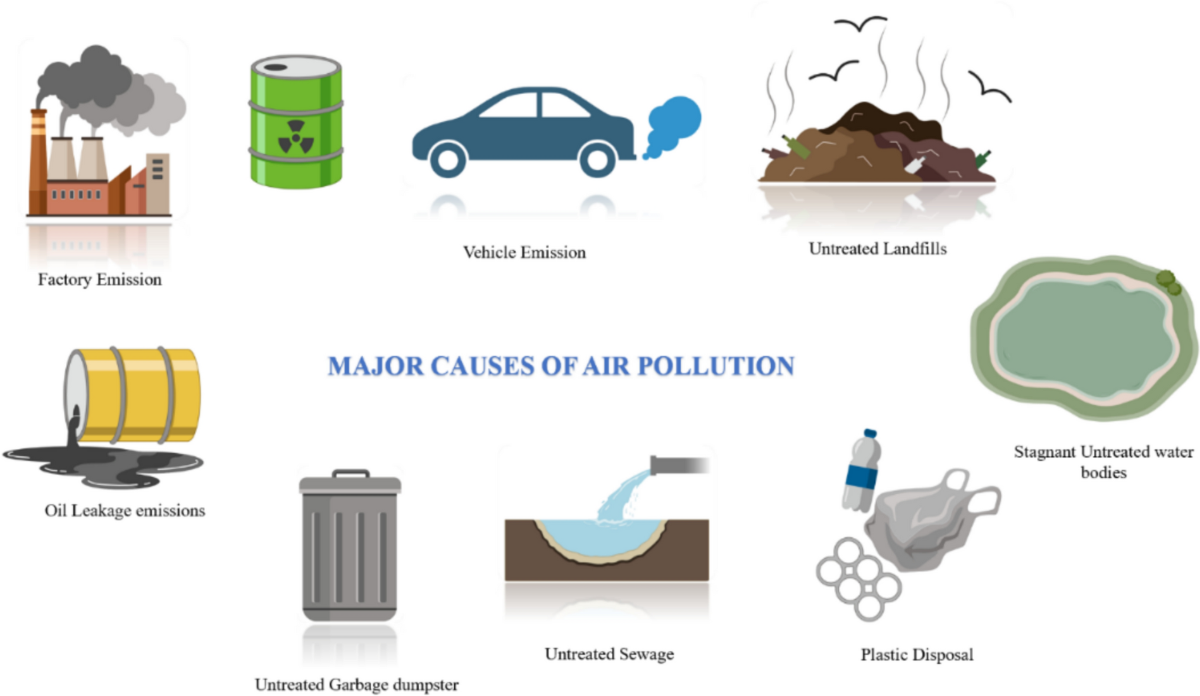
Fog, haze and health alerts dominate early January air quality trends as Delhi, Mumbai and several other Indian cities enter a season of persistent pollution. The combination of weather conditions and emission sources has pushed air quality into unhealthy zones, raising public health concerns.
Short summary paragraph
Early January air quality trends show sustained pollution levels across Delhi, Mumbai and multiple urban centres. Dense fog, temperature inversion and local emissions are worsening air quality, prompting health advisories and renewed focus on seasonal pollution management strategies.
Why early January worsens air quality levels
Early January air quality trends are shaped largely by meteorological conditions rather than sudden emission spikes. Lower temperatures, high humidity and calm wind speeds trap pollutants close to the ground. Temperature inversion prevents vertical air movement, allowing particulate matter to accumulate over cities.
In northern India, dense fog further compounds the problem by reducing dispersion. Emissions from vehicles, residential heating, construction activity and waste burning remain constant, but the atmosphere becomes less capable of diluting them.
In western coastal cities like Mumbai, winter brings relatively stable weather with limited wind circulation in some pockets. While sea breeze usually helps disperse pollution, early morning and late night hours often see stagnation, leading to haze formation.
Delhi air quality and health advisories
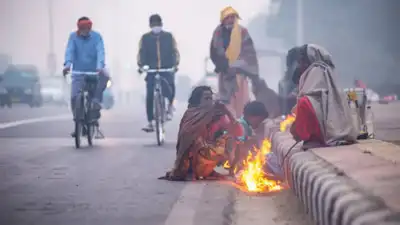
Delhi continues to record some of the worst early January air quality readings. Fine particulate matter levels remain elevated, keeping air quality in poor to very poor categories on multiple days. Fog and haze reduce visibility while increasing respiratory stress.
Health advisories recommend limiting outdoor activity during early mornings and evenings when pollution peaks. Schools and offices are advised to monitor conditions closely, especially for children, elderly people and those with asthma or heart conditions.
Despite seasonal measures such as dust control at construction sites and restrictions on certain activities, the structural nature of Delhi’s pollution problem means winter episodes remain severe. Traffic emissions and localised burning continue to add to the burden.
Mumbai’s winter haze and changing pollution pattern
Mumbai’s air quality profile differs from Delhi but shows concerning early January trends. The city experiences moderate to poor air quality on several days, particularly in eastern suburbs and industrial zones.
Winter haze in Mumbai is linked to vehicular emissions, construction dust, port related activity and limited dispersion during calm weather. Unlike Delhi, crop residue burning does not influence Mumbai’s air, but rapid urbanisation has increased baseline pollution levels.
Health experts note that even moderate pollution can affect sensitive populations. Residents report throat irritation, eye discomfort and breathing difficulty during prolonged haze spells. The city’s air quality challenges highlight that pollution is no longer a seasonal issue limited to northern India.
Other cities facing fog and haze conditions
Beyond Delhi and Mumbai, several Tier 2 and Tier 3 cities are also experiencing degraded air quality. Cities in Uttar Pradesh, Haryana, Rajasthan and Bihar face dense fog and elevated particulate matter levels during early January.
In central and western India, urban centres with growing vehicle density and construction activity are reporting haze episodes. Smaller cities often lack real time monitoring infrastructure, making public awareness and response slower.
Hill towns are not immune either. Increased tourist traffic and local heating practices during winter contribute to localized pollution. The spread of air quality concerns beyond metros underscores the national scale of the issue.
Health impact of prolonged winter pollution
Sustained exposure to poor air quality has immediate and long term health implications. Short term effects include coughing, eye irritation, headaches and aggravated respiratory symptoms. People with existing conditions face higher risks during winter pollution episodes.
Long term exposure to fine particulate matter is linked to chronic respiratory diseases, cardiovascular problems and reduced lung function. Health professionals advise wearing masks in high pollution conditions and using indoor air filtration where possible.
Public health systems often see increased outpatient visits during January as pollution related symptoms rise. Awareness and early precaution are critical to reducing health stress during this period.
Role of weather and short term relief factors
Weather plays a decisive role in early January air quality trends. Rainfall, strong winds or changes in temperature patterns can bring temporary relief by dispersing pollutants. However, such events are unpredictable and often short lived.
As January progresses, gradual warming and increased solar radiation can improve dispersion conditions. Until then, pollution episodes may persist in the absence of strong weather intervention.
Authorities monitor forecasts closely to issue advisories and adjust control measures. However, weather dependent relief highlights the limits of reactive pollution management.
What citizens and authorities can realistically do
In the short term, individual behaviour adjustments help reduce exposure rather than pollution itself. Avoiding peak pollution hours, reducing outdoor exertion and following health advisories are practical steps.
Authorities focus on enforcement of existing measures such as controlling dust, managing traffic flow and preventing open burning. While these steps reduce incremental pollution, they cannot fully offset adverse weather conditions.
The early January air quality situation reinforces the need for long term solutions such as cleaner transport, urban planning reforms and consistent emission reduction. Seasonal alerts serve as reminders rather than permanent fixes.
Takeaways
- Early January air quality trends are driven mainly by weather conditions.
- Delhi continues to face severe pollution while Mumbai shows rising winter haze.
- Tier 2 cities are increasingly affected by fog and poor air quality.
- Health precautions are essential during prolonged winter pollution episodes.
FAQs
Why does air pollution increase in January?
Cold weather, low wind speed and temperature inversion trap pollutants near the ground, worsening air quality.
Is Mumbai’s air quality as bad as Delhi’s?
Mumbai generally has lower pollution levels, but winter haze and local emissions still pose health risks.
Who should be most cautious during pollution episodes?
Children, elderly people, pregnant women and those with respiratory or heart conditions should take extra care.
Do masks and air purifiers help?
High quality masks and indoor air purifiers can reduce exposure but do not eliminate pollution.








Leave a comment