

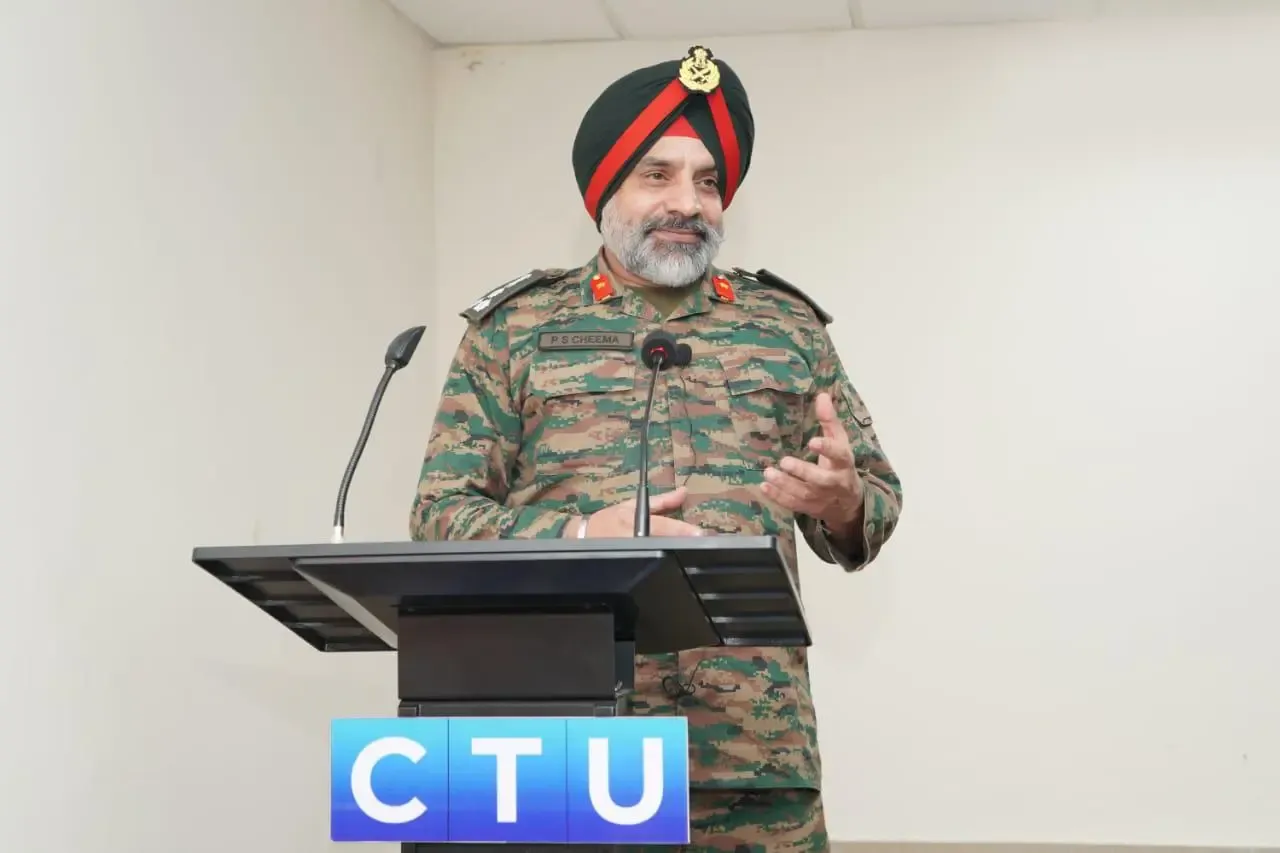
An ex Army Brigadier’s Kashmir visit has gone viral across social media, triggering sharp debate on perception versus reality in post conflict regions. The images and commentary from the visit have influenced public opinion, raised questions about narrative framing, and highlighted how symbolism can shape understanding of societal recovery.
Why the Ex Army Brigadier’s Kashmir Visit Went Viral
The ex Army Brigadier’s Kashmir visit gained traction because it combined authority, symbolism, and timing. A retired senior military officer walking freely, interacting with locals, and sharing personal observations resonated strongly with online audiences. For many viewers outside the region, such visuals serve as shorthand for stability and normalcy.
The viral spread was accelerated by short video clips and captions suggesting calm, safety, and everyday life returning to the Valley. These posts were widely shared by users eager to counter long standing perceptions of conflict and instability.
However, virality does not automatically reflect completeness. Social media rewards clarity and optimism, often compressing complex realities into easily digestible narratives. This creates a gap between what is shown and what remains unseen.
Perception Versus Reality in Post Conflict Regions
Post conflict regions like Kashmir exist in layered realities. Daily life may appear peaceful on the surface, yet underlying tensions, administrative controls, and social anxieties can coexist with normal routines. The ex Army Brigadier’s Kashmir visit captured one layer, but not necessarily the full picture.
Perception is shaped by selective exposure. A short visit, especially one guided by security protocols, may not reflect the lived experience of all communities. Reality includes factors like employment uncertainty, political representation, mobility restrictions, and psychological fatigue from prolonged instability.
This does not negate visible improvements, but it cautions against drawing broad conclusions from limited snapshots. Understanding post conflict societies requires sustained engagement rather than episodic observation.
Societal Impact of Viral Military Endorsements
When a former senior military figure comments on a sensitive region, the societal impact is amplified. The ex Army Brigadier’s Kashmir visit was interpreted by many as an endorsement of stability and policy outcomes. Supporters viewed it as validation that conditions have improved significantly.
For others, especially residents and observers familiar with ground level challenges, such endorsements can feel dismissive of unresolved issues. This divergence in interpretation highlights how authority figures influence discourse, intentionally or otherwise.
In post conflict contexts, messaging from respected individuals carries weight. It can reassure investors, tourists, and the wider public, but it can also silence nuanced discussion if treated as definitive proof.
The Role of Social Media in Shaping Conflict Narratives
Social media platforms play a central role in amplifying perception. The ex Army Brigadier’s Kashmir visit spread rapidly because it aligned with narratives that many users wanted to believe or promote. Algorithms favor emotionally reassuring content, particularly when it challenges earlier negative frames.
However, social media rarely provides context. Viewers may not see economic disparities, political disengagement, or regional variation. Rural experiences, youth frustration, and minority voices often remain outside viral frames.
This creates a simplified understanding of post conflict recovery, where visible calm is equated with comprehensive resolution. In reality, recovery is uneven and ongoing.
What This Means for Kashmir’s Social Discourse
The debate sparked by the ex Army Brigadier’s Kashmir visit reveals a deeper tension between national perception and local experience. While external validation can boost morale and confidence, it must coexist with honest assessment.
For Kashmiri society, viral narratives can feel externally imposed. They risk overshadowing local voices who articulate progress alongside persistent challenges. A balanced discourse allows room for both acknowledgment of improvement and recognition of remaining concerns.
Policy makers, commentators, and influencers need to be cautious. Over simplified narratives may win attention but fail to support long term reconciliation and trust building.
Moving Toward a More Nuanced Understanding
The societal impact of the ex Army Brigadier’s Kashmir visit lies less in the visit itself and more in how it was interpreted. It underscores the need for nuanced storytelling around post conflict regions.
Progress should be measured through data, dialogue, and diverse perspectives rather than symbolic moments alone. Encouraging multiple viewpoints strengthens public understanding and reduces polarisation.
Kashmir’s future will be shaped by sustained economic opportunity, political engagement, and social healing. Viral moments may influence perception, but lasting change depends on deeper structural factors.
Takeaways
The ex Army Brigadier’s Kashmir visit shaped public perception rapidly
Viral content often simplifies complex post conflict realities
Authority figures influence narratives, intentionally or not
Balanced discourse is essential for genuine societal understanding
FAQs
Why did the visit receive so much attention online
Because it combined military credibility, symbolic imagery, and optimistic messaging.
Does the visit prove that all issues in Kashmir are resolved
No, it reflects a limited perspective and does not capture all social and political dimensions.
Can viral narratives impact policy or public behaviour
Yes, they can influence opinion, tourism interest, and broader discourse.
How should post conflict regions be assessed responsibly
Through long term observation, multiple viewpoints, and verified social and economic indicators.








Leave a comment