

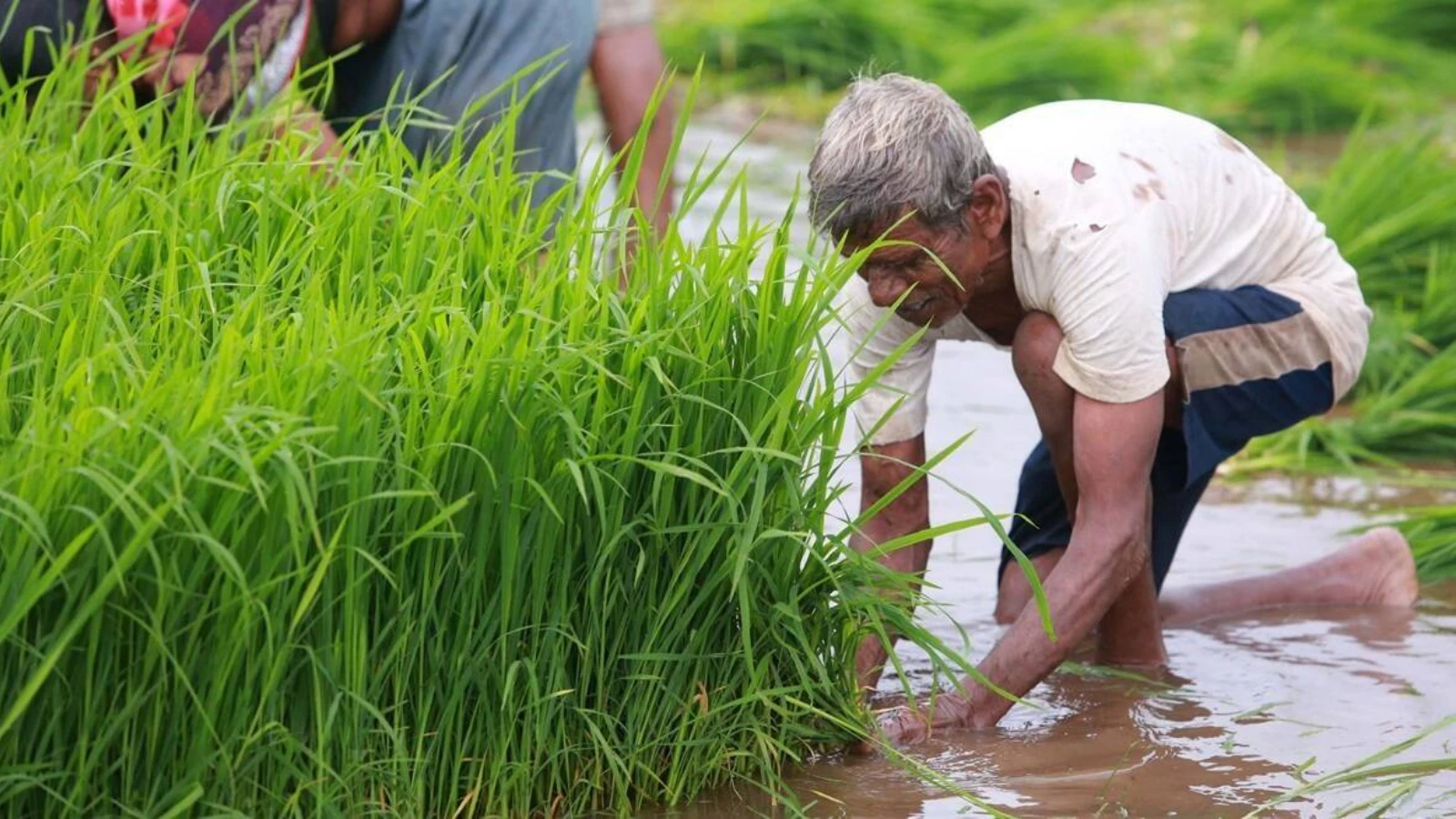
The main keyword “farm insurance expansion in India” is central to this development, which is a time sensitive news update affecting farmers in flood prone districts of Assam and Odisha. The government has added wild animal attacks and paddy inundation to the list of events eligible for crop insurance claims, offering relief to regions facing recurring climate and wildlife pressures.
The addition of these two specific risks acknowledges ground realities faced by farmers in eastern and northeastern India. Frequent floods, sudden wildlife movement and unstable monsoon patterns have pushed small landholders into repeated losses. The latest decision aims to widen protection and reduce out of pocket vulnerability in areas where marginal farmers dominate.
Why the scheme expansion matters for Assam and Odisha
Flood prone districts in Assam such as Dhemaji, Lakhimpur and Barpeta regularly witness crop loss due to river overflow and prolonged waterlogging. Paddy is the dominant crop and is often submerged at the seedling or early vegetative stage. Odisha’s coastal and delta belts face similar problems when cyclone linked rains inundate fields for days. With paddy inundation now covered, farmers can file insurance claims for damage caused by standing water, not just flood destruction. This bridges a major gap because many losses earlier went unreported or were classified outside existing norms.
The inclusion of wild animal attacks is also significant. Elephant movement across districts in Assam and northern Odisha has increased because of habitat fragmentation and erratic weather patterns. Crop raiding incidents have become more common, destroying fields in a single night. Earlier compensation mechanisms were slow and often required wildlife department verification, delaying relief. By placing wild animal damage under farm insurance, the claim settlement process becomes more structured and predictable.
How the new coverage triggers work
The revised guidelines define paddy inundation as loss caused by standing water beyond a specific time threshold, calibrated to crop stage. This helps insurers assess damage more objectively. Satellite data, drone mapping and field verification will support claim processing to reduce delays in high exposure seasons.
For wild animal attacks, the trigger involves verified crop destruction caused by species such as elephants, wild boars or deer. The insurer and local agricultural officers must document patterns of damage. This reduces discretionary gaps and aligns the coverage with actual field conditions. Smaller farmers who previously avoided filing claims due to procedural hurdles may now participate because the process is simplified.
Administrative readiness in vulnerable districts
District administrations in Assam and Odisha will need to update their assessment protocols. Flood prone blocks already maintain disaster related documentation, but paddy inundation calls for more granular tracking. This includes identifying waterlogged pockets, updating sowing timelines and integrating real time weather alerts. Block agricultural extension officers will play a crucial role in verifying losses quickly after water recedes.
For wild animal attacks, coordination between forest and agriculture departments becomes essential. Joint rapid assessment teams may be formed to record crop destruction within a fixed window. This avoids disputes and ensures farmers receive payouts without prolonged scrutiny. The success of the updated scheme will depend on quick data collection and transparent claim handling.
Impact on small and marginal farmers
Small farmers in Assam and Odisha often cultivate fragmented plots in low lying areas. They typically rely on a single paddy season and have limited financial cushioning. Climate related shocks push many into debt cycles. The expanded insurance coverage creates a buffer that can reduce distress borrowing. It also incentivises continued participation in formal agricultural schemes because farmers see direct benefits during crisis years.
Wildlife related damage tends to disproportionately affect farmers in forest fringe villages. These are usually marginal households with fewer than two hectares of land. Compensation delays have historically hurt them the most. Insurance coverage provides a structured alternative, improving resilience against recurring wildlife pressure.
Challenges that remain
Despite the expansion, implementation challenges persist. Claim settlement timelines must improve because delayed payouts limit the scheme’s effectiveness. Awareness campaigns are necessary to ensure farmers understand the new risks covered. In remote villages, insurance enrollment is often low due to paperwork concerns. Digital grievance portals need strengthening so small farmers can track claims without visiting block offices.
Insurers will need to recalibrate premiums based on district level risk profiles. High exposure zones may require additional subsidies to keep premiums affordable. States must ensure that data sharing between agriculture, forest and revenue departments becomes seamless. Without this integration, verification delays could still slow down settlements.
The road ahead for climate resilience
The expansion reflects a broader shift in agricultural risk management, where climate variability and wildlife pressures are treated as structural issues rather than exceptional events. Assam and Odisha are among India’s most climate sensitive states. Multi hazard insurance protection is essential for long term agricultural stability. As technology improves, risk mapping can become more precise, enabling even more tailored coverage for region specific threats.
Takeaways
• Expanded farm insurance now covers wild animal attacks and paddy inundation.
• Assam and Odisha stand to benefit due to recurring floods and wildlife pressures.
• Verification processes will rely more on satellite data, drones and joint assessments.
• Effective implementation requires quicker claim settlement and strong inter department coordination.
FAQs
Q1: Which new risks are included in the revised farm insurance coverage
Wild animal attacks and paddy inundation have been added to the list of risks that trigger insurance claims.
Q2: Why is paddy inundation coverage important for Assam and Odisha
These states experience frequent flooding and waterlogging during the monsoon, which destroys paddy fields at early stages, causing major income loss for farmers.
Q3: How will claims for wild animal attacks be verified
Local agriculture and forest officials will jointly document damage, enabling insurers to process payouts more efficiently.
Q4: Will premiums increase because of expanded coverage
Premium adjustments may occur based on district level risk exposure, but subsidy support is likely to keep costs manageable for small farmers.











Leave a comment