

The festival economy during Holi brings a noticeable surge in spending across Tier-2 cities in India. Local retailers, sweet shops, clothing stores, and event organizers experience strong demand as consumers prepare for celebrations, creating seasonal economic opportunities for small businesses.
Festival economy activity during Holi significantly boosts local businesses in Tier-2 cities. As families prepare for celebrations, spending increases across several sectors including food, clothing, decorations, and gifting. These purchases create a short but intense period of economic activity that benefits small retailers, local vendors, and service providers.
Holi celebrations traditionally involve buying colors, sweets, festive clothing, and household items. In recent years, the festival economy has expanded further with the addition of event management services, travel bookings, and online retail promotions.
For many local businesses in smaller cities, Holi represents one of the most important sales periods of the year.
Retail Markets Experience Seasonal Demand Spike
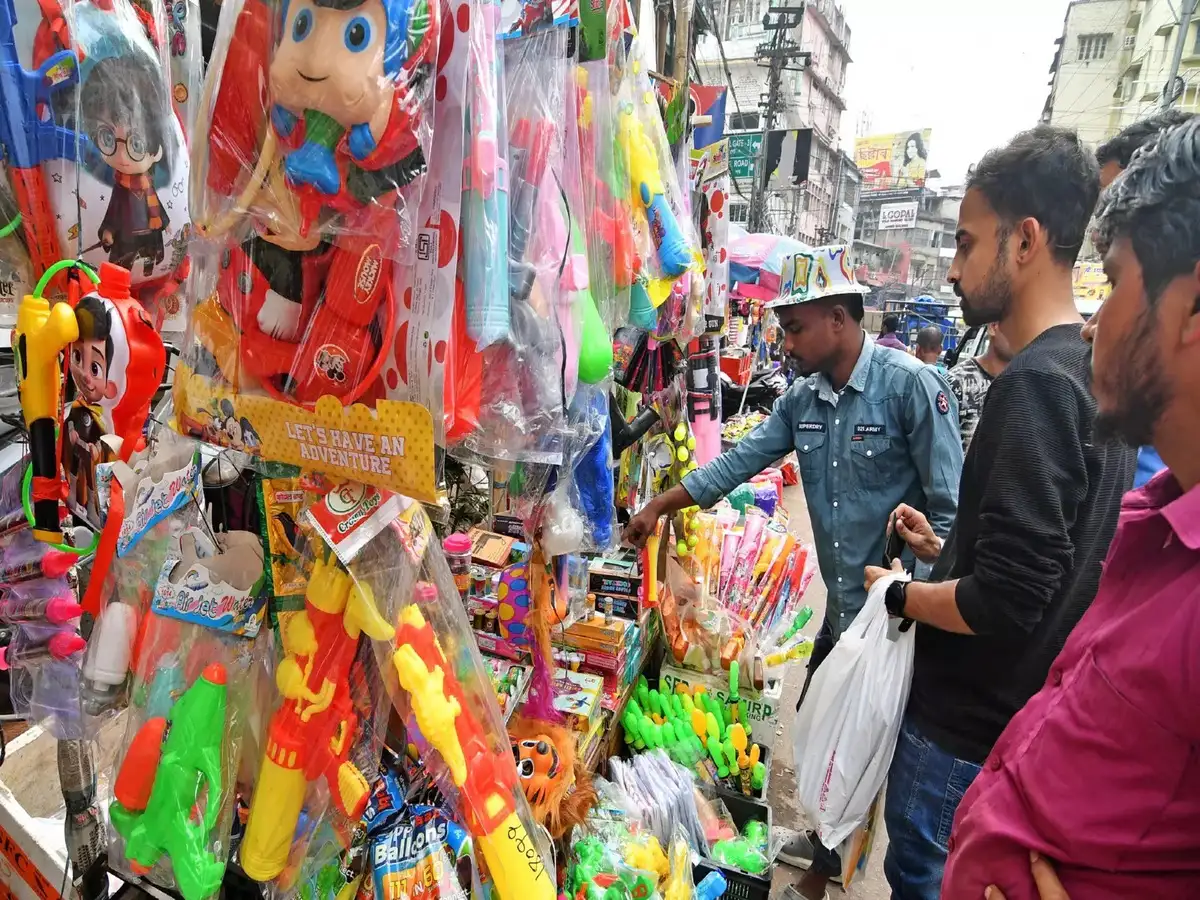
Retail markets in Tier-2 cities witness a strong surge in customer activity during Holi preparations. Local markets selling colors, water guns, decorative items, and festival accessories see a rapid increase in foot traffic during the days leading up to the festival.
Clothing retailers also benefit significantly. Many families buy new outfits for Holi gatherings and social events. Stores often introduce seasonal collections designed for festive occasions, including comfortable cotton clothing suitable for color celebrations.
Grocery stores and supermarkets also experience higher demand as households purchase ingredients for traditional sweets and festive meals. Products such as dry fruits, sugar, cooking oil, and packaged food items often see noticeable sales growth.
This combination of retail demand creates a multiplier effect for local businesses. When consumers visit markets for festival purchases, they often spend on multiple items, increasing overall economic activity in the area.
Sweet Shops and Food Vendors See Major Sales Growth
Sweet shops and food vendors play a central role in the Holi festival economy. Traditional sweets such as gujiya, laddoos, and malpua are widely associated with Holi celebrations, leading to increased production in local sweet shops.
In Tier-2 cities, family owned confectionery businesses often begin preparations several days before the festival. Large quantities of sweets are produced to meet rising demand from households, corporate gifting orders, and event organizers.
Street food vendors and snack shops also benefit from increased footfall in local markets. People visiting markets for festival shopping often buy snacks and refreshments while exploring crowded shopping areas.
Restaurants sometimes introduce special Holi menus or festive meal offers to attract customers during the celebration period. These seasonal promotions help local food businesses increase revenue during the festive season.
Overall, food related businesses often experience one of their busiest periods during Holi.
Event Services and Entertainment Businesses Growing
The festival economy has expanded beyond traditional retail into event services and entertainment. Many young consumers in Tier-2 cities now participate in organized Holi parties, music events, and community celebrations.
Event management companies organize Holi themed gatherings featuring music, dance floors, food stalls, and safe color zones. These events attract college students, young professionals, and families looking for structured celebrations.
Local DJs, photographers, decorators, and sound system providers also benefit from these gatherings. Event organizers often hire multiple service providers, creating temporary employment opportunities during the festival season.
Hotels, resorts, and clubs sometimes host Holi events as part of seasonal tourism promotions. These celebrations attract visitors from nearby towns and increase hospitality sector revenue.
The growth of organized celebrations has added a new dimension to the traditional festival economy.
Online Shopping and Digital Payments Expanding Reach
Digital commerce is also playing an increasing role in Holi related spending. Many consumers in Tier-2 cities now purchase festival products through online platforms, including colors, gift boxes, clothing, and party supplies.
E commerce platforms often launch festive discounts and promotional campaigns to attract buyers. Fast delivery services enable customers to receive festival products quickly, even in smaller cities.
Digital payment methods such as UPI have made transactions easier for both consumers and businesses. Small retailers now accept mobile payments, allowing faster purchases during busy shopping periods.
Social media marketing has also helped local businesses promote Holi offers. Many small retailers advertise festive discounts through messaging apps and community groups, reaching customers directly.
This combination of physical retail and digital commerce is strengthening the overall festival economy in Tier-2 cities.
Long Term Importance of Festivals for Local Economies
Festivals continue to play a crucial role in supporting local economies across India. Seasonal celebrations such as Holi create short term demand spikes that help small businesses increase revenue and manage cash flow.
For many retailers, the profits earned during festival seasons contribute significantly to annual earnings. Successful sales during these periods allow businesses to invest in inventory, marketing, and infrastructure improvements.
Local artisans and small scale manufacturers also benefit indirectly. Producers of sweets, decorative items, and festival products receive increased orders from retailers during festive seasons.
In Tier-2 cities where large corporate retail chains are less dominant, local markets remain central to the festival economy.
Holi celebrations therefore contribute not only to cultural traditions but also to the financial health of thousands of small businesses across the country.
Takeaways
• Holi shopping surges significantly boost the festival economy in Tier-2 cities.
• Retail markets, clothing stores, and grocery shops experience strong seasonal demand.
• Sweet shops and food vendors see major sales growth during festival preparations.
• Event organizers and entertainment businesses benefit from organized Holi celebrations.
FAQs
What is the festival economy during Holi?
The festival economy refers to increased consumer spending on goods and services related to Holi celebrations, including colors, sweets, clothing, decorations, and entertainment events.
Which businesses benefit the most from Holi shopping?
Retail stores, sweet shops, grocery stores, event organizers, and hospitality businesses often experience strong sales during the Holi season.
Do Tier-2 cities experience large Holi shopping demand?
Yes. Local markets in smaller cities often see high customer traffic during festival preparations as families purchase traditional celebration items.
How has digital commerce influenced festival shopping?
Online platforms and digital payments have made it easier for consumers to purchase festival products, expanding sales opportunities for both local and national retailers.





Leave a comment