

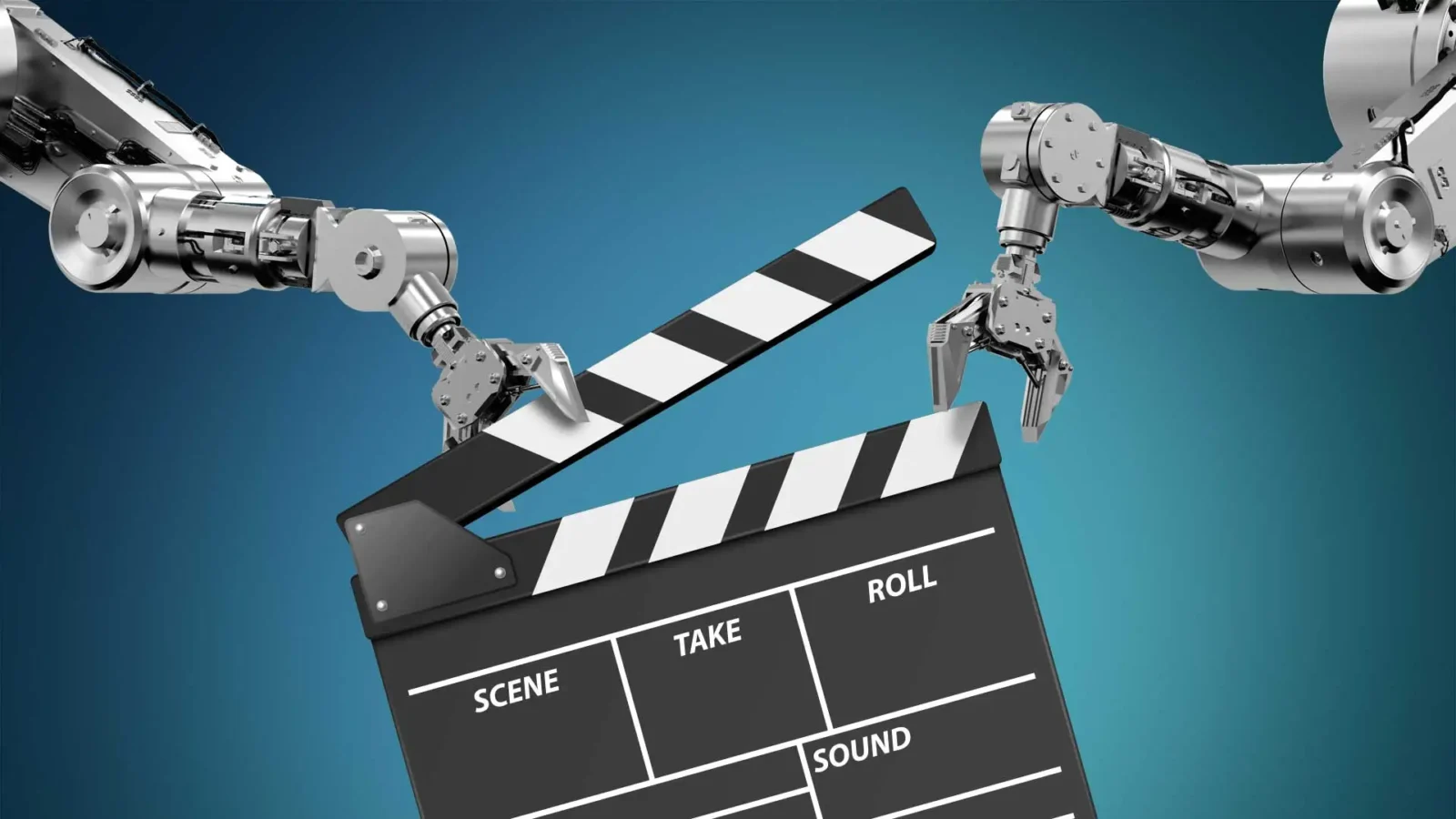
Generative tech in Indian filmmaking is moving from experimentation to practical adoption. From AI assisted script development to virtual production and post production automation, studios are reworking workflows to reduce costs, speed up delivery and expand creative possibilities.
Generative tech in Indian filmmaking is no longer a futuristic concept. Production houses, VFX studios and independent creators are integrating artificial intelligence tools across multiple stages of film and web series creation. While traditional filmmaking remains rooted in human creativity, AI powered systems are now supporting scripting, casting analysis, visual effects, dubbing and marketing. The shift is gradual but visible, particularly in large scale productions and digital first content.
AI in Script Development and Pre Production
One of the earliest entry points for generative AI tools has been script development. Writers are using AI driven platforms to brainstorm plot structures, generate character backstories and refine dialogue drafts. These systems do not replace writers but assist with idea expansion and iteration.
In pre production, AI tools help analyse audience preferences using historical viewing data. Production teams study genre performance, runtime trends and regional language demand before greenlighting projects. Predictive analytics can estimate likely audience segments for a script, helping producers make informed budget decisions.
Storyboarding has also evolved. Text to image models allow directors to visualise scenes quickly. Instead of waiting for manual sketches, filmmakers generate visual references that support pitch decks and investor presentations.
Virtual Production and AI Powered Visual Effects
Virtual production represents one of the most transformative uses of generative technology. LED walls combined with real time rendering engines allow filmmakers to simulate complex environments without extensive outdoor shoots. AI algorithms assist in background generation, lighting adjustments and scene continuity.
In post production, generative AI speeds up rotoscoping, background replacement and de aging effects. Indian VFX studios, which already serve global markets, are integrating machine learning models to automate repetitive tasks. This reduces turnaround time while maintaining quality standards.
Voice cloning and AI dubbing tools are also gaining traction. These technologies can recreate an actor’s voice in multiple languages with improved lip sync alignment. For a multilingual market like India, this capability enhances distribution across states without requiring separate dubbing sessions for every version.
Casting, Performance and Digital Doubles
Generative tech is influencing casting workflows as well. AI systems can analyse audition tapes to assess facial expressions, tone consistency and screen presence. While final decisions remain human driven, data insights support shortlisting processes.
Digital doubles are another emerging application. High resolution scans of actors allow VFX teams to create realistic stand ins for dangerous stunts or complex sequences. This improves safety and reduces insurance costs. Indian productions working on action heavy projects increasingly rely on such techniques.
Performance enhancement tools can subtly adjust lighting on faces, smooth minor inconsistencies or correct continuity errors. Ethical boundaries remain a topic of discussion, particularly regarding consent and digital likeness rights. Industry bodies are gradually drafting guidelines to regulate responsible usage.
Cost Efficiency and Independent Filmmakers
For independent creators and small production houses, generative tech lowers entry barriers. AI driven editing software automates rough cuts, colour correction and audio cleanup. Background music can be generated using licensed AI composition platforms, reducing dependence on expensive studio sessions.
Crowd simulation tools help filmmakers depict large gatherings without hiring thousands of extras. This is particularly relevant for historical dramas or political scenes. As computing power becomes more accessible, mid budget films benefit from capabilities that were previously limited to large studios.
However, adoption requires skill development. Technicians and editors must train in AI enabled tools to remain competitive. Film schools are beginning to include modules on virtual production and machine learning assisted editing.
Creative Concerns and Industry Debate
The expansion of generative tech in Indian filmmaking has sparked debate. Some artists fear job displacement, especially in entry level editing and design roles. Others argue that AI will handle repetitive tasks, freeing creative professionals to focus on storytelling.
Copyright and originality remain sensitive issues. AI models trained on vast datasets raise questions about intellectual property. Filmmakers must ensure that generated content does not infringe on existing works. Transparent disclosure and licensing practices are essential to maintain industry credibility.
Audience perception also matters. Viewers expect authenticity in performances and storytelling. Overuse of digital manipulation can erode emotional connection if not handled carefully.
The Road Ahead for AI in Indian Cinema
India’s film industry, spanning Bollywood and multiple regional sectors, produces a high volume of content annually. Generative tech offers scalability in a market that demands faster release cycles for theatrical and OTT platforms.
As infrastructure improves and regulatory clarity evolves, AI adoption will likely become standard practice rather than a novelty. The balance between human creativity and machine assistance will define the next phase of cinematic innovation.
Takeaways
Generative AI is supporting script development, visual effects and post production workflows.
Virtual production and digital doubles improve efficiency and safety in filmmaking.
Independent creators benefit from cost reduction and automated editing tools.
Ethical guidelines and intellectual property safeguards remain critical.
FAQs
Q1. Is AI replacing actors in Indian films?
No, AI currently assists with visual effects and performance enhancement but does not replace lead actors.
Q2. How does generative tech reduce production costs?
It automates repetitive tasks, reduces location shooting expenses and speeds up post production processes.
Q3. Are there legal concerns around AI in filmmaking?
Yes, issues related to copyright, digital likeness rights and data usage require clear guidelines.
Q4. Can small filmmakers access AI tools?
Many AI based editing and design platforms are available at affordable subscription costs, making them accessible to independent creators.






Leave a comment