

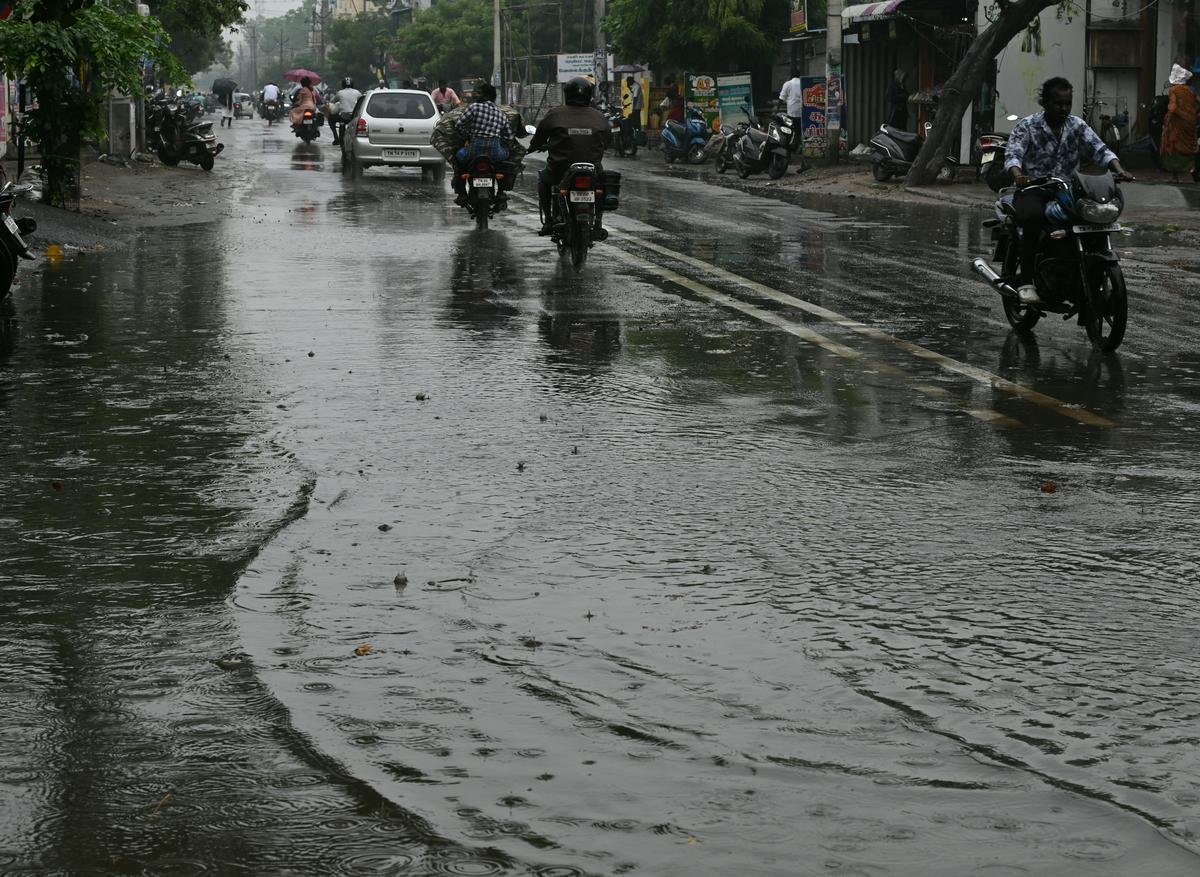
Heavy rainfall in Thoothukudi has triggered weather warnings across parts of Tamil Nadu as coastal Tier 2 hubs face heightened monsoon risk. The combination of saturated land, strong winds and unstable coastal systems is pushing smaller cities toward repeated disruption during active spells.
Why Thoothukudi is seeing heavy rainfall this season
Thoothukudi has been receiving intense rainfall due to a combination of moisture laden winds moving inland from the Bay of Bengal and the formation of low pressure systems near the Tamil Nadu coast. These systems strengthen quickly over warm sea surfaces and channel concentrated rain bands toward coastal districts. The city’s flat terrain and low elevation increase rain accumulation, causing localised flooding even during short intense bursts.
The rainfall pattern this season shows a higher frequency of short duration high intensity episodes. Such weather is typical when monsoon currents combine with cyclonic circulations or upper air disturbances. These interactions raise the risk of heavy rainfall in districts like Thoothukudi, Tirunelveli and Ramanathapuram, where drainage capacity is already stretched during peak monsoon months.
How coastal Tier 2 hubs become more vulnerable each monsoon
Coastal Tier 2 cities such as Thoothukudi, Karwar, Puducherry and Kakinada share structural vulnerabilities that magnify the impact of heavy rainfall. Many of these cities have dense residential zones located near the shoreline or along older drainage lines. Uneven expansion of housing, unplanned commercial blocks and blocked storm water channels reduce the city’s ability to absorb sudden rain.
In Thoothukudi, several neighbourhoods depend on narrow drains that struggle during high tide or rainfall overlap. When rain coincides with rising sea levels, the outflow of water slows considerably. This creates backflow situations in low lying colonies, leading to stagnant water and civic stress.
Another factor is the growing industrial load on coastal cities. Thoothukudi hosts ports, logistics yards, power stations and manufacturing units. These facilities require large paved areas, reducing ground percolation. As a result, more runoff enters storm water drains at once, increasing the chance of flooding during extreme rainfall.
Local city impact: transport, livelihoods and public health
The immediate effects of heavy rainfall on Thoothukudi are visible in transport delays, water logging and strain on essential services. Local roads become difficult to navigate as rainwater collects in dips and intersections. Auto rickshaws and two wheelers struggle, affecting office workers and students. Short power cuts may occur when substations face moisture load or when lines are shut temporarily for safety.
Fishermen face the sharpest disruption. Each weather warning forces suspension of nearshore fishing operations. This reduces daily income and impacts supply in nearby markets. Port operations may also scale down during heavy rainfall and strong winds, slowing cargo movement.
Public health concerns rise when stagnant water remains for extended periods. Mosquito breeding accelerates, increasing the risk of vector borne diseases. Street based vendors also face losses as foot traffic drops and outdoor stalls get damaged. For many households, especially in lower income clusters, repeated rain spells mean damp interiors, spoiled food supplies and difficulty in storing essentials.
Why drainage and early warning systems need urgent upgrades
Repeated monsoon stress in cities like Thoothukudi highlights the gap between rainfall intensity and civic readiness. Drainage networks built decades ago were not designed for the rainfall peaks now observed. Many drains empty into the sea or lagoons, making them dependent on tidal cycles. When high tide coincides with heavy rain, the system backs up quickly.
Improved early warning systems can help reduce damage. Timely alerts to fishermen, public transport operators and industrial units allow faster decision making. Local administrations benefit from accurate localised rainfall forecasts rather than broad regional predictions.
Infrastructure upgrades must prioritise widening of existing drains, clearing encroachments along storm water channels and creating buffer zones that absorb sudden runoff. Permeable pavements, rainwater harvesting pits and decentralised water holding structures can reduce pressure on the main drainage grid. For residents, awareness about keeping drains unclogged and avoiding waste disposal in open channels becomes equally critical.
What the next few days may look like for Thoothukudi
Rainfall intensity may fluctuate, but conditions remain conducive for intermittent heavy spells as long as moisture continues to flow from the Bay of Bengal. Localised flooding is possible in low lying zones if rainfall aligns with high tide. Schools and daytime services may adjust timings based on weather alerts.
For residents, tracking daily advisories, avoiding unnecessary travel during peak rain hours and securing homes against water seepage can reduce risk. For the administration, maintaining pump sets, ensuring emergency crews remain on standby and coordinating with port authorities will be crucial until the weather stabilises.
Takeaways
Heavy rainfall in Thoothukudi exposes long standing drainage and coastal vulnerabilities.
Coastal Tier 2 cities face greater risk due to dense construction and tidal influence.
Local transport, fishing livelihoods and public health remain the first areas impacted.
Upgraded drainage and faster early warning systems are essential for resilience.
FAQs
Why is Thoothukudi receiving heavy rainfall now
It is due to moisture rich winds, low pressure systems over the Bay of Bengal and unstable monsoon currents bringing concentrated rain toward the Tamil Nadu coast.
Which areas of Thoothukudi face higher flooding risk
Low lying residential colonies, neighbourhoods near the shoreline and areas connected to older narrow drains face quicker water accumulation.
How does heavy rainfall affect fishing operations
Weather warnings restrict fishing, reducing daily income and impacting supply to nearby towns, especially when wind speeds and waves rise.
What can residents do during heavy rainfall alerts
They should stay updated with advisories, avoid waterlogged routes, secure home interiors and check on vulnerable family members or neighbours.











Leave a comment