

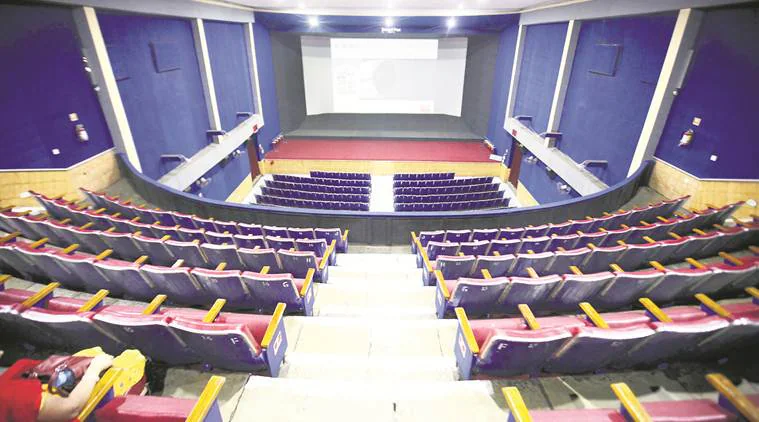
Hindi film releases delayed again has become a defining trend of early 2026, disrupting theatrical calendars across India. For single screen theatres, repeated scheduling changes are not just inconvenient but financially destabilising, forcing exhibitors to rethink programming, staffing, and long term survival strategies.
Why Hindi Film Releases Are Being Delayed Again
This topic is time sensitive and linked to current industry behaviour. Hindi film releases are being delayed due to a mix of strategic recalibration and risk management by producers. Rising production costs, uncertain box office recoveries, and competition from streaming platforms have made release timing more critical than ever.
Producers are avoiding crowded release windows and postponing films to secure better screens and longer runs. Some films are being held back to align with holidays or festival periods that promise stronger footfalls. Others are delayed due to incomplete post production or last minute marketing adjustments.
While multiplex chains can absorb these shifts, single screen theatres operate on thinner margins and depend heavily on predictable release cycles.
How the New Scheduling Strategy Works
The current scheduling strategy prioritises flexibility over fixed calendars. Instead of announcing firm release dates months in advance, producers are opting for shorter notice windows. This allows them to react to competitor releases, advance bookings, and early trade buzz.
Films are increasingly being slotted into weeks with minimal competition rather than traditional Friday launches packed with multiple releases. In some cases, a planned theatrical release is quietly deferred in favour of direct to digital or hybrid strategies.
For single screens, this unpredictability complicates advance planning. Theatre owners struggle to finalise show timings, promotional material, and local marketing without confirmed content.
Impact on Single Screen Theatre Revenue
Single screen theatres rely on consistent footfall rather than premium pricing. Delayed releases create gaps in programming, leading to empty shows or forced reruns of older films that no longer draw audiences.
Revenue loss is not limited to ticket sales. Food and beverage income, local advertising, and weekend occupancy all suffer when major releases are pushed back. Staffing costs remain fixed, but income fluctuates sharply.
In smaller towns, a delayed Hindi release often means no viable alternative. Regional films may not always be available or suited to local audience preferences, leaving theatres with limited options.
Operational Challenges in Small Town Cinemas
Scheduling uncertainty affects daily operations. Theatre owners face difficulty managing staff rosters, electricity costs, and maintenance schedules. Marketing spend becomes risky when release dates change at short notice.
Single screens also face pressure from distributors who prioritise multiplex chains for limited release prints. When a film finally releases, single screens may receive fewer shows or shorter runs, reducing earning potential further.
Over time, repeated disruptions weaken relationships between exhibitors and distributors, especially in Tier-2 and Tier-3 markets.
Changing Audience Behaviour and Expectations
Audiences have also adapted to delays. Viewers are less likely to plan theatre visits around announced dates, waiting instead for confirmation or opting to watch content on OTT platforms. This behaviour hits single screens hardest, as walk in audiences form a large share of their business.
Frequent postponements erode excitement around releases. When films finally arrive, momentum may already be lost. For single screen theatres that depend on first week collections, this shift is particularly damaging.
Are Single Screens Adjusting Their Strategy?
Some single screen theatres are experimenting with alternative content. This includes regional films, re releases of popular classics, and special screenings tied to local events. However, these initiatives offer limited relief and cannot fully replace mainstream Hindi releases.
Others are negotiating revenue sharing terms or exploring partnerships with regional distributors to stabilise programming. A few are upgrading basic amenities to attract audiences seeking affordable theatrical experiences.
Despite these efforts, structural challenges remain as long as release volatility continues.
What the Trend Signals for the Future
The ongoing delays indicate a cautious Hindi film industry that prioritises risk reduction over theatrical consistency. For single screen theatres, survival may depend on diversification and localised engagement rather than reliance on blockbuster pipelines.
Policy support, better distributor coordination, and more transparent release planning could ease pressure. Without these, the gap between multiplex chains and single screens is likely to widen further.
Takeaways
Hindi film release delays are becoming a strategic norm in 2026
Single screen theatres face revenue and planning instability
Unpredictable schedules weaken audience trust and footfall
Adaptation is possible but structural challenges remain
FAQs
Why are Hindi film releases being delayed so frequently?
Producers are adjusting dates to manage costs, avoid competition, and improve box office outcomes.
Do release delays affect multiplexes and single screens equally?
No. Multiplexes have diversified revenue streams, while single screens depend more on consistent releases.
Can regional films replace delayed Hindi releases for single screens?
They help in some markets, but demand varies and cannot fully substitute mainstream Hindi content.
Is this trend likely to continue through 2026?
Yes. As long as box office uncertainty persists, flexible scheduling is expected to remain common.












Leave a comment