


Holi 2026 trends reveal that young Indians are celebrating the festival differently this year. Social media influence, eco friendly practices, curated events, and digital sharing are reshaping how Gen Z and millennials participate in one of India’s most vibrant festivals.
Holi 2026 trends highlight a noticeable shift in how young Indians celebrate the festival. Traditionally associated with family gatherings, neighborhood celebrations, and community events, Holi is now evolving into a mix of cultural tradition and modern lifestyle expression. Young people across cities and smaller towns are blending digital culture, sustainability concerns, and entertainment driven experiences into their celebrations.
This transformation reflects broader changes in youth culture. Gen Z and millennial audiences are increasingly shaping festival trends through social media platforms, travel experiences, and lifestyle preferences. As a result, Holi celebrations in 2026 show new patterns in how the festival is organized, shared, and experienced.
Rise of Social Media Driven Holi Celebrations
Social media driven Holi celebrations have become one of the most visible trends among young Indians. Platforms such as Instagram, short video apps, and messaging communities now influence how people plan and document festival experiences.
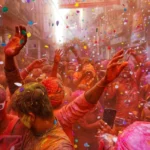
Many young participants treat Holi as a content friendly festival. Colorful visuals, group celebrations, and creative outfits provide ideal opportunities for photos and short videos. Friends often coordinate themed celebrations specifically designed for social media sharing.
Music playlists, dance reels, and viral challenges frequently accompany these gatherings. In some cases, influencers and digital creators host public Holi events that attract young audiences eager to participate in visually engaging celebrations.
This shift does not replace traditional rituals but adds a digital layer to the festival experience. Young people often begin the day with family celebrations before attending social gatherings with friends.
The ability to instantly share moments online has turned Holi into both a cultural event and a digital experience.
Eco Friendly Holi Practices Gaining Popularity
Eco friendly Holi practices are becoming more common as environmental awareness grows among younger generations. Many young Indians are choosing organic colors, water conservation methods, and sustainable celebration materials.
Traditional Holi celebrations often involved chemical based colors and excessive water usage. Environmental campaigns and educational initiatives have encouraged people to adopt safer alternatives.
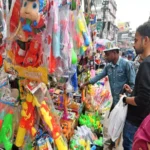
Organic colors made from natural ingredients such as turmeric, flower extracts, and herbal powders are widely available in markets and online stores. These colors are considered safer for both skin and the environment.
Dry Holi celebrations are also gaining attention in some communities. Instead of using large amounts of water, participants focus on playing with dry colors, music, and cultural activities.
Young people organizing Holi events in housing societies and colleges often promote eco friendly guidelines to encourage responsible celebrations.
These practices reflect a growing effort to balance festive enthusiasm with environmental responsibility.
Music Festivals and Curated Holi Events
Music driven Holi parties have become a major attraction for young urban audiences. In many cities, event organizers host large Holi themed gatherings featuring DJs, live performances, and food festivals.
These curated events combine elements of music concerts and traditional Holi celebrations. Participants purchase tickets and attend organized venues where colored powders, dance floors, and entertainment activities are arranged professionally.
This trend has expanded beyond metropolitan areas. Tier 2 cities are also witnessing an increase in organized Holi parties at resorts, clubs, and open event spaces.
Young professionals and college students often prefer these events because they offer a controlled environment with security, music, and social interaction.
Event based celebrations represent a modern lifestyle version of the festival while still preserving the spirit of playing with colors and celebrating together.
Travel and Destination Holi Experiences
Another emerging Holi trend among young Indians is festival travel. Instead of celebrating exclusively in their hometowns, many people plan trips to destinations known for vibrant Holi traditions.
Cities such as Mathura, Vrindavan, Pushkar, and Jaipur attract domestic travelers during the Holi season. These locations host large scale celebrations that combine religious traditions, street festivities, and cultural performances.
Young travelers often join group trips organized by travel companies or student communities. These experiences allow participants to explore historic Holi traditions while also enjoying group travel adventures.
Destination celebrations have become popular partly because of social media exposure. Videos and photographs of iconic Holi celebrations inspire many young people to experience the festival in culturally significant locations.
The tourism industry has responded by offering special Holi travel packages and guided experiences.
Changing Cultural Identity of Festivals Among Youth
The changing Holi trends reflect a broader transformation in how younger generations engage with cultural festivals. Rather than abandoning traditions, many young Indians are adapting them to fit modern lifestyles.
Family celebrations remain an important part of Holi. However, youth driven activities such as themed parties, digital storytelling, and travel experiences are expanding how the festival is celebrated.
Technology, environmental awareness, and social networking have all influenced these evolving traditions. Festivals are becoming platforms for creativity, social connection, and cultural expression.
At the same time, the core symbolism of Holi remains intact. The festival continues to represent the arrival of spring, the triumph of positivity, and the joy of community celebration.
In 2026, Holi reflects both continuity and change as young Indians reinterpret traditions for a new generation.
Takeaways
• Holi 2026 trends show increasing influence of social media and digital sharing.
• Eco friendly celebrations and organic colors are gaining popularity among young people.
• Music festivals and curated Holi events are becoming common in many cities.
• Festival travel to cultural destinations is rising among youth audiences.
FAQs
How are young Indians celebrating Holi differently in 2026?
Young people are combining traditional celebrations with social media sharing, music events, eco friendly practices, and destination travel experiences.
Why are eco friendly Holi practices becoming popular?
Environmental awareness campaigns and health concerns have encouraged people to use organic colors and reduce excessive water usage.
What are curated Holi events?
These are organized Holi celebrations featuring DJs, live music, entertainment activities, and controlled venues where participants celebrate with colors.
Which destinations are popular for Holi travel in India?
Cities such as Mathura, Vrindavan, Jaipur, and Pushkar are known for large scale Holi celebrations that attract domestic and international travelers.




Leave a comment