

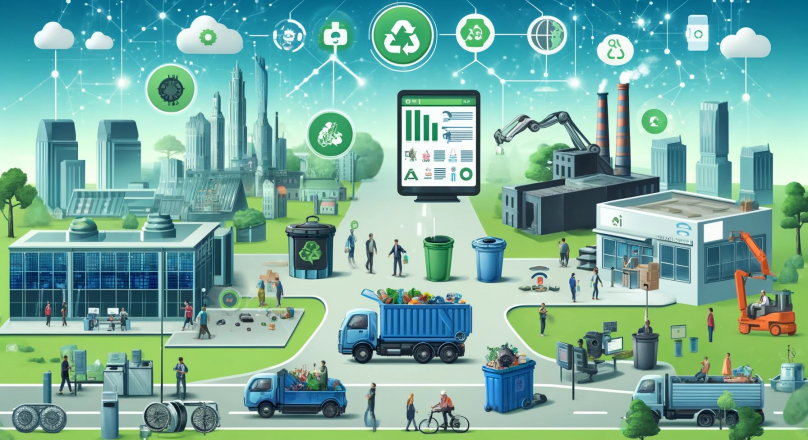
AI powered e waste platforms such as Green Grid are emerging as potential solutions to India’s long standing informal recycling challenge. As electronic waste grows rapidly, technology driven systems are offering structured alternatives to hazardous manual processing and fragmented collection networks.
The summary
AI based platforms can streamline e waste collection, improve traceability, enhance worker safety and integrate informal recyclers into formal systems. These solutions are designed to address inefficiencies that have kept India’s recycling ecosystem largely unregulated and environmentally risky.
Why India’s e waste problem demands new solutions
India generates one of the world’s largest volumes of e waste, driven by rising device usage, shorter product cycles and expanding digital adoption. A significant share is processed by informal workers who dismantle products manually, often without safety equipment. This exposes workers to toxins and leads to uncontrolled leakage of harmful materials into soil and water systems. Traditional collection systems remain weak, with low consumer awareness, limited take back infrastructure and inconsistent enforcement of recycling mandates. In this context, AI powered platforms represent a new opportunity to centralise data, optimise operations and formalise the entire chain.
How AI platforms improve collection and sorting efficiency
AI systems can identify, classify and route e waste with much higher accuracy than manual methods. Using image recognition, machine learning and embedded sensors, platforms like Green Grid can determine the type of product, its condition and the materials contained within. This allows efficient categorisation before dismantling. Automated scheduling tools match pickup requests with available logistics partners, reducing delays and operational cost. Predictive algorithms estimate collection volume in specific regions, helping recyclers plan capacity in advance. By mapping waste hotspots, AI platforms enable targeted awareness campaigns and optimise vendor deployment in areas with historically low collection rates.
Integrating informal recyclers into the formal chain
One of the biggest advantages of AI powered platforms is their ability to integrate informal workers without eliminating their role. These platforms create verified digital identities for informal collectors, allowing them to participate as registered partners. Training modules supported by AI can help workers learn safer dismantling practices and comply with regulatory guidelines. Payments can be routed directly to workers through formal channels, ensuring transparency and reducing exploitation. By connecting a dispersed workforce to licensed recyclers, AI platforms create structured supply chains that maintain livelihoods while improving environmental compliance. Formalisation also allows workers to access protective gear, fair compensation and long term employment opportunities.
Enhancing transparency and compliance through real time tracking
Traceability is a major weakness in India’s recycling ecosystem. AI platforms use digital barcoding, IoT sensors and cloud based tracking to record the journey of each device from pickup to final processing. This helps prevent illegal dumping and ensures that hazardous components reach authorised facilities. For regulators, real time dashboards highlight compliance gaps, enabling targeted inspections rather than broad enforcement sweeps. Producers obligated under extended producer responsibility receive accurate documentation to prove legal recycling of their products. Transparent data flows build trust among consumers, companies and recyclers, reducing the incentive to rely on unregulated practices.
Environmental and economic benefits of AI enabled recycling
When AI platforms streamline operations, the recycling process becomes more economically viable. Higher recovery rates of valuable materials such as copper, gold, silver and rare earth metals increase profitability for formal recyclers. Efficient sorting reduces wastage and lowers the need for expensive manual intervention. Environmentally, better handling reduces pollution from burning wires, open acid baths and unscientific dismantling. Communities benefit from cleaner surroundings, and local governments reduce waste management burdens. Over time, the ecosystem shifts from a scattered informal model to a circular economy where materials re enter manufacturing cycles, reducing import dependency.
Challenges and what the ecosystem needs next
Despite strong potential, AI powered e waste platforms face adoption barriers. Consumer awareness remains low, and many households still store old electronics rather than recycle them. Informal workers may initially distrust formal systems due to fear of income loss or regulatory pressure. Infrastructure gaps persist in smaller cities where logistics networks and certified recycling centres are limited. To accelerate adoption, platforms must invest in education campaigns, build local partnerships and tailor solutions to regional needs. Policymakers need to support scale through incentives, simplified compliance and investment in formal recycling capacity.
Takeaways
- AI platforms enable efficient collection and sorting, reducing dependence on unsafe manual dismantling.
- Informal workers can be integrated into formal systems, improving safety and ensuring stable incomes.
- Real time tracking increases regulatory compliance and prevents illegal dumping of hazardous components.
- Higher recovery rates and cleaner processes strengthen the circular economy, reducing environmental damage.
FAQs
Q: How does AI improve recycling efficiency compared to manual methods?
AI identifies, classifies and routes waste more accurately, enabling higher recovery rates and smoother logistics coordination.
Q: Can informal workers benefit from these platforms?
Yes. They can join as registered partners, gain safer working conditions and receive transparent digital payments.
Q: Are AI based systems viable in Tier 2 and Tier 3 cities?
They can scale effectively with the right logistics partners and awareness drives, especially as digital adoption grows in smaller cities.
Q: What limits faster adoption of AI based e waste platforms?
Low awareness, limited infrastructure and initial resistance from informal networks are key barriers.












Leave a comment