

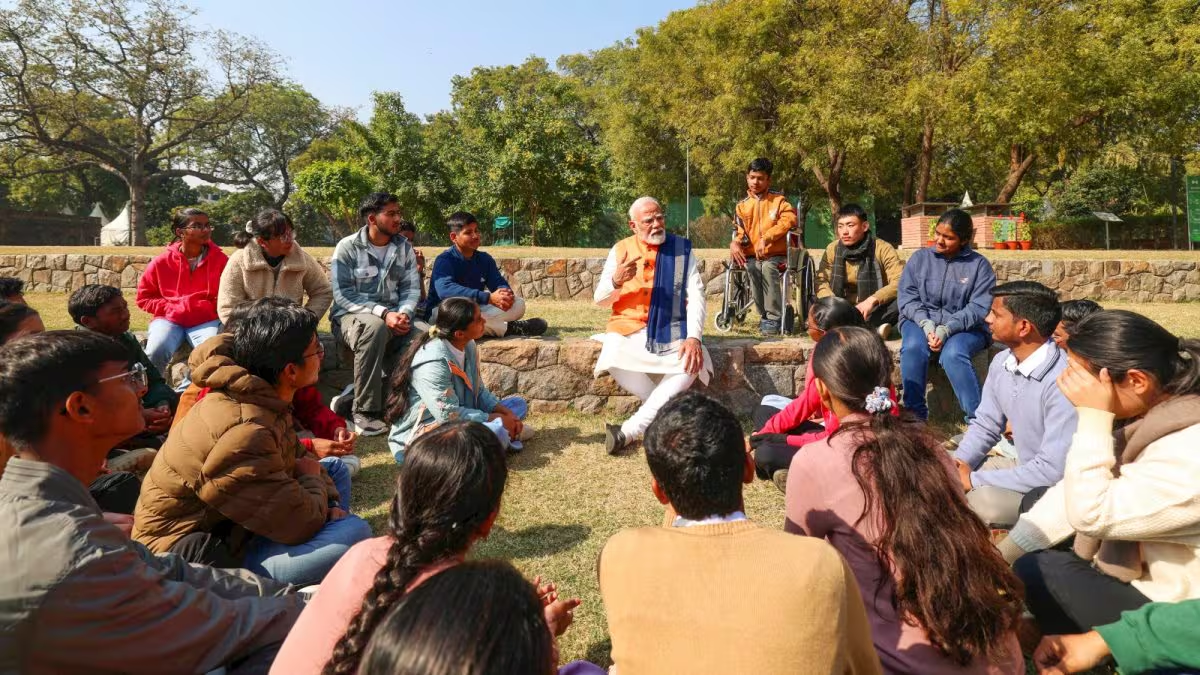
Pariksha Pe Charcha 2026 has pushed student mental health into mainstream discussion, especially in smaller cities. The Prime Minister’s direct interaction with students reframed exam stress as a shared, manageable challenge, giving families and schools in Tier 2 and Tier 3 India a new vocabulary around pressure, expectations, and well being.
Event Context and Intent Behind Pariksha Pe Charcha 2026
Pariksha Pe Charcha is a government led initiative where students, parents, and teachers engage directly with the Prime Minister on exam related stress. The 2026 edition followed the same broad format but landed at a moment when competitive pressure, digital exposure, and parental anxiety have intensified beyond metro cities.
The intent this year was clearly informational with a soft policy signal. The focus was not on marks, ranks, or toppers, but on mental resilience, emotional balance, and long term learning. When Narendra Modi spoke about fear of failure, self comparison, and parental expectations, the messaging was designed to normalize these issues rather than dramatize them.
For smaller cities, where conversations around mental health often stay private or stigmatized, this framing matters. It gave legitimacy to a topic that is usually dismissed as weakness or overthinking.
Why Smaller Cities Responded Differently This Year
In Tier 2 and Tier 3 cities, exam pressure often carries higher emotional stakes. Limited college seats, fewer local career options, and family expectations tied to upward mobility amplify stress. Pariksha Pe Charcha 2026 resonated because it acknowledged these realities without sounding abstract.
Local schools reported increased classroom discussions around stress management after the event. Coaching centres shared clips from the interaction during sessions. Parents, especially first generation graduates, were exposed to the idea that constant pressure may be counterproductive.
The mental health narrative here was not academic. It was practical. Phrases about consistency, self trust, and focusing on process rather than outcome aligned closely with lived student experiences in smaller towns.
Shifting Language Around Exam Stress and Failure
One of the biggest impacts of Pariksha Pe Charcha 2026 was linguistic. The way exam stress was discussed publicly changed tone. Instead of framing anxiety as something to eliminate, it was described as something to understand and regulate.
This matters because language shapes response. In many smaller cities, students hesitate to talk about burnout or fear because there is no accepted vocabulary for it. After the event, terms like balance, preparation fatigue, and emotional health entered everyday school conversations.
Teachers began linking performance issues to mental overload rather than laziness. Parents heard a national leader acknowledge that comparison culture damages confidence. That validation, even if symbolic, lowers resistance to seeking help.
Role of Schools, Parents, and Local Institutions
The ripple effect of Pariksha Pe Charcha 2026 depends heavily on how local institutions respond. In smaller cities, schools are central community spaces. When principals and teachers echo the messaging, it gains durability.
Some schools have already integrated short mindfulness sessions, peer discussions, or open Q&A periods around exams. Coaching centres are experimenting with counseling tie ups. Parent teacher meetings now include mental health check ins alongside academic progress.
The event did not create these practices from scratch, but it accelerated acceptance. Importantly, it framed mental health support as performance enabling rather than distracting, which aligns better with exam focused households.
Long Term Impact on Student Mental Health Awareness
Pariksha Pe Charcha 2026 is not a solution by itself. Structural issues like syllabus load, entrance exam competition, and lack of counselors remain. However, its impact lies in setting a national tone that filters down to smaller cities.
When mental health is discussed from the top without stigma, it gives local actors permission to act. Over time, this can normalize early conversations about stress, reduce fear around asking for help, and encourage preventive rather than crisis driven responses.
For students in non metro India, this shift is subtle but significant. It moves mental health from being an afterthought to being part of the academic journey.
Takeaways
Pariksha Pe Charcha 2026 normalized student mental health discussions in smaller cities
The event reframed exam stress as manageable, not shameful
Schools and parents in Tier 2 and Tier 3 areas showed higher engagement with the message
Language and tone used by national leadership played a key role in reducing stigma
FAQs
What made Pariksha Pe Charcha 2026 different from previous editions
The 2026 edition placed stronger emphasis on emotional health, fear of failure, and self belief rather than exam tactics alone.
Why is the impact stronger in smaller cities than metros
In smaller cities, mental health conversations are less common, so national validation carries more influence and visibility.
Does Pariksha Pe Charcha directly change exam systems
No, it does not alter exam structures, but it influences attitudes of students, parents, and educators.
Can one event really affect student mental health outcomes
On its own, no. But it can shift social norms and encourage supportive practices at school and family levels.









Leave a comment