

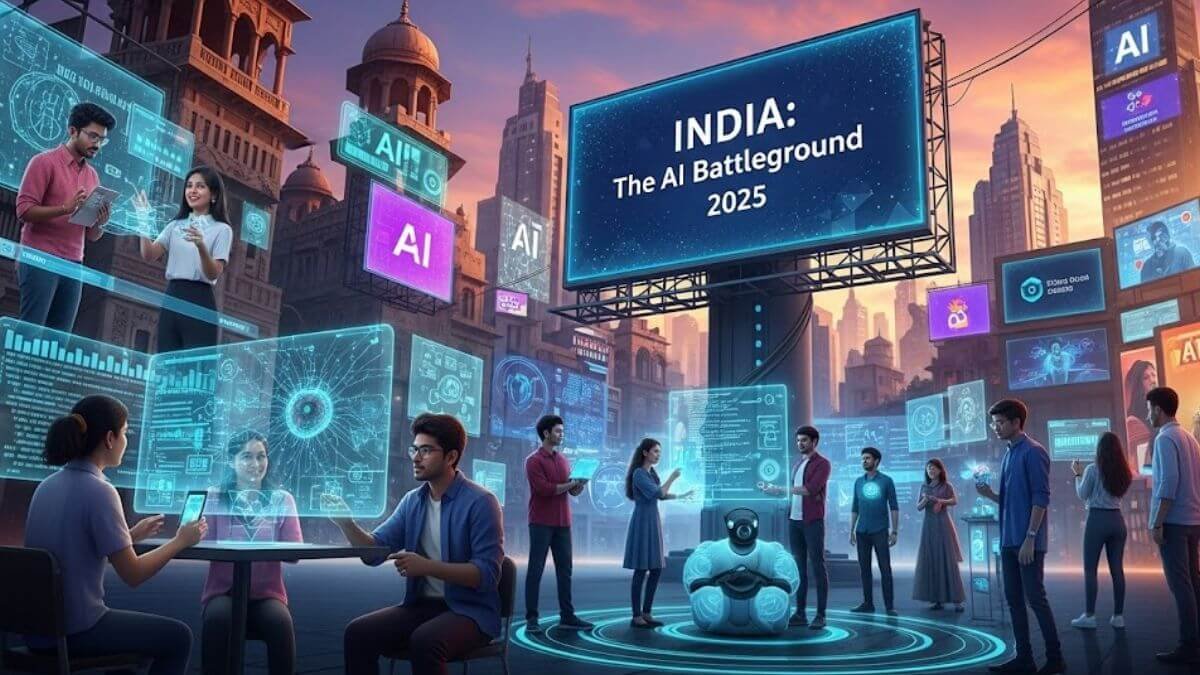
India is increasingly being positioned as a global innovation testing ground for multinational corporations, particularly in retail and consumer sectors. Rapid digital adoption, diverse income segments and data rich consumption patterns are reshaping go to market strategies for global brands operating in the country.
India as a global innovation testing ground is no longer a theoretical concept. Multinational corporations across FMCG, retail, automotive, fintech and consumer electronics are piloting products and business models in India before scaling them to other emerging markets. The country’s combination of scale, price sensitivity and digital penetration makes it uniquely suited for experimentation.
Over 800 million internet users, widespread adoption of digital payments and a fast growing middle class create a dynamic consumer laboratory. Companies can test premium offerings, mass market variants and digital first services within the same geography.
Retail Market Diversity Driving Product Innovation
India’s retail landscape is fragmented yet expansive. Organized retail is growing, but traditional kirana stores continue to dominate large parts of the market. This hybrid environment allows multinational corporations to test omnichannel retail strategies.
Global brands often introduce smaller stock keeping units in India to cater to price sensitive consumers. Single use sachets and low cost packaging formats that originated in India have later been exported to Africa and Southeast Asia.
Modern trade outlets in metros enable premium product pilots, while Tier 2 and Tier 3 cities provide insight into aspirational consumption trends. This layered market structure gives corporations granular data across income levels.
Consumer Behavior Data and Go To Market Strategy
India’s digital economy has transformed how companies collect consumer insights. E commerce platforms, quick commerce apps and digital wallets generate real time purchase data. This helps MNCs refine pricing, promotions and product bundling strategies.
Go to market strategy in India now integrates hyperlocal targeting. Brands use regional language advertising, influencer partnerships and festival driven campaigns to test resonance. Success metrics are tracked across diverse geographies.
The Unified Payments Interface has accelerated digital transactions, making consumer spending patterns more traceable. Subscription models, cashback incentives and loyalty programs are often piloted in India due to this data visibility.
AI and Analytics in Consumer Testing
Artificial intelligence and advanced analytics play a central role in India’s innovation ecosystem. MNCs deploy predictive models to forecast demand in specific micro markets. AI tools analyze sentiment from social media and customer reviews to fine tune product positioning.
Chatbots and automated customer service systems are frequently tested in India because of high mobile engagement. Companies evaluate user behavior at scale before expanding these systems globally.
India’s large base of technology talent also supports innovation labs. Many multinational firms have established global capability centers in cities like Bengaluru, Hyderabad and Pune. These centers contribute to product design, software development and consumer analytics.
Tier 2 and Tier 3 Cities as Growth Laboratories
Tier 2 and Tier 3 cities have become critical to retail experimentation. Rising disposable incomes and improved logistics infrastructure have increased access to branded products in these markets.
For multinational corporations, these cities represent a midpoint between metro sophistication and rural demand constraints. Testing affordability models, installment payment options and vernacular marketing strategies in these regions provides valuable global insight.
Quick commerce expansion beyond metros has also created new testing environments. Companies assess delivery speed expectations, basket sizes and repeat purchase behavior across different urban tiers.
Impact on Global Rollouts
Products that succeed in India often demonstrate scalability in other emerging economies. For example, compact packaging innovations and digital payment integration models have been adapted for markets in Southeast Asia and Latin America.
India’s regulatory environment, including evolving data protection norms and competition laws, also forces companies to build compliant systems early. These systems are later used as templates in other jurisdictions.
The ability to operate across multiple languages and cultural contexts within one country prepares brands for global complexity. Lessons from India reduce uncertainty in international expansions.
Challenges in Using India as a Testing Ground
While India offers scale and diversity, it also presents challenges. Price sensitivity requires precise cost management. Infrastructure gaps in certain regions can affect supply chains.
Regulatory shifts, particularly in sectors like e commerce and data governance, require continuous compliance updates. Consumer preferences vary widely between states, making uniform strategies ineffective.
MNCs must balance experimentation with brand consistency. Failed pilots can affect perception if not managed carefully.
Future Outlook for Retail and Consumer Innovation
India’s role in global innovation testing is likely to expand. Growth in digital infrastructure, expansion of 5G networks and increasing formalization of retail will deepen data access.
As per capita income rises, premium segments will grow alongside value segments. This dual market structure offers unique comparative insights for multinational brands.
Global companies are expected to increase investment in local research and development centers. Co creation with Indian startups may also become more common, blending multinational scale with local agility.
India’s combination of scale, diversity and digital depth makes it a strategic innovation arena rather than just a consumption market.
Takeaways
India is becoming a preferred innovation testing ground for multinational corporations
Retail diversity and digital data are reshaping global go to market strategies
Tier 2 and Tier 3 cities provide valuable consumer insights for product pilots
AI and analytics are central to testing, refinement and global scalability
FAQs
Q1. Why do multinational corporations test products in India first?
India offers scale, digital penetration and diverse consumer segments, allowing brands to evaluate multiple pricing and distribution strategies simultaneously.
Q2. How does digital adoption influence innovation testing?
High usage of e commerce and digital payments generates detailed consumer data, enabling real time adjustments in marketing and product design.
Q3. Are Tier 2 cities important for global strategy?
Yes, these cities help companies test affordability models and vernacular marketing approaches that can be adapted to other emerging markets.
Q4. What risks do companies face while testing in India?
Challenges include price sensitivity, regulatory changes and varied consumer preferences across states.












Leave a comment