

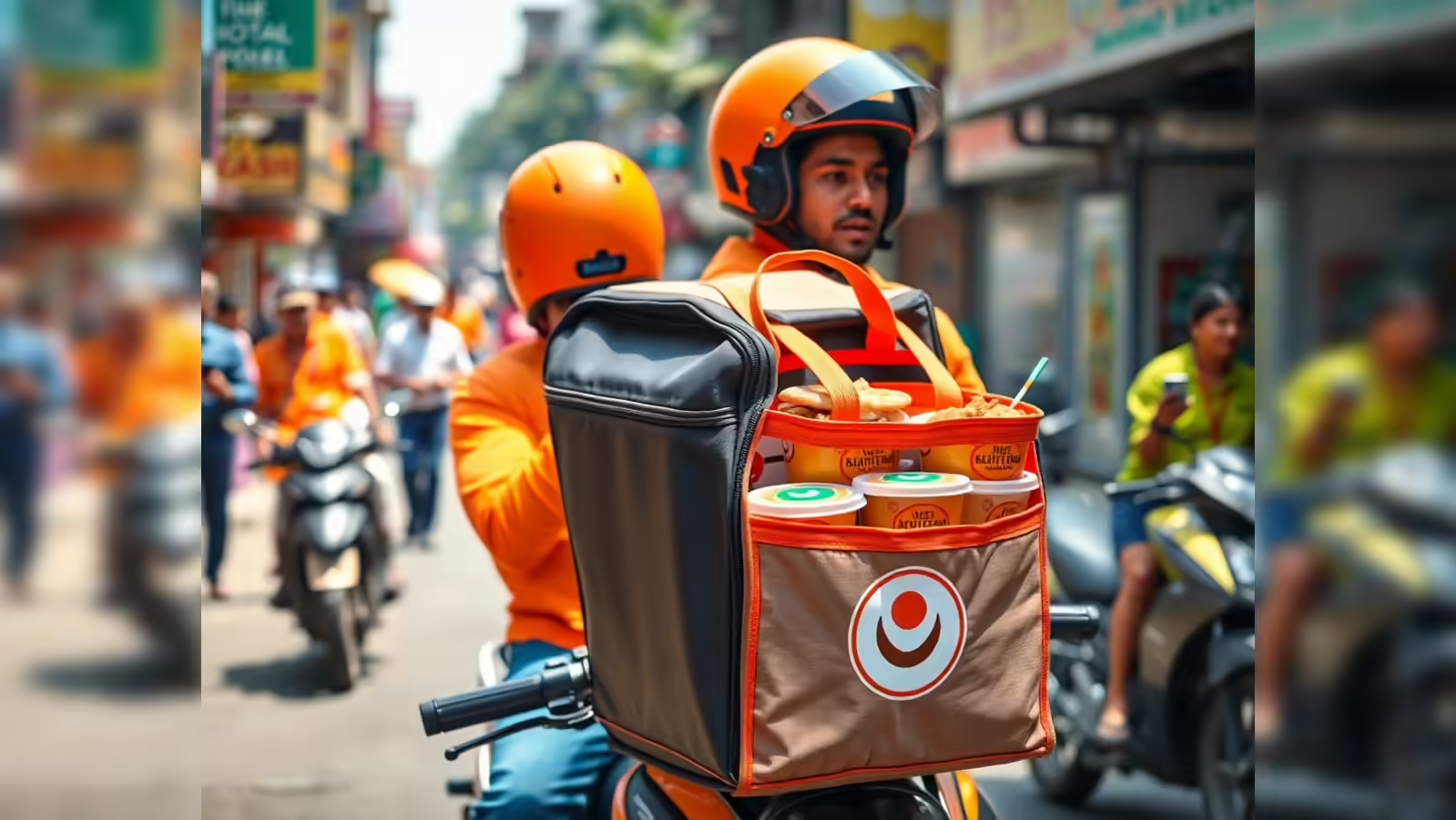
Indian food delivery platforms’ rapid expansion is reshaping employment patterns outside metros. From Tier 2 and Tier 3 cities to semi urban clusters, companies like Swiggy, Zomato and Zepto Cafe are creating new income avenues through logistics, cloud kitchens and local vendor partnerships.
Food delivery platforms in India have moved far beyond metro centric growth. Over the past few years, their focus has steadily shifted to smaller cities where smartphone penetration, UPI usage and demand for convenience services have risen sharply. This expansion has turned food delivery into a significant employment generator outside traditional urban hubs.
Expansion strategy targets Tier 2 and Tier 3 cities
Indian food delivery companies initially built scale in metros where disposable incomes and restaurant density were high. That phase has largely matured. Current growth strategies prioritise Tier 2 and Tier 3 cities such as Indore, Udaipur, Siliguri, Tiruppur, Guntur and Dhanbad.
Lower competition, affordable real estate for delivery hubs and increasing digital adoption make these markets commercially viable. Platforms now onboard hyperlocal restaurants, small eateries and home grown brands that were previously offline only. This localisation allows platforms to scale order volumes while keeping operating costs under control.
For local economies, this shift matters. It brings organised platform work to regions where formal private sector employment options remain limited.
Delivery partners emerge as a key employment channel
The most visible impact of food delivery expansion is in last mile employment. Delivery partners form the backbone of these platforms and a large share now operate outside metros. Smaller cities offer shorter travel distances, lower fuel costs and better order clustering, making delivery work more viable even with fewer daily orders.
For many workers, delivery platforms act as a primary income source rather than a side gig. Students, migrants returning to hometowns and individuals transitioning from informal work use these platforms to earn predictable daily cash flow. Flexible working hours remain a strong draw, especially in towns with limited shift based jobs.
Importantly, platform work has also attracted workers who previously relied on seasonal or agriculture linked income, providing year round earning stability.
Growth of cloud kitchens and local restaurant employment
Employment growth is not limited to delivery riders. The rise of cloud kitchens in non metro cities has created steady jobs across cooking, packaging, inventory management and operations. Many small restaurant owners now run delivery only kitchens with minimal upfront investment.
Food delivery platforms actively encourage this model by offering data on demand trends, cuisine gaps and pricing strategies. As a result, new local brands focused on biryani, rolls, South Indian meals or budget combos are emerging across smaller towns.
This ecosystem supports cooks, helpers, sourcing agents and even local suppliers. For Tier 2 cities, cloud kitchens are becoming a modern alternative to traditional restaurant jobs with lower risk and faster break even cycles.
Indirect employment through logistics and support roles
Rapid expansion has also increased demand for indirect roles. Warehousing staff, hub managers, fleet coordinators, customer support executives and onboarding teams are increasingly based in non metro locations. Platforms prefer these cities due to lower operational costs and easier talent retention.
Technology enabled roles such as data tagging, menu digitisation and local marketing execution are also being outsourced to regional teams. This creates white collar and semi skilled employment beyond delivery and food preparation.
As platforms integrate quick commerce and food delivery operations, shared infrastructure further expands employment density in these regions.
Economic impact on smaller city labour markets
The presence of organised gig platforms has introduced new income benchmarks in smaller cities. Daily payout cycles, incentive structures and transparent earnings dashboards have influenced local labour expectations. Competing sectors such as retail delivery, courier services and local logistics now adjust wages to remain competitive.
Food delivery platforms also contribute to financial inclusion. Many workers open bank accounts, use digital payments and access insurance products for the first time through platform partnerships. This formalisation effect has long term implications for workforce stability and credit access.
However, challenges remain around income consistency, rising competition among delivery partners and limited social security coverage.
Sustainability and the road ahead
While employment growth is real, sustainability depends on balanced expansion. Platforms must manage rider density, fair incentives and demand predictability in smaller cities. Over saturation can reduce earnings and trigger attrition.
At the same time, local governments and skill programs can leverage this expansion by aligning training, traffic management and digital infrastructure support. If executed responsibly, food delivery platforms can remain a durable employment engine outside metros rather than a short term gig spike.
The next phase will likely see deeper penetration into district headquarters and semi rural belts, further redefining how service sector jobs emerge beyond India’s biggest cities.
Takeaways
Food delivery platforms are shifting growth focus from metros to Tier 2 and Tier 3 cities.
Delivery partners now form a major employment base outside large urban centres.
Cloud kitchens and local restaurants are creating steady non rider jobs in smaller cities.
Indirect roles and financial inclusion effects strengthen regional labour markets.
FAQs
How do food delivery platforms create jobs outside metros?
They generate direct jobs through delivery partners and kitchen staff, and indirect jobs through logistics, support teams and local vendor networks.
Are delivery partner earnings sustainable in smaller cities?
Earnings can be stable due to lower costs and shorter distances, but sustainability depends on platform incentives and order volume management.
What role do cloud kitchens play in employment growth?
Cloud kitchens create operational jobs and allow small entrepreneurs to enter the food business with lower investment, boosting local employment.
Will food delivery expansion continue in Tier 3 cities?
Yes, driven by digital payments, smartphone access and demand for convenience services, platforms are expected to deepen presence in smaller markets.












Leave a comment