

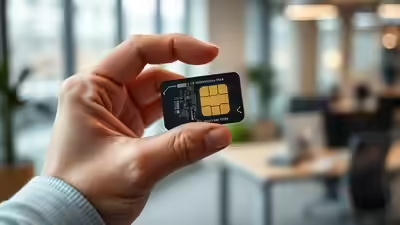
India’s SIM binding rule rollout marks a major shift in how mobile apps authenticate users. The new framework links specific applications to a verified SIM identity, directly impacting smartphone users in Tier 2 and Tier 3 cities where digital adoption is accelerating.
India’s SIM binding rule rollout has introduced stricter authentication standards for mobile applications that rely on phone number verification. The move is aimed at reducing fraud, curbing SIM swap abuse, and strengthening digital identity security. For millions of smartphone users outside metro cities, this policy changes how apps are accessed, verified, and secured.
What Is the SIM Binding Rule and Why It Matters
The SIM binding rule requires certain apps to bind user accounts to the SIM card installed in the device during registration and authentication. This means that app verification processes must confirm that the SIM associated with the registered mobile number is physically present and active in the device.
This policy targets common vulnerabilities such as SIM swap fraud, phishing based OTP interception, and unauthorized account takeovers. By tightening the link between a mobile number and the device level SIM, regulators aim to reduce financial fraud, especially in UPI payments, digital banking, and messaging platforms.
For Tier 2 and Tier 3 users, where digital literacy varies and fraud awareness may be lower, the impact is particularly significant. These regions have seen rapid smartphone growth driven by affordable Android devices and low data costs.
How SIM Binding Affects Apps and Messaging Platforms
Apps that rely heavily on mobile number authentication are the most directly affected. This includes digital payment apps, messaging services, fintech platforms, and some government service apps.
Under SIM binding compliance, apps may require:
Physical SIM verification during login
Re authentication if SIM is removed or changed
Restrictions on multiple device logins using the same number
For example, UPI based payment apps depend on SMS based verification linked to the SIM. If a user removes the SIM or switches to a secondary device without the registered SIM inserted, authentication may fail. This is designed to prevent misuse if a number is cloned or accessed remotely.
Messaging apps that use OTP login systems may also integrate device SIM checks. This increases friction slightly but reduces unauthorized access risk.
Impact on Security and Digital Fraud Prevention
The strongest argument in favor of the SIM binding rule is fraud reduction. India has seen a rise in digital payment fraud, SIM swap scams, and identity theft cases. Fraudsters often exploit OTP systems by illegally porting numbers or cloning SIM cards.
By mandating SIM presence validation, the system creates an additional security layer beyond OTPs. Even if someone gains access to login credentials, access becomes harder without the physical SIM card in the target device.
In Tier 2 and Tier 3 cities, where digital banking penetration has expanded quickly due to government schemes and UPI adoption, enhanced safeguards could protect first time digital users. Small merchants, kirana store owners, and gig workers who rely on mobile payments stand to benefit from reduced fraud exposure.
Challenges for Tier 2 and Tier 3 Smartphone Users
While security improves, usability concerns remain. Many users in smaller towns share devices within families. Some use dual SIM phones for business and personal use. Others frequently swap SIM cards between devices.
Under SIM binding enforcement, these practices may trigger re verification steps or temporary service disruption. This could create confusion if users are unaware of the rule.
Network reliability also matters. In semi urban areas where telecom coverage fluctuates, SIM verification processes may fail due to weak signal or delayed SMS authentication.
Another challenge is awareness. Digital literacy programs have improved adoption of UPI and mobile apps, but understanding of device level authentication remains limited. Clear communication from telecom operators and app providers is critical.
Adoption Trends and Long Term Digital Policy Impact
India’s broader digital governance framework has steadily moved toward stronger identity verification. Aadhaar linked mobile numbers, KYC norms, and stricter telecom regulations have laid the foundation for SIM binding.
In Tier 2 and Tier 3 markets, smartphone penetration continues to rise due to low cost data plans and budget devices. As adoption deepens, security infrastructure must scale with it. SIM binding fits into this larger digital public infrastructure model.
Over time, app developers are likely to optimize user flows to minimize friction while retaining security. Biometric authentication, device fingerprinting, and secure hardware elements may complement SIM based verification.
For users, the immediate impact may be extra verification prompts. In the long run, the goal is fewer account compromises and safer digital transactions.
What Smartphone Users Should Do Now
Users should ensure that:
Their registered mobile number is active and correctly linked to key apps
SIM cards are not frequently swapped between devices without understanding re verification requirements
Telecom KYC details are up to date
Merchants and small business owners should test payment apps after any SIM or device change to avoid transaction failures during peak hours.
As India’s digital ecosystem matures, policies like SIM binding are likely to become standard. The trade off is clear. Slightly stricter login processes in exchange for stronger fraud prevention.
Takeaways
SIM binding links app authentication directly to the physical SIM card for added security
Digital payment and messaging apps are most affected by the new compliance requirements
Tier 2 and Tier 3 users may face minor usability friction but gain stronger fraud protection
Long term impact points toward safer mobile transactions and reduced SIM swap scams
FAQs
What is SIM binding in simple terms
SIM binding means certain apps verify that the SIM card linked to your mobile number is physically present in your phone during login or authentication.
Will I lose access to apps if I change my SIM
You may need to complete re verification steps if you change or remove your SIM. Access is not permanently blocked but security checks will apply.
Does SIM binding affect UPI payments
Yes. UPI apps that use SMS based authentication depend on the registered SIM being active in the device. Removing it may interrupt verification.
Is this rule only for big cities
No. The rule applies nationwide. Its impact is especially noticeable in Tier 2 and Tier 3 cities where digital adoption is rapidly growing.











Leave a comment