

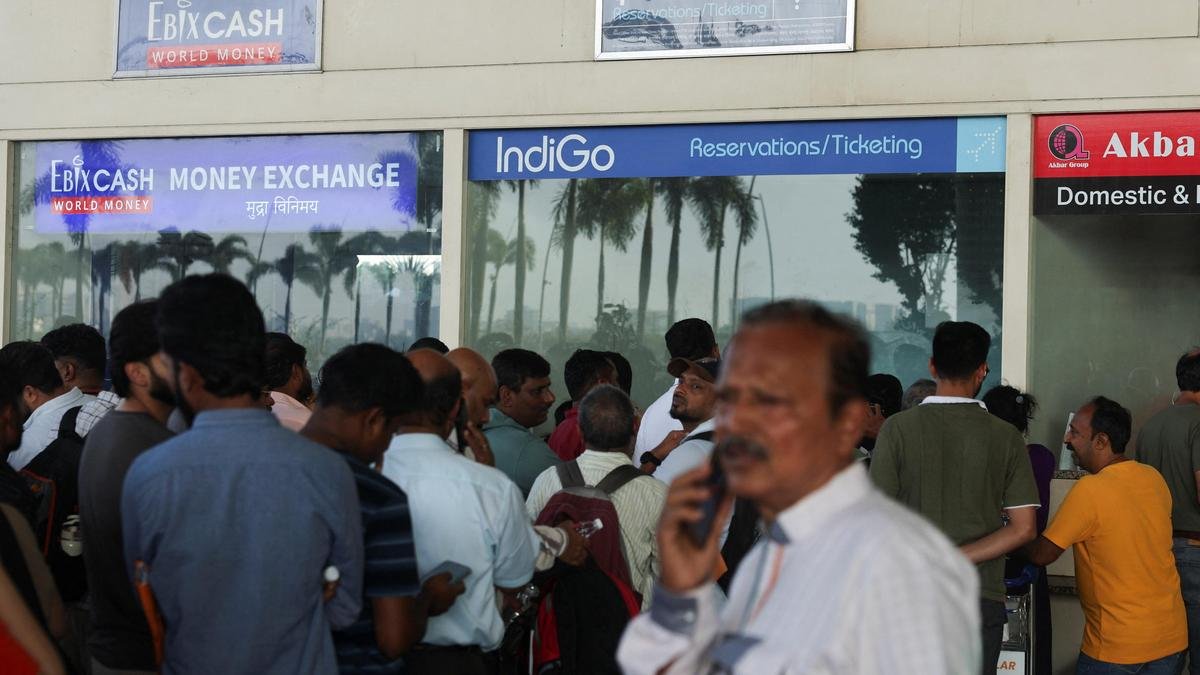
Frequent flyers are facing uncertainty as IndiGo cancellations continue to affect routes across India. The disruption has hit Tier 2 cities the hardest, and travelers from Nagpur, Lucknow and Patna are seeing the most significant schedule volatility. This article explains what passengers in these cities should expect and how to plan their upcoming trips.
Current scale of cancellations and operational challenges
IndiGo cancellations have been concentrated on high traffic routes, but the ripple effect is reaching Tier 2 airports. Aircraft rotations, crew availability and narrow turnaround buffers are creating pressure on schedules. When a single metro route faces disruption, the outbound or inbound flight to a smaller city often becomes the next casualty.
Nagpur has seen more evening departures disrupted. Lucknow’s early morning flights to Delhi and Mumbai have been among the most affected. Patna’s weather linked constraints combined with ongoing operational load have amplified delays. For frequent flyers who rely on predictable timings for business or medical travel, the instability is creating both financial and logistical strain.
Effects on Tier 2 connectivity and peak season travel
Secondary airports have fewer daily frequencies, which means even one cancellation can eliminate a full day’s connectivity. With year end travel demand picking up, capacity crunch is narrowing alternative options.
Passengers from Nagpur traveling toward Bengaluru or Hyderabad are reporting higher rebooking wait times. Lucknow flyers have faced longer queues for same day adjustments because many connecting flights are already operating at high load factors. Patna travelers are dealing with a mix of operational delays and congestion related slowdowns, which makes back to back connections riskier.
A key challenge for Tier 2 flyers is that low frequency routes depend on timely aircraft repositioning. Any upstream delay can lead to cascading cancellations across regional networks. Frequent flyers should prepare for limited same day alternatives, especially on multi hop journeys.
What passengers should do to manage travel disruptions
Given the ongoing cancellations, travelers from Nagpur, Lucknow and Patna should build flexibility into their schedules. Selecting flights earlier in the day improves the chance of getting a replacement option if needed. Midday and late evening departures face a higher cumulative delay risk.
Frequent flyers should avoid tight layovers when traveling through hubs such as Delhi, Mumbai or Hyderabad. A minimum of two hours buffer helps prevent missed connections. Business travelers can consider temporarily shifting to higher frequency routes whenever available, even if it means taking a slightly longer path.
Passengers should check their flight status at least 12 hours and again 2 hours before departure. Several cancellations are announced in batches rather than isolated instances. Early awareness gives travelers a better chance of securing an alternative seat. Flyers who often use the same route can also track recent punctuality trends to identify which time slots have become unreliable.
Impact on fares, refunds and rebooking options
Fares on stable routes have remained firm because of strong demand, but fares on disrupted sectors are fluctuating. Some flights become costlier as passengers rush to grab remaining seats, while others see last minute price corrections if cancellations adjust total demand.
Refund processing for cancelled flights is functioning within standard timelines, but passengers using third party booking platforms may face slower settlement. Rebooking is currently the more practical choice for most travelers, especially those from cities with fewer daily flights.
Frequent flyers with flexible fare classes are in a stronger position because they can shift flights without additional costs. Those traveling on discounted tickets may have to accept limited rebooking windows, which sometimes push travel plans by 24 hours or more. Keeping alternative travel dates ready can speed up the rebooking process at the airport counter.
What to expect in the coming weeks
Seasonal demand, ongoing operational adjustments and overall market load suggest that cancellations will continue intermittently. While airlines usually stabilize schedules in the last week of December, travelers from Tier 2 cities should expect some degree of volatility until fleet rotations and crew schedules settle into predictable patterns.
Passengers planning year end or early January trips should book sooner rather than later, but they should prioritize flights with historically better on time performance. For urgent travel, it is wise to maintain backup transport options or consider alternate airports within reachable distance.
Takeaways
Tier 2 flyers face higher disruption because they have fewer daily flight alternatives
Early morning flights offer the best chance of avoiding cascading cancellations
Refunds are processing normally but rebooking options are tighter on high demand routes
Travelers should maintain flexibility and avoid tight layovers through major hubs
FAQs
Are IndiGo cancellations likely to continue this month
Some level of disruption may continue as airlines stabilise rotations and manage crew availability, especially on routes linked to busy metro hubs.
Which Tier 2 routes are the most affected right now
Flights connecting Nagpur, Lucknow and Patna to major hubs such as Delhi and Mumbai are seeing the highest number of schedule adjustments and delays.
Should passengers choose alternate airlines during this period
Switching can help if another carrier operates more frequent flights on the same route, but options in Tier 2 cities are limited and may not guarantee additional stability.
How can frequent flyers reduce disruption impact
Selecting morning flights, checking status updates repeatedly and avoiding tight connections are the most reliable strategies for the current situation.











Leave a comment