

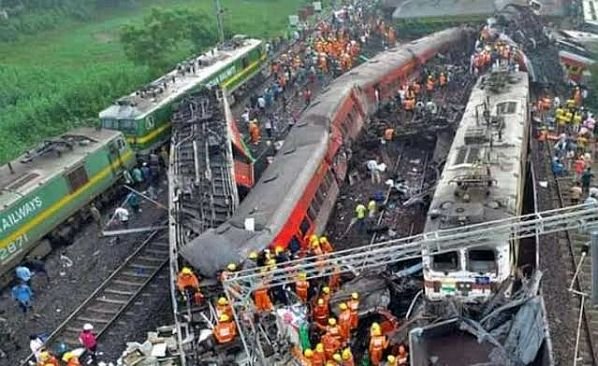
The recent train mishaps in Chhattisgarh have once again highlighted the growing infrastructure gaps in India’s Tier-3 cities. These cities, often left behind in the rush of urbanization, face challenges in transportation safety, urban planning, and disaster management. Addressing these issues is crucial for ensuring the safety, sustainability, and growth of these regions.
The Growing Infrastructure Gap in Tier-3 Cities
India’s Tier-3 cities, which include smaller towns and rural hubs, have long been neglected when it comes to infrastructure investment. While major metro areas like Delhi, Mumbai, and Bengaluru receive significant attention, smaller cities are struggling with outdated transportation systems, poor road conditions, and inadequate public facilities. The recent rail mishaps, such as the tragic incident in Chhattisgarh, underscore the consequences of this neglect. With a lack of modern safety measures, emergency preparedness, and efficient transport systems, these cities are vulnerable to avoidable disasters.
In addition to the physical infrastructure, urban planning in these cities often fails to account for future growth. The urban sprawl and population growth in these regions have not been matched with corresponding upgrades to transportation and utilities, leading to congestion, accidents, and slower economic development.
Train and Rail Infrastructure: Immediate Action Required
One of the most critical aspects of infrastructure lag in Tier-3 cities is the railway system. As demonstrated by the recent train mishap in Chhattisgarh, the current state of railway infrastructure in smaller cities is not adequate to handle the demands of increased population and economic activity. Many railway stations in Tier-3 cities are poorly maintained, lacking necessary safety measures such as modern signaling systems, surveillance cameras, and emergency response units.
To prevent future accidents, there is an urgent need to upgrade railway tracks, invest in better signal and communication systems, and modernize train stations. The government must prioritize the maintenance of existing infrastructure while also focusing on the introduction of new technologies that can help improve safety standards. Additionally, increasing the number of trained personnel and emergency responders at key railway hubs can help mitigate damage in case of mishaps.
Urban Planning and Public Transportation Improvements
Beyond rail infrastructure, urban planning and public transportation in Tier-3 cities also require immediate attention. With the rapid urbanization of smaller cities, the lack of effective public transportation systems makes mobility a significant issue. Inadequate bus services, poorly designed roads, and limited connectivity between urban and rural areas create daily challenges for residents. The absence of pedestrian-friendly infrastructure further exacerbates the situation, leading to increased traffic accidents and road fatalities.
Investing in public transportation networks, such as buses, metro services, and better road infrastructure, would significantly improve the quality of life for residents. This includes designing roads and streets that are safe for pedestrians, cyclists, and motorists alike, along with providing well-maintained, affordable public transit options.
Disaster Preparedness and Emergency Response
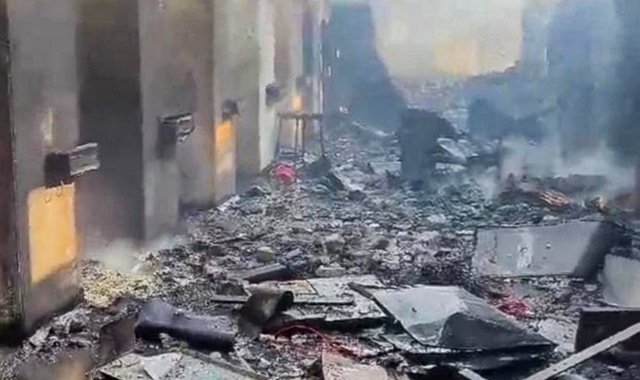
The Chhattisgarh train mishap also highlighted the need for better disaster preparedness and emergency response mechanisms in Tier-3 cities. These regions often lack the necessary infrastructure to respond effectively to disasters, be they natural or man-made. Emergency services, such as fire departments, ambulances, and medical facilities, are either underfunded or understaffed.
There needs to be a nationwide push to establish comprehensive emergency response systems in smaller cities. This includes creating dedicated disaster response units, improving the training of local authorities, and ensuring quick access to medical care for those affected by accidents. Additionally, strengthening the communication networks between various emergency services can help ensure faster responses and coordinated efforts during crises.
Local Economic Impact: Improving Infrastructure for Growth
The lack of infrastructure in Tier-3 cities doesn’t just hinder safety and quality of life; it also limits the economic potential of these regions. Without modern infrastructure, businesses are less likely to invest in these cities, leading to fewer job opportunities and a slower pace of economic development. Investing in transportation, public services, and emergency systems would not only improve safety but also promote local economic growth by attracting businesses and boosting tourism.
Furthermore, with better connectivity and infrastructure, local industries such as agriculture, manufacturing, and retail can benefit from streamlined logistics and supply chains. This would have a ripple effect, leading to more sustainable growth and development across the region.
The Way Forward: Integrated Development Strategies
To address the infrastructure lag in Tier-3 cities, an integrated approach to urban planning and development is essential. Governments must allocate more resources to small-town infrastructure and ensure that these areas are not left behind in the quest for modernization. Key focus areas should include upgrading transport networks, improving public services, and enhancing disaster management systems.
Incorporating technology and innovation into urban planning can also be a game-changer. Smart cities initiatives, which include the use of data to improve infrastructure management, could be adapted to smaller cities to streamline resource allocation and boost operational efficiency. Collaboration between government bodies, private sector players, and local communities will be key to driving these changes and ensuring long-term improvements.
Takeaways:
- The recent train mishap in Chhattisgarh underscores the urgent need for improved infrastructure in Tier-3 cities.
- Railway infrastructure needs immediate upgrades, including modern safety systems and better maintenance.
- Public transportation and urban planning require significant investment to address growing mobility challenges.
- Disaster preparedness and emergency response systems must be enhanced to prevent loss of life and property in smaller cities.
FAQs:
Q1: What role does infrastructure play in the development of Tier-3 cities?
Infrastructure is crucial for economic growth, safety, and quality of life in Tier-3 cities. Without modern transport, communication, and public services, these cities struggle to attract investment and provide essential services to their residents.
Q2: How can the government address the infrastructure lag in smaller cities?
The government must allocate funds to upgrade transportation systems, improve public services, and build emergency response infrastructure. Investment in both physical and digital infrastructure is essential to meet the growing demands of urbanization.
Q3: What are the challenges in improving rail infrastructure in Tier-3 cities?
Challenges include outdated railway tracks, poorly maintained stations, insufficient funding, and a lack of advanced safety technologies. Overcoming these requires large-scale investment in infrastructure upgrades and better coordination between the government and local authorities.
Q4: How can better infrastructure improve the local economy in Tier-3 cities?
Improved infrastructure leads to better connectivity, attracting businesses and boosting local industries. It creates job opportunities, supports supply chains, and encourages tourism, all of which contribute to economic growth.










Leave a comment