

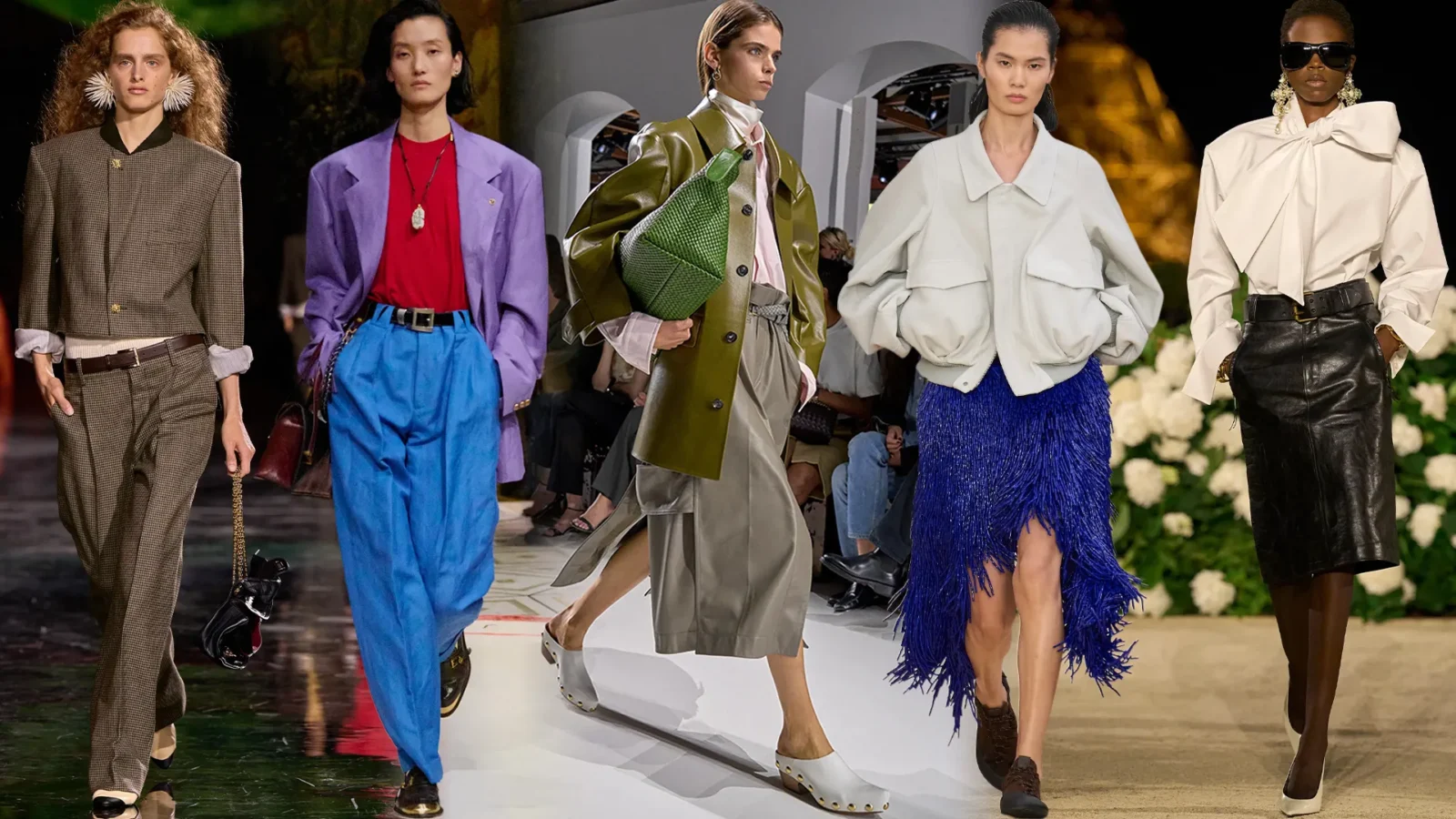
Local fashion scenes to watch in 2026 are emerging strongly from Nagpur, Jaipur, and Kochi, where micro brands are redefining regional style. These cities are no longer just cultural hubs but growing fashion ecosystems powered by digital commerce and young entrepreneurs.
Local fashion scenes to watch in 2026 reflect a structural shift in India’s apparel market. Instead of relying only on metro based designers, consumers are discovering independent labels from Tier 2 cities through Instagram stores, pop up exhibitions, and direct to consumer websites. Nagpur, Jaipur, and Kochi represent three distinct fashion identities shaped by geography, craft heritage, and youth driven experimentation.
Nagpur Micro Brands and Central India Streetwear
Nagpur’s fashion ecosystem is quietly expanding through streetwear labels and small batch apparel startups. The city’s growing student population and rising entrepreneurial interest have contributed to a demand for affordable yet distinctive clothing. Local micro brands are focusing on graphic tees, oversized silhouettes, and limited drop collections inspired by regional culture.
Digital first strategy is central to this growth. Most Nagpur based fashion startups operate through social media commerce and small scale online stores. Without heavy retail overheads, they can experiment with capsule collections and respond quickly to trends. Print on demand models reduce inventory risk and enable creative flexibility.
Nagpur’s geographic position in Central India also influences logistics. Many brands source fabrics from established textile markets and manufacture in small workshops. This keeps production costs controlled while maintaining quality standards. In 2026, more collaborations between local artists and apparel brands are expected, strengthening city specific fashion identity.
Jaipur Sustainable Fashion and Heritage Revival
Jaipur’s micro brands are rooted in heritage crafts but adapted for modern consumers. The city has long been associated with block printing, bandhani, and handcrafted textiles. What is changing in 2026 is the way these techniques are being positioned.
Young designers are launching sustainable fashion labels that combine traditional dyeing methods with contemporary cuts. Natural fabrics such as cotton and linen dominate collections. Many brands emphasize slow fashion principles, limited production runs, and transparent sourcing.
Tourism continues to support Jaipur’s retail scene, but e commerce has expanded customer reach beyond physical visitors. Micro brands are using storytelling around artisanship to connect with conscious buyers. Domestic consumers are increasingly aware of environmental impact, and Jaipur based labels are leveraging this shift.
The pricing strategy is also evolving. Instead of competing with mass market fast fashion, Jaipur micro brands are positioning themselves in the affordable premium segment. This allows sustainable production while remaining accessible to upper middle class consumers.
Kochi Contemporary Fusion and Coastal Aesthetics
Kochi’s local fashion scene is shaped by coastal culture, art spaces, and a strong design sensibility. The city’s exposure to global trade historically has influenced its aesthetic diversity. In 2026, Kochi micro brands are blending minimalist design with tropical palettes and relaxed silhouettes.
Linen co ord sets, breathable resort wear, and gender neutral pieces are common offerings. Kerala’s humid climate directly impacts fabric choices. Comfort driven design has become a core differentiator.
Kochi’s art and cultural festivals have also contributed to fashion visibility. Pop up exhibitions and design markets provide physical platforms for micro brands to showcase collections. Digital presence complements offline events. Many labels rely on small production batches to maintain exclusivity.
Export potential is another emerging theme. Some Kochi based micro brands are exploring international shipping, targeting diaspora communities and global consumers seeking Indian contemporary design.
Digital Commerce and Creator Led Fashion Growth
Across Nagpur, Jaipur, and Kochi, digital commerce remains the primary growth driver. Instagram shops, influencer collaborations, and targeted ads allow micro brands to compete with larger labels. Short form video content showcasing styling ideas improves conversion rates.
Creator led fashion is particularly influential. Micro influencers from these cities model local designs, making them relatable to regional audiences. This reduces dependence on traditional advertising.
Payment infrastructure and logistics networks have improved significantly across India. Reliable courier services and unified digital payment systems enable small brands to serve customers nationwide. The barrier to entry in fashion entrepreneurship has reduced compared to a decade ago.
Challenges Facing Micro Brands in 2026
Despite growth momentum, local fashion scenes face structural challenges. Scaling production without compromising quality is a common hurdle. Many micro brands rely on small tailoring units that may struggle with sudden demand spikes.
Price sensitivity in Tier 2 markets also requires careful positioning. Consumers seek value, and brand storytelling must justify pricing. Competition from established national brands remains strong.
Regulatory compliance, taxation, and supply chain consistency require professional management. As these micro brands grow, formalization becomes essential. However, founders with digital marketing backgrounds are increasingly investing in operational efficiency.
The Road Ahead for Regional Fashion Ecosystems
Local fashion scenes to watch in 2026 highlight decentralization of India’s fashion industry. Creative talent is no longer limited to Delhi or Mumbai. Regional pride, craft revival, and digital entrepreneurship are reshaping market dynamics.
Nagpur is building a streetwear identity rooted in youth culture. Jaipur is strengthening sustainable heritage fashion. Kochi is crafting a contemporary coastal aesthetic with global appeal. Together, these cities demonstrate how micro brands can scale influence without large capital backing.
For consumers, this shift offers diversity and authenticity. For entrepreneurs, it opens opportunities to build niche labels with strong community support. The next phase of growth will depend on how effectively these micro brands balance creativity with operational discipline.
Takeaways
• Nagpur, Jaipur, and Kochi are emerging as strong regional fashion ecosystems in 2026
• Digital first strategies enable micro brands to scale without large retail infrastructure
• Sustainable fashion and heritage crafts are central to Jaipur’s growth
• Streetwear and climate responsive design define Nagpur and Kochi trends
FAQs
Q1. What are micro brands in fashion
Micro brands are small independent labels that operate with limited production runs and primarily use digital platforms for sales and marketing.
Q2. Why are Tier 2 cities emerging in fashion
Improved internet access, logistics networks, and local entrepreneurship have enabled designers outside metros to reach national audiences.
Q3. Is sustainable fashion driving growth in Jaipur
Yes. Many Jaipur based labels combine traditional crafts with modern designs and eco conscious production methods.
Q4. How do these local brands compete with big labels
They focus on niche identity, limited drops, authentic storytelling, and direct engagement with customers through social media.










Leave a comment