

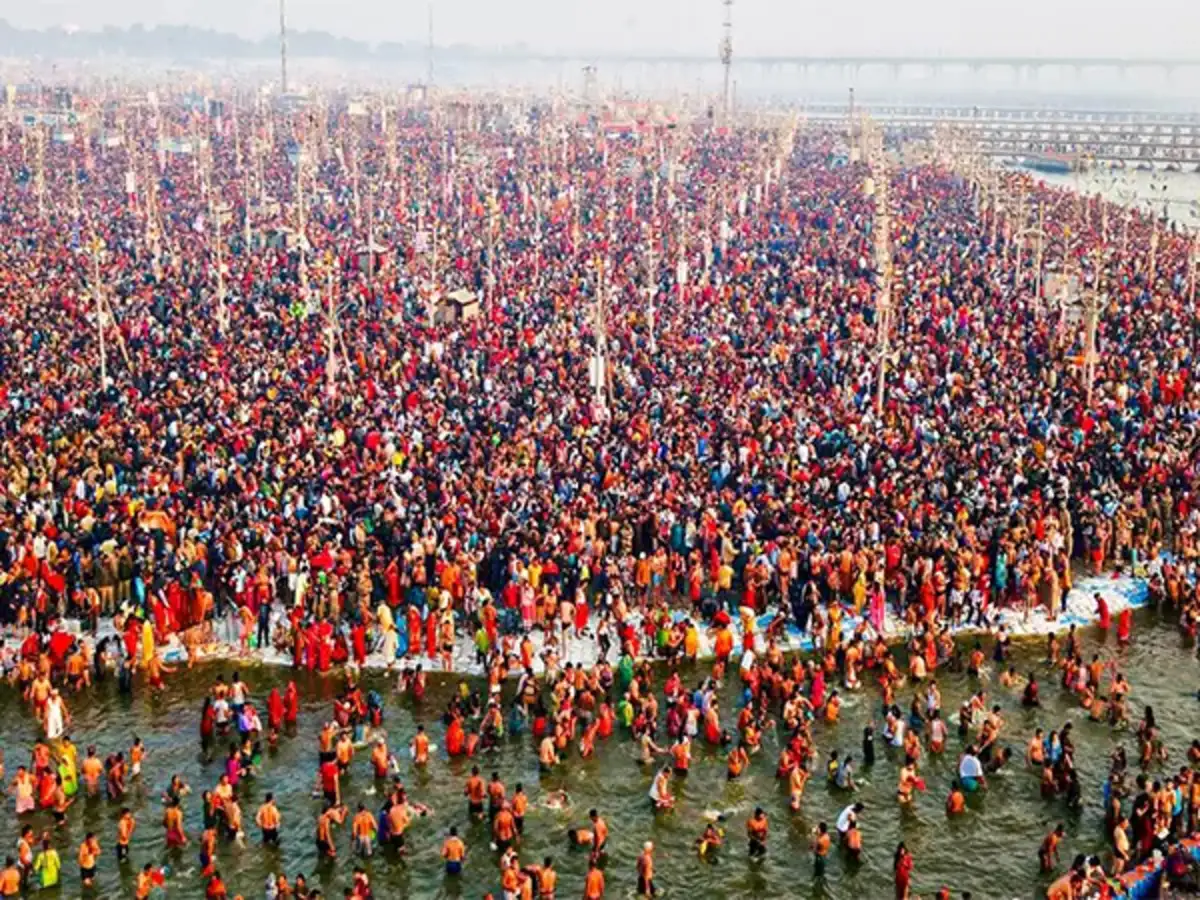
Magh Mela first day activity in Prayagraj sets the tone for crowd movement, safety preparedness, and local economic momentum during the month long religious gathering. Early indicators show heavy inflow, controlled traffic measures, and brisk business for local traders and service providers.
Short summary paragraph
The first day of Magh Mela in Prayagraj witnessed large pilgrim arrivals, strict traffic regulation, and heightened safety deployment. Alongside crowd management, the mela has begun generating economic activity for transport operators, vendors, and small businesses across the city.
Pilgrim inflow and first day crowd patterns
Magh Mela first day traditionally draws a surge of pilgrims arriving for early snan rituals and religious observances. From early morning hours, entry points into Prayagraj saw steady inflow from nearby districts and neighbouring states. Many devotees prefer the opening days to avoid peak bathing dates later in the month.
Crowd density remained concentrated near ghats, temporary camps, and key junctions connecting railway stations and bus terminals. Authorities anticipated this pattern and staggered entry routes to prevent bottlenecks. Compared to peak festival days, the first day crowd is more spread out but remains logistically demanding.
Pilgrim movement also reflected a mix of day visitors and longer stay groups. Akharas, religious groups, and elderly pilgrims formed a visible segment, influencing crowd pace and safety planning.
Traffic management and road diversions in Prayagraj
Traffic control remains one of the most visible challenges on Magh Mela first day. The administration implemented pre announced diversion plans across city roads leading to the mela area. Heavy vehicles were restricted from entering core zones, while designated parking corridors were activated on the outskirts.
Public transport services operated on extended schedules to accommodate demand. Shuttle services connected parking zones to mela entry points, reducing pressure on central roads. Despite these measures, congestion was reported during peak arrival hours, especially near railway crossings and arterial roads.
Local commuters experienced delays as city traffic mixed with pilgrim movement. Authorities advised residents to avoid non essential travel during peak windows. Overall traffic flow remained manageable, indicating that advance planning helped limit disruption.
Safety arrangements and crowd control measures
Safety preparedness on Magh Mela first day focuses on prevention rather than reaction. A large deployment of police, home guards, and civil defence volunteers was visible across the mela area. Surveillance systems, including control rooms and monitoring towers, were operational from early hours.
Barricading guided crowd movement toward ghats, reducing the risk of sudden surges. Medical camps and first aid posts were positioned at regular intervals to respond quickly to health emergencies. River safety teams and boat patrols monitored bathing zones continuously.
Announcements and signage played a crucial role in guiding pilgrims. Clear instructions helped reduce confusion, particularly for elderly visitors and first time attendees. The absence of major incidents on the first day reflects effective coordination among agencies.
Impact on local economy and daily earners
The Magh Mela first day has already triggered economic activity across Prayagraj. Transport operators, including auto drivers, boatmen, and e rickshaw services, reported increased demand from early morning. Temporary vendors selling food, religious items, and daily essentials saw steady footfall.
Hotels, dharamshalas, and guesthouses experienced higher occupancy, particularly budget accommodations catering to pilgrim groups. Local grocery shops and medical stores near the mela zone benefited from increased demand for essentials.
Small scale employment opportunities also emerged. Temporary workers were engaged for sanitation, tent management, security assistance, and logistics. For many daily wage earners, the mela period provides a critical income window.
Effect on residents and urban services
For city residents, Magh Mela first day brings a mixed impact. While business opportunities increase for some, routine mobility becomes more complex. Schools, offices, and markets adjusted timings to avoid peak congestion hours.
Municipal services faced increased pressure. Sanitation teams worked extended shifts to manage waste generated by pilgrims. Water supply and power infrastructure were monitored closely to prevent disruptions in residential areas.
Healthcare facilities remained on alert, balancing routine services with potential mela related emergencies. Coordination between city administration and mela authorities helped ensure that urban services continued with minimal disruption.
Lessons from first day execution
The first day often acts as a stress test for systems that will face heavier pressure on major bathing dates. Early observations suggest that decentralised parking, clear route segregation, and visible enforcement reduced chaos.
However, challenges remain. Communication gaps for outstation visitors unfamiliar with city layouts led to occasional confusion. Improving digital and on ground guidance could further ease movement in the coming days.
Feedback from the first day will inform adjustments in traffic timing, security deployment, and service allocation. Authorities typically fine tune arrangements after observing real world movement patterns.
What to expect in the coming days
As Magh Mela progresses, crowd volume is expected to rise steadily toward auspicious bathing dates. Traffic pressure will intensify, and safety arrangements will be tested further. Authorities are likely to tighten restrictions and expand controlled zones.
For the local economy, business activity will peak during weekends and key religious dates. Vendors and service providers are preparing for higher demand, while residents brace for prolonged disruption.
The first day has set a relatively stable baseline. Maintaining this balance between religious access, public safety, and city life will define the success of the entire mela period.
Takeaways
- Magh Mela first day saw heavy pilgrim inflow with manageable crowd movement.
- Traffic diversions reduced chaos but caused delays for local commuters.
- Safety arrangements focused on prevention and medical readiness.
- Local economy began benefiting through transport, lodging, and vending.
FAQs
Why is the first day of Magh Mela important?
It sets operational benchmarks for crowd control, traffic flow, and safety before peak bathing days.
Did traffic restrictions affect city residents?
Yes, some delays occurred, but advance planning helped keep disruption limited.
How does Magh Mela impact local businesses?
It boosts income for transport operators, vendors, hotels, and daily wage workers.
Will arrangements change after the first day?
Authorities usually adjust plans based on first day observations and crowd behaviour.











Leave a comment