

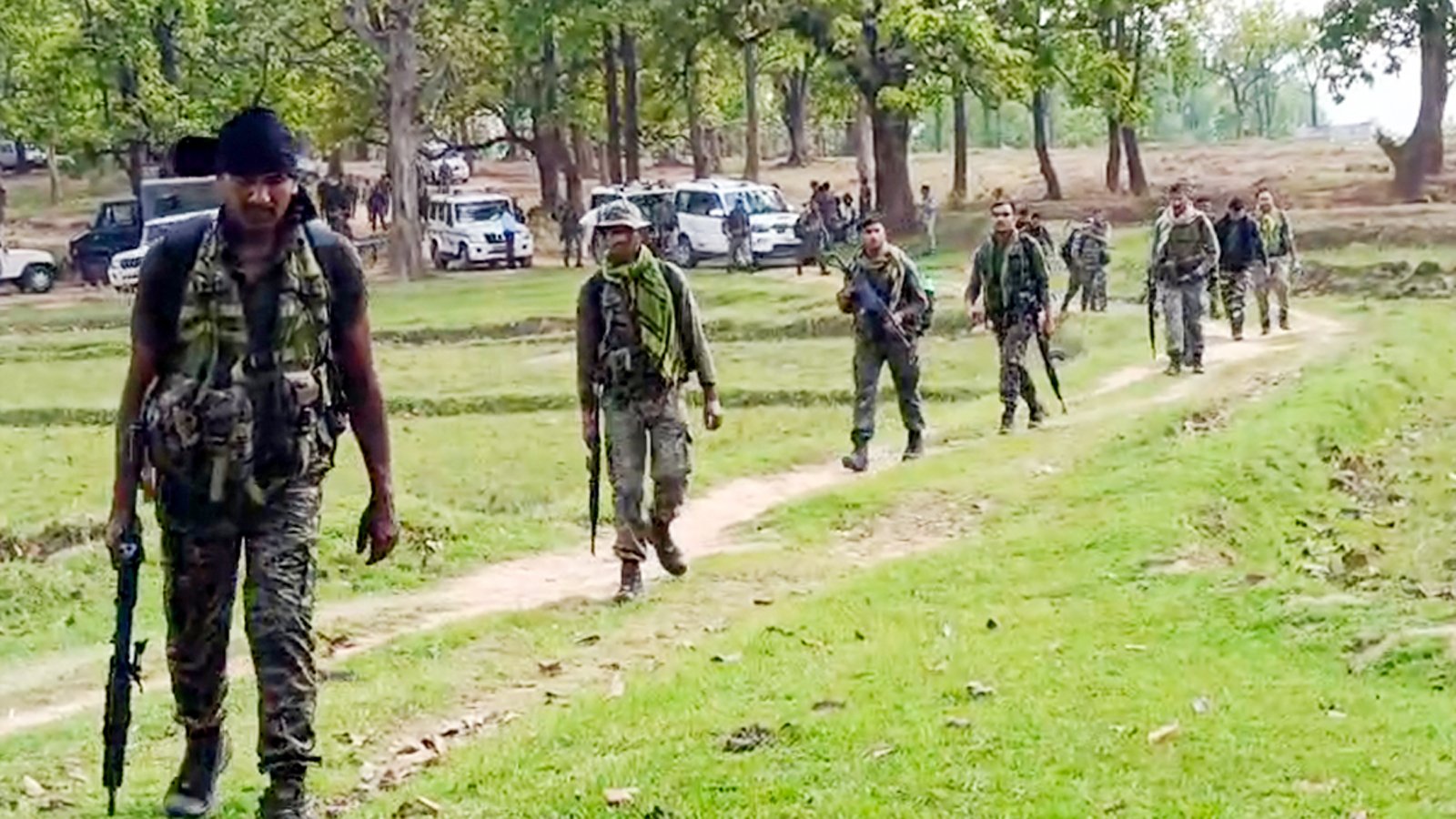
The Naxal catch in the Varanasi region has triggered renewed focus on rural security preparedness, intelligence coordination, and the evolving footprint of left wing extremism in eastern Uttar Pradesh, an area traditionally considered outside the core Red Corridor.
Security agencies confirmed the arrest of a suspected Naxal operative during a targeted operation, marking a rare but significant development for the Varanasi zone. While no major violence was reported, the incident has prompted authorities to reassess threat perceptions in border districts and rural belts connected to Maoist affected states.
Naxal catch in Varanasi region and what is known so far
The Naxal catch in the Varanasi region followed intelligence inputs suggesting the movement of extremist elements using rural transit routes. The arrested individual was reportedly active in logistical support, movement coordination, or ideological outreach rather than direct armed operations.
Officials indicated that the suspect had links to networks operating across state borders, particularly in regions adjoining Bihar, Jharkhand, and Chhattisgarh. The arrest took place without civilian casualties, reflecting a controlled and intelligence led operation.
While authorities have clarified that Varanasi is not an active Naxal base, the incident underscores how extremist groups occasionally exploit less monitored regions for regrouping, recruitment, or transit. The catch is being treated as a preventive success rather than evidence of local insurgent consolidation.
Why eastern Uttar Pradesh remains sensitive
Eastern Uttar Pradesh, including areas around Varanasi, sits close to districts that have historically faced left wing extremism. Though the state itself has seen limited Maoist violence compared to central India, porous borders and rural connectivity make selective infiltration possible.
Dense rural settlements, forested patches in adjoining regions, and economic distress pockets can be exploited for shelter or ideological outreach. Security agencies have long flagged the need for vigilance even in districts with no recent violent incidents.
The Naxal catch in the Varanasi region reinforces this assessment. It highlights that extremist movements are adaptive and opportunistic, relying on mobility and anonymity rather than territorial control in non core areas.
Policing response and intelligence coordination
Following the arrest, police and intelligence units intensified coordination across districts. Local police stations were instructed to review movement registers, monitor unfamiliar gatherings, and strengthen information flow from village level sources.
The Uttar Pradesh Police has invested heavily in intelligence based policing over recent years, focusing on early detection rather than reactive operations. This approach played a key role in identifying suspicious activity before it escalated.
Coordination with central agencies and neighbouring states has also been reinforced. Sharing of travel patterns, communication intercepts, and known sympathiser databases is being prioritised to prevent sleeper cells from gaining a foothold.
Rural security implications for villages and towns
The Naxal catch in the Varanasi region has direct implications for rural security planning. Villages near transport corridors, railway lines, and river routes are now under closer observation.
Authorities are working to ensure that increased surveillance does not disrupt daily life or create fear among residents. Community engagement remains central to this effort, with police outreach programmes aimed at encouraging cooperation without stigma.
Local leaders and panchayat representatives have been briefed on reporting mechanisms for suspicious activity. The emphasis is on awareness rather than alarm, ensuring that normal social and economic activity continues uninterrupted.
Preventive strategy versus visible force deployment
Unlike active conflict zones, the response in the Varanasi region is expected to remain discreet. Officials have ruled out heavy force deployment, instead relying on intelligence networks and targeted monitoring.
This strategy reflects lessons learned from other states, where excessive visible security presence sometimes disrupted civilian trust without delivering long term results. The focus remains on preventing extremist narratives from gaining traction rather than responding after violence occurs.
Policing efforts are also being aligned with development initiatives, recognising that security challenges in rural India are often linked to governance gaps rather than ideology alone.
Broader context of left wing extremism in India
Across India, left wing extremism has declined significantly over the past decade, with fewer incidents and shrinking influence zones. However, security agencies caution against complacency.
Isolated arrests such as the Naxal catch in the Varanasi region serve as reminders that extremist networks remain active at the margins. These groups often rely on low visibility operations, recruitment attempts, and logistical support rather than open confrontation.
Maintaining pressure through intelligence, development, and community trust remains the cornerstone of counter extremism policy.
What this means for Varanasi and surrounding districts
For Varanasi and neighbouring districts, the incident is unlikely to disrupt normalcy but will influence policing priorities. Enhanced monitoring, periodic intelligence reviews, and inter district coordination are expected to continue quietly.
Residents are unlikely to see major changes in daily security arrangements, but officials will remain alert to prevent misuse of rural spaces by extremist elements.
The episode reinforces the importance of early intervention and demonstrates that even regions outside traditional conflict zones must remain integrated into national security planning.
Takeaways
- The Naxal catch in the Varanasi region is a preventive intelligence success, not evidence of local insurgency.
- Eastern Uttar Pradesh remains sensitive due to proximity to Maoist affected states.
- Police response focuses on intelligence coordination rather than visible force deployment.
- Community engagement is central to maintaining rural security and trust.
FAQs
Was there any violent incident linked to the arrest
No, the operation was carried out without violence or civilian harm.
Does this mean Naxals are active in Varanasi
There is no indication of an active base, only limited movement or logistical presence.
How will rural areas be affected
Villages will see increased monitoring but no disruption to daily life.
What is the long term security approach
Early intelligence, inter state coordination, and community engagement remain the focus.












Leave a comment