

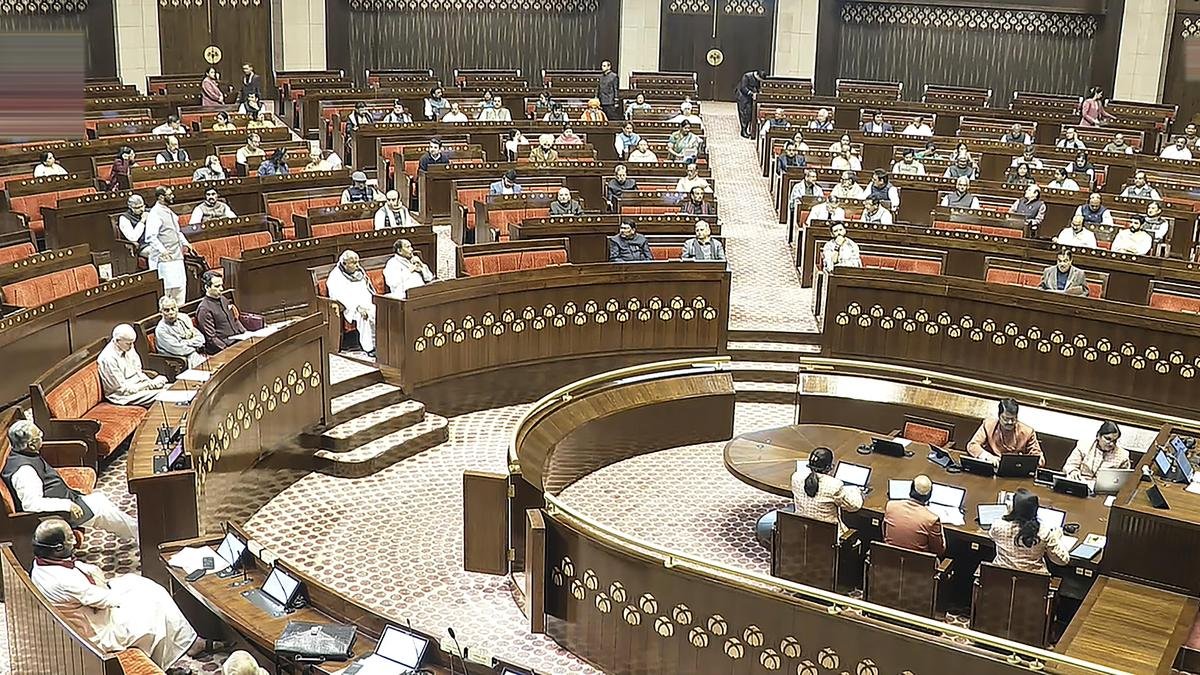
India’s Parliament vote to allow 100% foreign ownership in insurance marks a major shift in the country’s financial services framework, with direct implications for local insurance agents, policy buyers, jobs, and long term consumer trust. The decision signals a deeper opening of the insurance sector to global capital and control.
The move has triggered mixed reactions across the industry. While insurers and investors see growth potential, local agents and customers are weighing what this change means for livelihoods, pricing, service quality, and accountability. As implementation begins, its real impact will unfold on the ground rather than in boardrooms alone.
What the Parliament Vote Changes in Insurance
The Parliament vote clears the way for foreign insurers to own Indian insurance companies fully, removing the earlier ownership cap. This allows global players to operate without Indian joint venture partners and exercise complete management control.
For the market, this change aims to attract long term capital, advanced risk management practices, and global product innovation. India’s insurance penetration remains low compared to global averages, and policymakers view foreign investment as a way to expand coverage faster.
However, full ownership also shifts decision making away from domestic partners, raising questions about alignment with local realities and regulatory oversight.
Impact on Local Insurance Agents
Local insurance agents form the backbone of insurance distribution in India, especially in Tier 2 and Tier 3 towns. They rely on commissions, long term customer relationships, and trust built over years.
With 100% foreign ownership, insurers may push more digital and direct to consumer models to reduce costs. This could squeeze traditional agents, particularly those dependent on life insurance and long duration policies.
At the same time, some agents may benefit from better training, technology tools, and product portfolios if foreign firms invest in agent enablement. The risk lies in uneven adaptation, where digitally equipped agents thrive while others struggle to stay relevant.
Jobs and Employment Implications
The insurance sector employs millions directly and indirectly. Supporters of the policy argue that foreign ownership will create new jobs through expansion, new product lines, and deeper penetration into underserved regions.
However, job creation may not be evenly distributed. High skill roles in analytics, actuarial science, and management could grow faster than frontline sales roles. Automation and centralised operations may reduce the need for large agent networks over time.
For small town employment, the concern is whether foreign owned insurers will invest locally or prioritise efficiency over reach. The answer will depend on regulatory enforcement and market competition.
What Policy Buyers Need to Watch
For policy buyers, the immediate experience may not change overnight. Existing policies, terms, and claims processes remain protected under Indian insurance law and regulation.
Over time, consumers may see more diverse products, competitive pricing, and improved digital service. Global insurers bring experience in niche segments like cyber insurance, health riders, and customised life products.
The risk for consumers lies in transparency and grievance redressal. If decision making shifts offshore, delays or complexity in dispute resolution could affect trust. Strong regulatory supervision will be critical to ensure customer interests remain protected.
Consumer Trust and Regulatory Oversight
Insurance is built on trust, not just contracts. Indian consumers traditionally rely on personal agents rather than brands alone. Any perception that foreign ownership weakens accountability could hurt adoption.
Regulators will play a decisive role in maintaining consumer confidence. Clear service standards, strict claim settlement norms, and penalties for violations are essential to balance corporate freedom with public interest.
If oversight weakens, trust erosion could offset the benefits of increased capital and innovation. If oversight strengthens, foreign ownership could coexist with consumer protection.
Market Competition and Industry Structure
The entry of fully foreign owned insurers is likely to intensify competition. Domestic players may face pressure on margins, pushing consolidation or strategic partnerships.
For consumers, competition can improve choice and pricing. For smaller insurers and agents, it could mean survival depends on differentiation rather than scale alone.
In Tier 2 and Tier 3 markets, competition will test whether foreign insurers commit to long term market building or focus only on high value urban customers.
Long Term Economic Implications
From a macro perspective, the Parliament vote aligns with India’s broader push to integrate with global financial markets. Insurance plays a key role in mobilising savings, managing risk, and supporting economic stability.
If implemented well, higher foreign investment can strengthen balance sheets and improve resilience. If mismanaged, it could widen gaps between urban and rural coverage and weaken local employment structures.
The policy’s success will be measured not by capital inflow numbers but by coverage expansion, job quality, and consumer satisfaction.
What Happens Next on the Ground
The transition will be gradual. Existing insurers will reassess ownership structures, agents will adapt to new expectations, and consumers will judge changes based on service delivery.
State level impacts will vary depending on insurer presence and regulatory engagement. Small towns and semi urban markets will be the real test of whether 100% foreign ownership serves India’s broader insurance goals.
The debate now shifts from permission to performance.
Takeaways
- The Parliament vote allows full foreign control in Indian insurance companies
- Local agents may face pressure but also opportunities through technology and training
- Consumers could gain better products but must rely on strong regulatory protection
- Long term impact depends on how foreign insurers engage with non metro markets
FAQ
Will existing insurance policies be affected by this change?
No, existing policies and contractual terms remain protected under Indian law.
Does 100% foreign ownership mean Indian agents will lose jobs?
Not immediately, but the role of agents may evolve due to digital distribution and efficiency measures.
Can foreign insurers freely set prices and rules?
No, pricing and operations remain regulated by Indian insurance authorities.
Is this good or bad for consumers?
It can be positive if competition improves service and products, provided regulatory oversight remains strong.












Leave a comment