


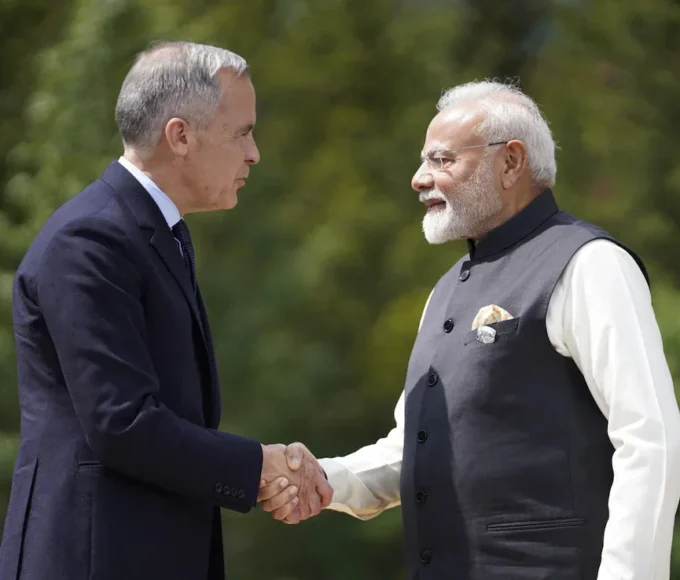
Prime Minister Narendra Modi’s two day visit to Israel has placed strategic trade and technology cooperation back in focus. Beyond diplomatic optics, the visit could unlock tangible gains for Tier 2 industries in manufacturing, agri tech, defence supply chains, and regional exports.
PM Modi’s two day visit to Israel comes at a time when India is accelerating partnerships in defence, agriculture, water management, and high technology. While bilateral ties have strengthened steadily since the diplomatic upgrade in 2017, this visit signals a push toward deeper industrial collaboration. For Tier 2 cities across India, the implications go beyond foreign policy and move directly into jobs, MSME growth, and export diversification.
India Israel Strategic Partnership Enters a New Phase
India and Israel share a strategic partnership spanning defence procurement, innovation, and agriculture. Israel has been among India’s key defence suppliers, particularly in missile systems, drones, radar technologies, and electronic warfare components. At the same time, joint working groups on agriculture and water management have enabled technology transfers to Indian states.
The current visit focuses on expanding cooperation in advanced manufacturing, artificial intelligence applications, cyber security, and clean technology. Agreements under discussion include joint research funds, startup exchange programs, and industrial collaboration frameworks. For Tier 2 cities such as Coimbatore, Indore, Nagpur, Surat, and Ludhiana, these sectors align with existing industrial clusters.
Defence Manufacturing and Tier 2 Industrial Clusters
One of the most direct beneficiaries could be Tier 2 defence manufacturing hubs. Under India’s push for indigenisation and the Make in India initiative, defence offsets and joint ventures often require local production partnerships.
Israeli defence firms typically collaborate with Indian private manufacturers for components and subsystem assembly. Cities like Hyderabad, Pune, and Coimbatore already host aerospace and defence suppliers. If new joint ventures are signed during the visit, smaller component manufacturers in Tier 2 cities could integrate into global supply chains.
This creates opportunities for MSMEs producing precision engineering parts, electronics assemblies, and composite materials. Increased localisation also reduces import dependency and strengthens export potential to friendly markets.
Agri Tech Collaboration and Regional Exports
Agriculture remains a strong pillar of India Israel cooperation. Israel is known for innovations in drip irrigation, desert farming, greenhouse cultivation, and water recycling. India has already set up multiple Centers of Excellence in partnership with Israeli experts across states.
Tier 2 regions with strong agri processing bases, such as Nashik, Vijayawada, and Hubballi, could benefit from expanded technology transfer. Improved irrigation efficiency and high yield cultivation directly impact horticulture exports including fruits, vegetables, and floriculture products.
If new MoUs enhance agri tech adoption, regional exporters may see better quality standards and higher productivity. This strengthens India’s position in Middle East and European agricultural markets.
Technology and Startup Ecosystem Spillover
Israel is widely recognised as a startup driven economy with strong expertise in cyber security, artificial intelligence, medical technology, and semiconductor design. India’s Tier 2 cities are increasingly nurturing startup ecosystems through incubators and state backed innovation policies.
Joint innovation funds and academic collaborations discussed during the visit could lead to cross border incubator programs. Engineering institutions in cities such as Jaipur, Ahmedabad, and Kochi may gain access to research partnerships, faculty exchange, and commercialisation channels.
For young entrepreneurs outside metro cities, exposure to Israeli venture networks and technology mentors can accelerate product development and global market access.
Water Management and Urban Infrastructure Benefits
Water scarcity and urban infrastructure stress are pressing concerns in many Tier 2 towns. Israel’s expertise in desalination, wastewater recycling, and smart water grids offers practical solutions.
If agreements include municipal cooperation or pilot projects, smaller Indian cities may implement water efficiency systems using Israeli models. This not only improves sustainability but also opens procurement contracts for local civil engineering and infrastructure companies.
Long term collaboration in smart city technologies could integrate sensors, data analytics, and AI based resource management into regional urban planning.
Trade Diversification and Export Strategy
Bilateral trade between India and Israel has diversified beyond diamonds into chemicals, electronics, machinery, and defence. Strengthening trade corridors during the visit can help Tier 2 exporters reduce over reliance on traditional markets.
Export oriented units in textile clusters like Tiruppur and Surat may benefit from easier technology access and improved compliance standards. Electronics and medical device manufacturers in Tier 2 belts can explore niche segments in the Israeli market.
Greater institutional cooperation also improves banking, logistics, and customs coordination, which directly impacts small and medium exporters.
Broader Economic Significance for Tier 2 India
The strategic significance of PM Modi’s two day visit to Israel lies in converting diplomatic goodwill into industrial depth. For Tier 2 India, the real gains will depend on how quickly agreements translate into contracts, joint ventures, and technology transfer programs.
If implemented effectively, the visit can strengthen defence manufacturing ecosystems, modernise agriculture, boost startup innovation, and diversify exports. That outcome would align foreign policy with regional economic development goals.
Takeaways
• Defence joint ventures can integrate Tier 2 MSMEs into global supply chains
• Agri tech collaboration may enhance productivity and export quality in regional clusters
• Startup partnerships can give non metro innovators global exposure
• Water and urban tech cooperation could modernise infrastructure in smaller cities
FAQs
Q1. Why is Israel important for India’s defence sector?
Israel supplies advanced defence technologies including missile systems, drones, and surveillance equipment, often in partnership with Indian manufacturers.
Q2. How can Tier 2 cities benefit from this visit?
Through defence offsets, agri tech transfer, startup collaboration, and export diversification, regional industries can gain contracts and technology access.
Q3. What sectors are likely to see immediate impact?
Defence manufacturing, irrigation technology, cyber security, and electronics manufacturing are among the most likely sectors.
Q4. Does this visit affect small exporters?
Yes. Stronger trade ties and technology partnerships can improve product standards, market access, and supply chain integration for MSMEs.










Leave a comment