

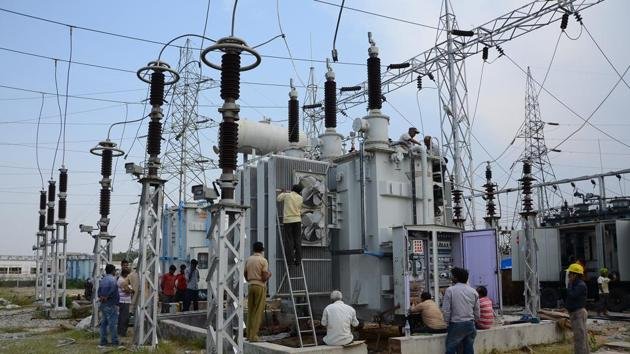
Power sector investments in Jharkhand and Bihar are gaining momentum, with new generation, transmission, and distribution projects reshaping local economies. These developments are expected to improve electricity reliability, create jobs, and strengthen infrastructure in two fast evolving eastern states.
Power sector investments in Jharkhand and Bihar have become central to regional development planning. Both states have historically faced power shortages, distribution losses, and infrastructure gaps. Over the past few years, state utilities and central agencies have pushed upgrades in thermal generation, renewable capacity, and transmission networks. The current wave of investment is not limited to large plants. It also includes substation upgrades, rural electrification strengthening, and smart metering initiatives. For residents and businesses, the impact extends beyond electricity supply into employment, industrial growth, and improved public services.
Thermal and Renewable Projects Driving Capacity Expansion
Jharkhand has long been known for its coal reserves and thermal power generation. Several thermal plants in the state contribute to both local consumption and interstate supply. Recent investments focus on modernizing older units, improving efficiency, and reducing emissions. Renovation and modernization projects help extend plant life while complying with environmental norms.
Bihar, which depends significantly on power purchases from other states, has prioritized adding new generation capacity and strengthening its share in central generating stations. At the same time, both states are expanding solar power. Grid connected solar parks and rooftop solar schemes are gaining traction. Renewable energy integration supports peak load management and reduces dependence on coal based imports. The combined strategy of thermal stability and renewable growth aims to ensure reliable supply for households and industries.
Transmission Infrastructure and Grid Modernization
Investments in transmission infrastructure are equally significant. High voltage transmission lines connecting generation hubs in Jharkhand to load centers in Bihar and other regions reduce bottlenecks. New substations and upgraded transformers improve voltage stability in semi urban and rural districts.
Grid modernization efforts include digital monitoring systems and supervisory control technologies. These upgrades allow utilities to detect faults quickly and reduce outage durations. For industrial clusters in cities such as Dhanbad, Ranchi, Patna, and Muzaffarpur, consistent voltage and lower downtime directly influence productivity.
Strengthened transmission networks also support future industrial corridors and logistics parks planned in eastern India. Reliable power is often the first requirement for attracting manufacturing investment.
Local Job Creation and Skill Development
Power sector projects generate employment at multiple levels. During the construction phase of thermal plants, solar parks, and substations, demand rises for civil engineers, electricians, welders, machine operators, and contract labor. Local contractors often participate in ancillary works such as road connectivity and site preparation.
In the operational phase, plants require skilled technicians, control room operators, maintenance staff, and safety officers. Training institutes and industrial training centers in Jharkhand and Bihar benefit from increased demand for technical courses related to electrical systems and power plant operations.
Indirect employment also expands. Improved electricity reliability supports small scale industries, cold storage units, rice mills, and agro processing facilities. This multiplier effect can be significant in districts where agriculture and mining dominate the economy.
Impact on Rural Electrification and Public Services
Both states have made progress in household electrification over the last decade. However, supply quality has often lagged behind connectivity. Investments in distribution infrastructure aim to improve feeder separation, reduce technical losses, and strengthen last mile networks.
Better power supply directly affects public services. Schools can run digital classrooms without frequent outages. Primary health centers can store vaccines safely and operate diagnostic equipment consistently. Water supply systems, which rely on electric pumps, become more reliable in smaller towns and panchayats.
For rural entrepreneurs, uninterrupted electricity reduces dependence on diesel generators, cutting operating costs and pollution. Over time, this improves the viability of micro enterprises in Tier 2 and Tier 3 districts.
Financial Reforms and Smart Meter Rollout
Distribution companies in Jharkhand and Bihar have historically faced high aggregate technical and commercial losses. To address this, investments now include smart meter rollouts and billing system upgrades. Smart meters allow real time consumption tracking and reduce manual errors in billing.
Improved billing efficiency enhances revenue collection for state utilities. Financially healthier distribution companies can reinvest in infrastructure upgrades and maintenance. This cycle is critical for long term sustainability of the power sector.
Consumers also benefit from transparent billing and the ability to monitor usage. Over time, energy efficiency awareness may increase as households gain better visibility into consumption patterns.
Challenges and Long Term Outlook
Despite progress, challenges remain. Land acquisition for large projects can face delays. Environmental clearances and rehabilitation concerns require careful handling. Distribution losses and unpaid dues from certain consumer categories still strain finances.
However, the broader trajectory points toward modernization and expansion. As eastern India positions itself for industrial growth, reliable power becomes a foundational requirement. Jharkhand’s resource base and Bihar’s large consumer market create complementary opportunities.
If investments continue with policy stability and effective execution, the power sector in these states can shift from being a constraint to becoming a growth driver.
Takeaways
• Power sector investments are expanding generation, transmission, and distribution capacity in both states
• Local jobs are created during construction and long term plant operations
• Improved electricity reliability supports small industries and public services
• Smart meters and financial reforms aim to strengthen distribution companies
FAQs
Q1. How do power sector investments create local jobs?
They generate employment during construction of plants and substations and in long term operations, maintenance, and technical services.
Q2. Are renewable projects part of the investment push?
Yes. Solar parks and rooftop solar schemes are being expanded alongside thermal upgrades to diversify the energy mix.
Q3. How does improved transmission infrastructure help consumers?
Stronger transmission and substations reduce voltage fluctuations and outages, ensuring more stable power supply.
Q4. What is the role of smart meters in these states?
Smart meters improve billing accuracy, reduce losses, and help utilities monitor consumption in real time, strengthening financial sustainability.












Leave a comment