

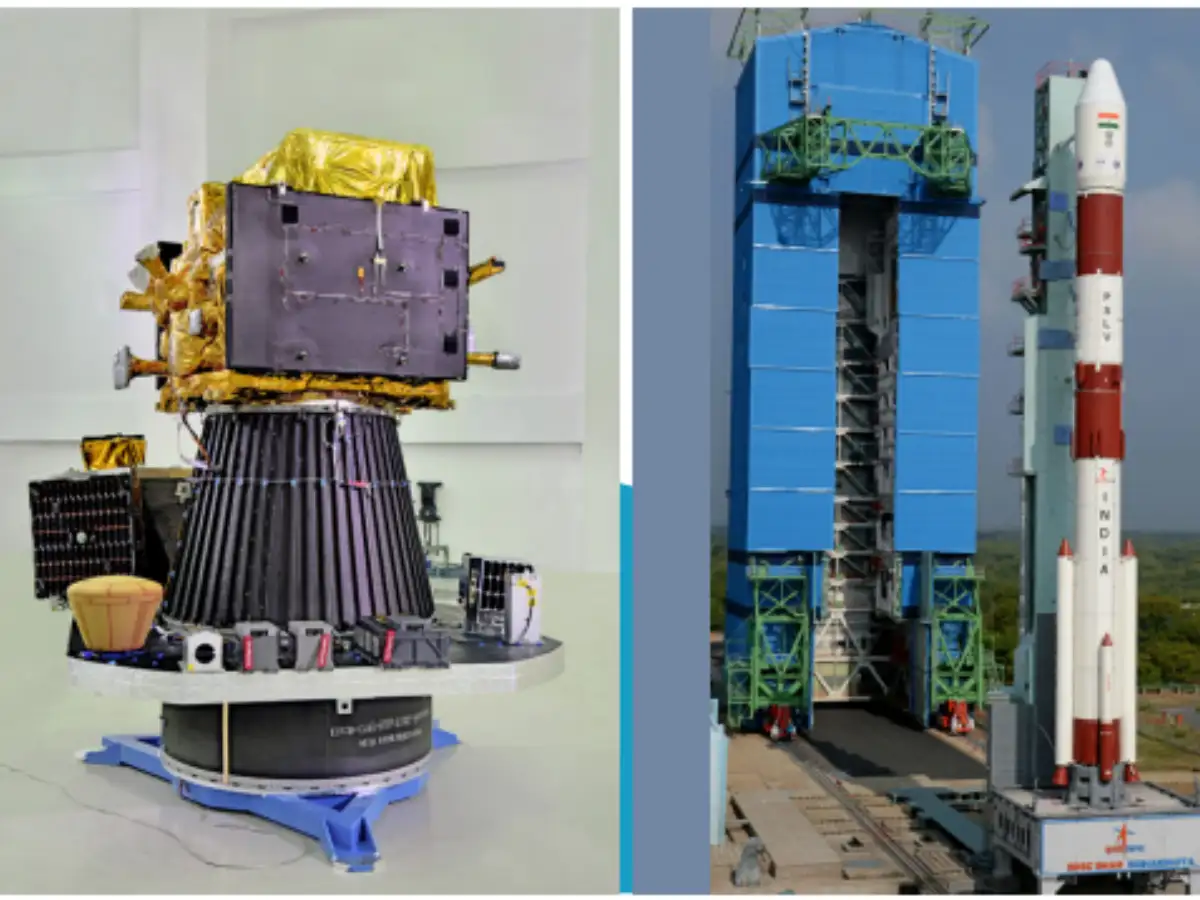
India is preparing for the PSLV-C62 launch, and the mission is being closely watched by satellite technology startups across the country. The flight is expected to place multiple payloads into precise orbits, reinforcing ISRO’s role as a dependable launch provider and shaping near-term opportunities for private space companies.
The upcoming mission is not just another rocket launch. It reflects how India’s space program is steadily aligning with commercial needs, especially for startups building small satellites, Earth observation platforms, and downstream data services.
PSLV-C62 mission overview and payload focus
PSLV-C62 is part of ISRO’s proven Polar Satellite Launch Vehicle series, known globally for accuracy and cost efficiency. The mission is designed to deploy satellites into low Earth and sun synchronous orbits, which are critical for Earth imaging, climate monitoring, communications, and navigation support.
For startups, this matters because most Indian private satellite companies operate in the smallsat and microsat category. PSLV missions typically carry payloads ranging from student satellites to commercial Earth observation spacecraft, offering a reliable ride to orbit without the pricing volatility seen in international launch markets.
The consistency of PSLV missions also reduces launch uncertainty, which is a major risk factor for early stage space startups.
What PSLV-C62 signals for India’s private space ecosystem
The PSLV-C62 launch comes at a time when India’s space sector is transitioning from a state led model to a public private partnership structure. Regulatory clarity through IN-SPACe and policy reforms has already allowed startups to design, build, and operate satellites independently.
This mission reinforces three signals for the ecosystem. First, ISRO continues to anchor launch reliability while private players scale up manufacturing and payload innovation. Second, it shows that launch cadence remains stable, which helps startups plan satellite constellations. Third, it strengthens India’s credibility with international customers seeking affordable launch options.
For satellite tech founders, this environment lowers capital risk and improves investor confidence.
Opportunities for satellite tech startups after PSLV-C62
PSLV-C62 is expected to directly and indirectly benefit startups working across satellite design, subsystems, and data applications. Earth observation startups gain more orbital slots for imaging payloads focused on agriculture, disaster management, and urban planning. Communication satellite startups can test narrowband and IoT-focused payloads with lower launch costs.
There is also growing demand for payload integration services, ground station software, and mission analytics. Startups providing onboard AI processing, propulsion subsystems, or thermal control technologies gain validation when their hardware flies on a national mission.
Each successful launch reduces the perception gap between Indian and global space vendors.
How PSLV-C62 affects global competitiveness of Indian startups
Globally, the small satellite launch market is crowded, with new launch vehicles still struggling to prove reliability. PSLV’s track record gives Indian startups an advantage when pitching to overseas clients who value mission success over experimental pricing.
PSLV-C62 further positions India as a launch destination for foreign smallsat operators, which creates collaboration opportunities for domestic startups in satellite assembly, testing, and data partnerships. This cross-border demand can accelerate revenue generation without requiring startups to depend entirely on government contracts.
In simple terms, every successful PSLV mission strengthens the sales narrative for Indian space companies.
Long term implications for India’s space economy
Beyond the immediate launch, PSLV-C62 fits into a larger shift where ISRO gradually moves toward more advanced missions while enabling the private sector to handle routine satellite launches and services. This transition is essential for scaling India’s space economy beyond research missions.
For startups, the long-term benefit lies in predictable access to space, standardized launch interfaces, and deeper integration with global satellite markets. PSLV missions act as a bridge until private Indian launch vehicles reach operational maturity.
The outcome is a more balanced and commercially driven space ecosystem.
Takeaways
PSLV-C62 strengthens India’s reputation for reliable and cost effective satellite launches
The mission directly supports small satellite and Earth observation startups
Stable launch cadence reduces risk for early stage space companies
Successful PSLV flights improve global trust in Indian satellite vendors
FAQs
What is the main purpose of the PSLV-C62 mission?
The mission is designed to deploy satellites into precise low Earth and sun synchronous orbits, supporting Earth observation, communication, and research applications.
Why is PSLV important for satellite startups?
PSLV offers proven reliability and affordable access to space, which is crucial for startups operating on limited capital and tight deployment timelines.
Does PSLV-C62 involve private companies?
While ISRO leads the launch, many payloads, subsystems, and services are developed by private Indian startups and industry partners.
How does this launch impact India’s space startup funding?
Consistent mission success improves investor confidence by reducing technical and operational risk associated with satellite deployment.












Leave a comment