

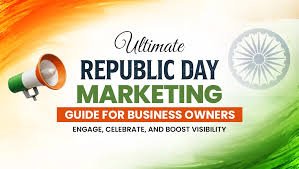
Republic Day sale season content strategies have become a major revenue driver for Indian influencers as platforms see sharp promotional spikes every January. With bundled data offers, short sale windows, and aggressive brand budgets, creators are no longer improvising. They are running structured, performance-led content plans.
This topic is time sensitive and news driven. The current Republic Day sale cycle across ecommerce, fintech, and quick commerce platforms is actively shaping influencer behavior, pricing models, and content formats.
How Republic Day sale spikes reshape influencer planning
Republic Day sales are among the top three ecommerce events in India, alongside festive sales and year end deals. For influencers, this period delivers a predictable surge in brand briefs, CPM rates, and affiliate commissions.
Unlike festival sales that lean emotional, Republic Day content is utility focused. Influencers prioritize deal explainers, comparison reels, and bundled offer breakdowns. The goal is conversion, not brand storytelling.
Creators now plan sale calendars at least two weeks in advance. Content is batched, scripted, and mapped to platform algorithms. Instagram Reels, YouTube Shorts, and Telegram deal drops dominate because they allow fast updates when prices change.
Bundled data and offer stacking as content hooks
Bundled data has emerged as a key angle this sale season. Telecom packs, OTT subscriptions, bank card discounts, and no cost EMI offers are increasingly combined into single purchase narratives.
Influencers are turning these bundles into simplified content formats. For example, a smartphone reel now highlights device price, card cashback, OTT access, warranty extension, and data benefits in one scroll. This reduces friction for buyers and increases click through rates.
Finance and tech influencers are also explaining effective prices instead of headline discounts. This builds trust and positions the creator as a decision helper rather than a promoter.
Platform specific strategies driving higher payouts
Different platforms reward different behaviors during Republic Day sales. Influencers are adjusting accordingly.
On Instagram, creators are publishing multiple short reels per day, each focused on a single product or category. Speed matters more than polish. Trending audio is secondary to clarity and price visibility.
On YouTube, long form sale guides and Shorts work together. A detailed video explains best deals while Shorts push urgency with time bound offers. This combination improves watch time and affiliate conversions.
Telegram and WhatsApp channels are seeing renewed importance. Influencers with deal groups are monetizing through affiliate links and direct brand partnerships because these platforms capture high intent users.
How brands are changing influencer contracts this season
Brands are no longer paying only for reach during Republic Day sales. Performance linked payouts are becoming common. Many contracts now include hybrid models with fixed fees plus conversion bonuses.
This shift favors influencers with niche audiences and clear buying influence. Tier two and tier three city creators are benefiting because their audiences actively shop during sales and are price sensitive.
Brands are also pushing exclusivity windows. Influencers are asked to promote one platform per category during peak sale hours. This increases payout potential but requires careful content scheduling.
Data driven content decisions behind the scenes
Influencers are relying heavily on past sale data to guide content choices. Metrics from previous Republic Day and Diwali sales are used to predict category demand.
Electronics, home appliances, fashion basics, and daily essentials consistently outperform luxury segments. Creators are prioritizing these categories to maximize earnings.
Posting time data also matters. Early morning and late night slots show higher conversion during sales as users actively track deals. Influencers are adjusting upload times instead of relying on default posting schedules.
Risks and saturation challenges during sale season
While Republic Day sales bring revenue, they also bring saturation. Audiences are exposed to repetitive deal content, leading to fatigue.
To counter this, smarter influencers are adding value layers. Examples include honest downside mentions, return policy explanations, and stock availability alerts. This differentiates their content and protects long term trust.
There is also increased scrutiny on misleading pricing. Influencers who exaggerate discounts risk audience backlash and platform penalties. Compliance and clarity are now part of reputation management.
Takeaways
Republic Day sale season is now a planned revenue event for influencers, not an ad hoc opportunity
Bundled data and offer stacking have become the strongest content hooks
Performance based contracts are reshaping influencer earnings and strategy
Trust driven, utility focused content outperforms hype driven promotion
FAQs
Why is Republic Day sale season important for influencers?
It delivers high traffic, strong buying intent, and increased brand budgets within a short window, making it one of the most profitable periods of the year.
What type of content performs best during these sales?
Short form deal explainers, price comparisons, and bundled offer breakdowns perform best due to their clarity and conversion focus.
Are Tier two and Tier three influencers benefiting from these sales?
Yes. Brands value their high intent audiences and localized trust, leading to better conversion driven partnerships.
Is affiliate income higher during Republic Day sales?
In most cases, yes. Higher traffic and urgency significantly boost affiliate clicks and completed purchases.










Leave a comment