

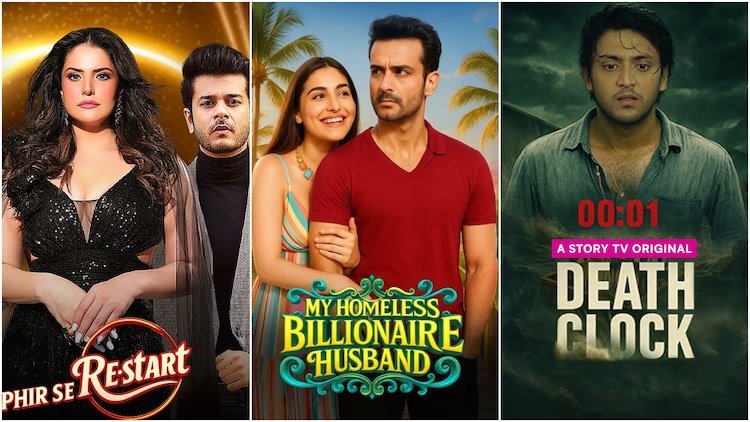
Short films and digital storytelling have moved from the fringes to the center of OTT strategy, explaining why platforms like Netflix are investing heavily in micro features. These compact formats reflect changing viewer behavior, cost discipline and the need for creative experimentation in a saturated content market.
This is an evergreen industry shift rather than a momentary trend. Platforms are recalibrating how stories are told, consumed and monetized in an era of limited attention spans and rising production costs.
Understanding Micro Features In The OTT Ecosystem
Micro features typically range between 15 to 45 minutes and sit between traditional short films and full length movies. They are not trailers, sketches or episodic series. They are complete narratives designed for single sitting consumption.
For platforms, this format solves multiple problems. It reduces financial risk, accelerates production timelines and allows faster audience feedback. For viewers, it offers commitment free storytelling that fits into daily routines.
Short films and digital storytelling in this format appeal strongly to mobile first audiences who prefer content that feels complete without demanding extended time investment.
Why Netflix And Other Platforms Are Backing Short Films
Netflix and similar platforms operate in a mature subscriber market where growth is driven by retention rather than sign ups. Micro features help keep libraries fresh without overwhelming users.
These formats allow platforms to experiment with new genres, themes and creators without committing to large budgets. A successful micro feature can later be expanded into a series or full length film, while an underperforming one exits quietly.
Another factor is global scalability. Short films travel better across languages and cultures. Subtitled micro features face lower resistance compared to multi season series that require sustained engagement.
Cost Efficiency And Creative Flexibility
From a production standpoint, short films offer high creative density. Writers are forced to focus on core conflict and character arcs without filler. This often results in sharper storytelling.
Budgets are controlled without compromising cinematic quality. This makes micro features ideal for testing new directors, debut actors and unconventional narratives.
Platforms also benefit from faster turnaround cycles. Instead of waiting years between greenlight and release, short films can move from script to screen within months, keeping content pipelines active.
Changing Audience Consumption Patterns
Audience behavior has shifted decisively toward intentional viewing. Users no longer browse endlessly. They choose content based on mood, time availability and perceived effort.
Short films and digital storytelling fit perfectly into this decision matrix. Viewers are more willing to try unfamiliar stories when the time commitment is low.
Completion rates for micro features are typically higher than long form content. This improves engagement metrics and algorithmic visibility, making short films more discoverable on home screens.
Younger audiences in particular respond well to this format. Gen Z viewers value originality and pace over star power and scale.
Creative Freedom And Risk Taking
Micro features allow platforms to support stories that may not survive traditional commercial scrutiny. Themes that are introspective, experimental or socially nuanced find space in short formats.
Filmmakers benefit from reduced pressure to justify scale. They can focus on atmosphere, dialogue and character rather than box office viability.
This has led to a resurgence of author driven storytelling. Directors and writers who were earlier limited to film festivals now find global audiences through OTT short films.
For platforms, this creative credibility enhances brand perception and positions them as enablers of storytelling rather than just distributors.
Strategic Role In Content Libraries
Short films are not standalone experiments. They are increasingly being used as strategic assets within OTT libraries.
They fill content gaps between major releases, keeping users engaged during quieter periods. They also improve content diversity, which is critical for recommendation systems.
Micro features are often grouped into curated collections, encouraging binge discovery without long term commitment. This increases session duration and reduces churn.
In some cases, successful short films act as proof of concept for larger projects, reducing development risk.
Indian Market Relevance
In India, short films and digital storytelling resonate strongly due to linguistic diversity and regional storytelling traditions. Micro features allow platforms to test regional narratives without heavy localization costs.
They also align with mobile consumption patterns prevalent in Tier 2 and Tier 3 markets. Short formats reduce data usage concerns and fit fragmented viewing habits.
Indian creators benefit from the opportunity to tell culturally specific stories without needing pan India scale appeal. This has expanded representation across regions and social contexts.
Long Term Outlook For Micro Features
Micro features are not replacing long form cinema or series. They are complementing them.
As content fatigue grows, platforms will increasingly rely on format diversity to maintain engagement. Short films will coexist with series and films, serving different viewer needs.
The success of this strategy depends on quality control. Audiences will reject filler even in short formats. Platforms that treat micro features as serious storytelling vehicles will see sustained returns.
Takeaways
- Short films reduce risk while increasing creative experimentation
- Micro features align with modern attention spans and mobile viewing
- Platforms use short formats to test stories and talent
- Indian audiences are driving demand for compact regional narratives
FAQs
What are micro features on OTT platforms?
They are short films typically lasting under 45 minutes that deliver complete narratives in a single viewing.
Why is Netflix investing in short films?
They help retain users, test new ideas and refresh content libraries with lower cost and faster production cycles.
Do short films perform well with audiences?
Yes. They often have higher completion rates and stronger engagement due to lower time commitment.
Will short films replace full length movies?
No. They serve a different purpose and complement long form content rather than replacing it.











Leave a comment