

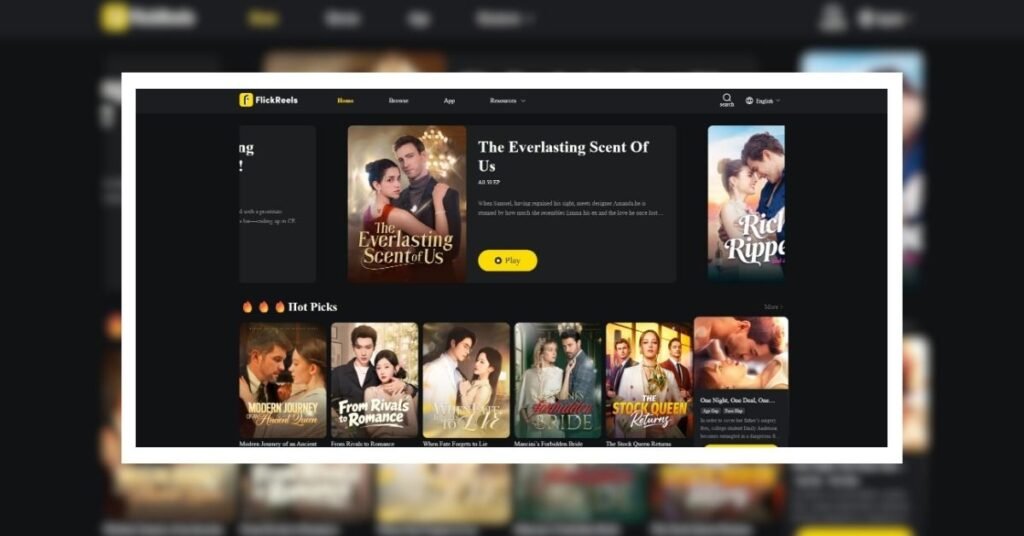
Short form drama and the youth attention economy are redefining what Tier 2 audiences are bingeing across India. Fast paced episodes, mobile first storytelling and regional narratives are driving high engagement among young viewers outside metro cities.
Short form drama and the youth attention economy are now tightly linked, especially in Tier 2 India where smartphone led consumption defines entertainment habits. Young viewers in cities such as Indore, Surat, Lucknow and Coimbatore are spending more time on compact video narratives that fit into fragmented daily schedules. This shift is altering OTT commissioning patterns and content monetisation models.
The rise of short duration episodes is not accidental. It is a response to shrinking attention spans, algorithm driven discovery and mobile centric viewing behavior.
Understanding the Youth Attention Economy
The youth attention economy refers to the competition for limited viewer focus in a digital environment saturated with content. Social media feeds, short video platforms and gaming apps constantly vie for time. In this landscape, long form storytelling faces structural challenges.
Short form drama addresses this by delivering compact episodes, often between 8 and 20 minutes. The narrative arc is sharper. Cliffhangers appear frequently. Characters are introduced quickly. This format aligns with how young audiences consume content between college classes, commute hours or short breaks.
Tier 2 youth are not fundamentally different from metro viewers in digital habits. However, lower cinema penetration and fewer live entertainment options can increase reliance on mobile streaming for daily engagement.
What Tier 2 Audiences Are Bingeing
Tier 2 audiences are bingeing short form crime thrillers, romantic mini series, campus dramas and aspirational stories rooted in smaller cities. Regional language short dramas have gained traction in Hindi, Tamil, Telugu and Marathi markets.
Campus based narratives resonate strongly. Many Tier 2 cities host large student populations preparing for competitive exams or pursuing professional degrees. Storylines depicting hostel life, friendship conflicts and early career struggles mirror lived experiences.
Short crime anthologies are also popular. These series often focus on local law enforcement, cyber scams or domestic disputes. The shorter format allows episodic storytelling without heavy production costs.
Regional platforms and independent digital studios are capitalising on this demand by producing tightly budgeted, fast moving scripts tailored to specific demographics.
Mobile First Streaming and Platform Strategy
Mobile first streaming is central to short form drama growth. In Tier 2 markets, smartphones remain the primary entertainment device. Even where smart TVs are present, personal viewing on mobile offers privacy and flexibility.
OTT platforms have adapted by optimising apps for low data usage and fast loading times. Download features are heavily promoted. Some platforms release multiple short episodes weekly to maintain algorithm visibility and sustain viewer interest.
The youth attention economy rewards frequency and immediacy. Platforms that release content in quick cycles often outperform those relying solely on high budget seasonal releases.
Social Media Integration and Virality
Short form drama thrives on social media integration. Clips, dialogues and emotional scenes are repurposed as reels and short videos. This cross platform circulation fuels organic discovery.
Tier 2 youth audiences are highly active on short video platforms. When a dramatic moment trends online, it drives traffic back to the full episode. This loop strengthens binge behavior.
Unlike traditional television marketing, digital word of mouth spreads rapidly. A relatable line in a campus drama or a suspenseful twist in a crime short can trigger immediate spikes in viewership.
Economic Logic Behind Short Format Production
From a production perspective, short form drama is cost efficient. Smaller episode lengths reduce location expenses, cast requirements and post production timelines. This allows experimentation with new actors and emerging writers.
For regional content creators in Tier 2 cities, entry barriers are lower. Independent studios can produce mini series without the financial scale required for large OTT originals.
Advertising integration is also smoother in short episodes. Mid roll placements are less intrusive due to shorter durations, and branded content can be embedded within storylines.
Challenges in Sustaining Viewer Loyalty
While short form drama aligns with the youth attention economy, retention remains a challenge. Rapid content cycles can lead to oversaturation. Viewers may consume quickly and move on.
To counter this, platforms are investing in recurring characters and interconnected story universes. Even in short formats, emotional continuity is crucial.
Quality control is another concern. Fast production schedules can compromise writing depth. Audiences quickly disengage if scripts feel repetitive or predictable.
Future of Short Form Drama in Tier 2 India
Short form drama is likely to remain central to Tier 2 youth entertainment patterns. As data speeds improve and digital payments become seamless, monetisation models will mature.
The next evolution may involve interactive storytelling or hybrid formats blending short episodes with live audience engagement. However, the core principle will remain constant. Capture attention quickly and deliver emotional payoff efficiently.
Tier 2 audiences are no longer passive consumers. They shape trends, amplify viral moments and demand culturally resonant stories. In the youth attention economy, speed and relatability determine success.
Takeaways
Short form drama fits the fragmented viewing habits of Tier 2 youth
Campus stories and regional crime anthologies are popular genres
Mobile first optimisation drives higher engagement outside metros
Cost efficient production enables experimentation and regional growth
FAQs
Q1. Why is short form drama popular among youth
Short episodes match shorter attention spans and mobile viewing patterns.
Q2. What genres work best in Tier 2 cities
Campus dramas, regional romances and crime anthologies resonate strongly.
Q3. Are short form series profitable
They can be, due to lower production costs and ad friendly formats.
Q4. Will long form OTT content disappear
No. Long form content remains important, but short form is expanding alongside it.












Leave a comment