

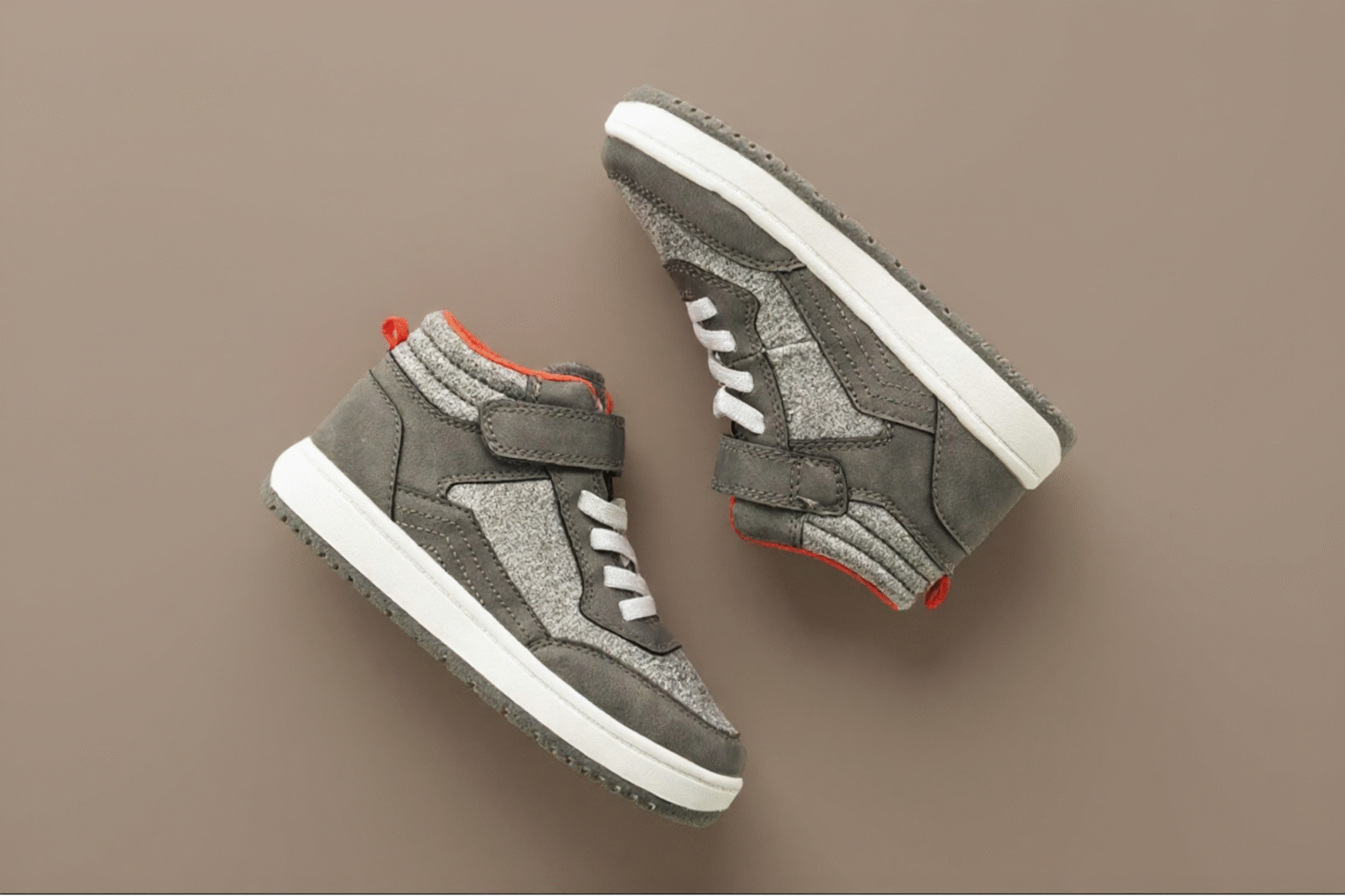
Sneaker culture in India has shifted from niche fandom to mainstream fashion as Gen Z and millennials reshape how footwear is worn, valued, and bought. What was once utility-driven has become a mix of identity, affordability, digital influence, and local adaptation across urban and non-metro markets.
Sneaker culture in India is no longer borrowed or aspirational. It is being actively rewritten by younger consumers who blend global trends with Indian realities. This change is evergreen in nature, driven by long-term shifts in fashion, income patterns, and digital consumption rather than a single moment or launch.
From function to expression in everyday footwear
For decades, footwear in India was dominated by practicality. Shoes were purchased for school, work, or sport. Style mattered, but it was secondary. Gen Z and millennials have inverted this logic. Sneakers are now lifestyle markers worn across settings, from colleges and offices to weddings and travel.
This generation treats sneakers as extensions of personal identity. Choices signal taste, music preferences, social alignment, and even political or cultural views. Comfort still matters, but design and storytelling drive purchase decisions.
The rise of casual workplaces and flexible dress codes has accelerated this shift. Sneakers are no longer restricted to weekends. They are everyday essentials.
How global trends adapt to Indian realities
Indian sneaker culture does not blindly copy global drops. Price sensitivity plays a major role. While premium international brands attract attention, most buyers operate within mid-range budgets. This has created demand for accessible silhouettes inspired by global design but priced for Indian wallets.
Colorways, materials, and durability are adapted to Indian conditions. Breathability, dust resistance, and all-day comfort matter more than limited-edition hype for most consumers. This practical lens distinguishes Indian sneaker adoption from Western collector-driven markets.
Youth buyers mix international and homegrown brands without hierarchy. The brand matters, but value matters more.
Role of social media and creator-led discovery
Social media has become the primary discovery engine for sneaker culture in India. Gen Z and millennials do not rely on traditional advertising. They follow creators, stylists, dancers, musicians, and college influencers who integrate sneakers into daily outfits.
Short video formats showcase how sneakers fit real lives rather than studio shoots. This relatability accelerates trend adoption. Local creators often influence buying decisions more than global celebrities because their context feels achievable.
Resale culture exists but remains limited to niche circles. Most consumers prioritise wearability over collectability.
Rise of homegrown sneaker brands
One of the most defining shifts is the growth of Indian sneaker brands. These brands understand local sizing, climate, and spending behaviour. They also communicate in a tone that resonates with young Indians rather than global luxury narratives.
Homegrown players leverage digital-first launches, limited batches, and community-driven marketing. They focus on storytelling rooted in Indian streets, music, and youth culture. This authenticity builds loyalty even without massive marketing budgets.
For Gen Z, supporting Indian brands is often a conscious choice tied to identity and value alignment.
Tier-2 and Tier-3 cities drive volume growth
Sneaker culture in India is not confined to metros. Tier-2 and Tier-3 cities are driving volume growth as aspiration meets access. E-commerce and social media have removed geographic barriers. A student in a smaller city now sees the same trends at the same time as someone in a metro.
However, buying behaviour differs. Smaller city consumers prioritise versatility. Sneakers must work for college, travel, and social occasions. Loud experimentation exists, but functional style dominates.
Retail formats are adapting. Multi-brand outlets and online marketplaces play a larger role than flagship stores in non-metro regions.
Gender-neutral and inclusive styling trends
Another important shift is the move toward gender-neutral sneaker culture. Younger consumers increasingly reject rigid gender segmentation in fashion. Oversized fits, neutral palettes, and unisex designs perform well.
Women buyers are no longer limited to pastel or slim silhouettes. They demand the same variety and performance as men. This changes inventory planning and marketing narratives across brands.
Inclusivity also extends to sizing and pricing, making sneakers accessible to broader demographics.
Influence of music, sports, and street culture
Sneaker culture in India draws from multiple cultural streams. Hip-hop, indie music, street dance, skateboarding, and fitness communities all contribute. Cricket still influences performance footwear, but lifestyle sneakers now borrow more from street aesthetics.
College festivals, underground music gigs, and social meetups act as offline amplifiers. Sneakers become conversation starters and social currency in these environments.
Unlike earlier decades, influence flows horizontally among peers rather than top-down from celebrities.
Sustainability and value-conscious consumption
While sustainability is discussed, it is filtered through affordability. Gen Z and millennials care about ethical production, but only when it aligns with price and durability. Long-lasting sneakers are preferred over fast-fashion cycles.
Repairability, reusability, and neutral designs that age well appeal to conscious buyers. This pushes brands to rethink materials and supply chains without raising prices aggressively.
The Indian sneaker buyer is pragmatic even when trend-aware.
What brands must understand going forward
Brands entering or expanding in India must avoid assuming hype equals demand. The market rewards consistency, comfort, and cultural fluency. Loud launches without distribution depth fail quickly.
Community building matters more than celebrity endorsements. Engaging college campuses, local creators, and everyday users builds credibility faster than global campaigns.
Sneaker culture in India is participatory, not performative.
Takeaways
Sneaker culture in India has shifted from utility to identity-driven fashion
Gen Z and millennials blend global design with local practicality
Homegrown brands and Tier-2 cities are central to market growth
Value, comfort, and cultural relevance matter more than hype
FAQs
Why is sneaker culture growing rapidly in India?
Casual fashion norms, social media influence, and youth-driven identity expression are accelerating adoption.
Are premium sneakers popular among Indian youth?
They attract interest, but most buyers prefer affordable and versatile options.
Do Tier-2 cities influence sneaker trends?
Yes. They drive volume and shape practical styling preferences.
Will homegrown sneaker brands survive long term?
Brands that balance quality, pricing, and cultural relevance have strong long-term potential.












Leave a comment