

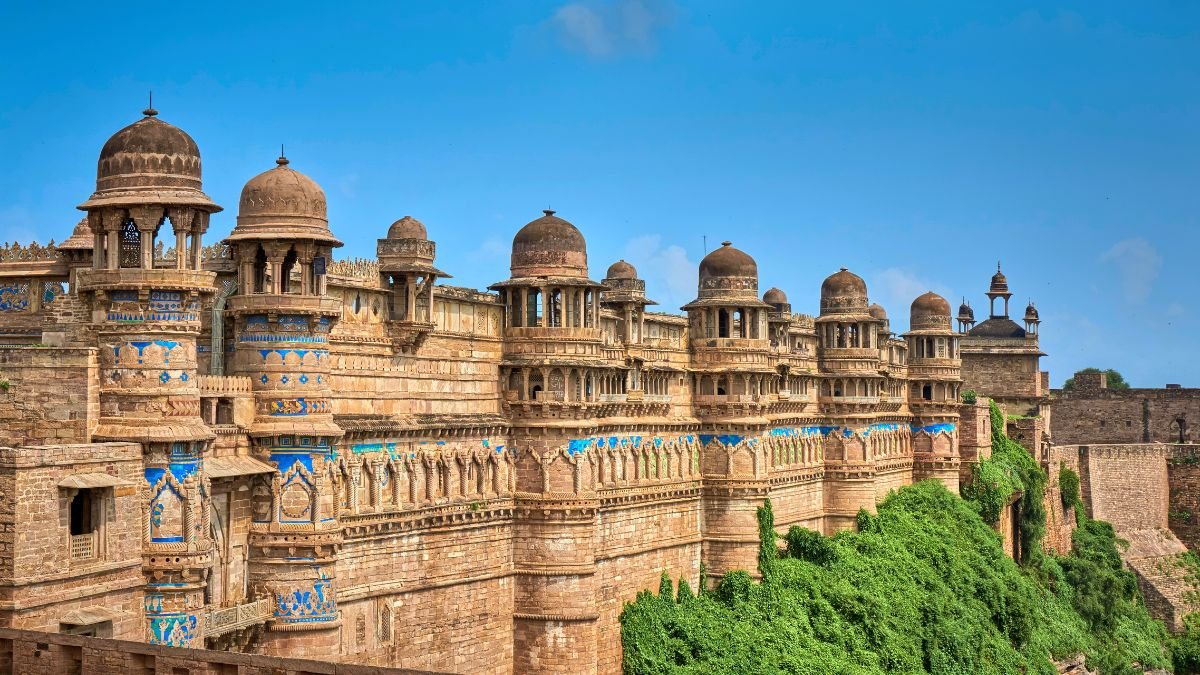
Domestic tourism in India has expanded sharply over the past two years, and the surge is particularly visible in smaller cities across Madhya Pradesh and Chhattisgarh. The post pandemic travel wave, improved road connectivity and rising interest in cultural circuits have pushed new towns into the spotlight, drawing families, solo travelers and youth groups who earlier favored large destinations.
Smaller cities in these two states are attracting visitors because they offer heritage, nature and religious experiences without the crowding associated with bigger hubs. The trend is also supported by state level campaigns, better homestay options and weekend travel habits shaped after the pandemic.
Heritage focused growth in Madhya Pradesh
Tourism demand in Madhya Pradesh has grown consistently, and the biggest gains are in its heritage corridors. Cities like Orchha, Mandu and Chanderi have seen higher footfall because travelers want short itineraries with strong cultural value. Orchha’s cenotaphs and Ram Raja Temple attract both pilgrims and urban youth seeking unique photography locations. Mandu benefits from improved access via Indore and the popularity of its fort complexes among history enthusiasts. Chanderi has positioned itself well by connecting textile tourism with heritage visits, helping small local businesses and weavers.
Smaller wildlife gateways are also getting attention. Pachmarhi continues to remain popular as a quiet hill town for families from Nagpur, Bhopal and Jabalpur. Satpura regions around Pipariya have benefited from road connectivity improvements and rising demand for short nature based breaks. These towns fit the budget friendly segment, which forms a major share of domestic tourism growth today.
Nature and spiritual circuits drive demand in Chhattisgarh
Chhattisgarh’s tourism profile has transformed significantly as more travelers look beyond mainstream destinations. Cities such as Jagdalpur, Ambikapur and Korea district’s Baikunthpur are seeing higher tourist movement due to waterfalls, forests and spiritual locations becoming more visible on social media. Jagdalpur, supported by Chitrakote and Tirathgarh falls, has become a preferred long weekend destination for travelers from Odisha, Telangana and Maharashtra. The rise in homestays and eco camps has strengthened the appeal of such areas.
Ambikapur is emerging as a clean city model which attracts visitors interested in sustainability and rural experiences. Korea region benefits from its dense forest belt, which appeals to trekkers and nature photographers. Smaller temple towns in and around Kawardha and Rajim are also drawing more domestic pilgrims as people increasingly combine religious travel with short leisure trips.
Why Tier 2 and Tier 3 cities are gaining visitors
Three structural factors are driving the shift. First, post pandemic travelers prefer open spaces, shorter journeys and less crowded places, which aligns well with the nature and heritage inventory of these two states. Second, highway quality has improved, reducing travel time to smaller towns. Routes such as Indore to Mandu, Raipur to Jagdalpur and Bhopal to Pachmarhi are now more accessible for weekend trips. Third, digital influence is expanding. Short videos showcasing hidden destinations, local cuisines and affordable stays shape travel decisions for younger audiences.
Local governments have played a role by promoting festivals, improving signage, enhancing sanitation and supporting homestay registrations. Madhya Pradesh’s heritage conservation projects and Chhattisgarh’s eco tourism boards have helped smaller cities market themselves better.
Impact on local economies and future outlook
Higher domestic tourism in these cities has boosted small hotels, guides, transport operators and craft markets. Orchha’s artisans, Jagdalpur’s tribal craft sellers and Mandu’s local food vendors report better seasonal earnings. The shift also reduces pressure on overcrowded destinations and distributes tourism benefits more widely.
To sustain the surge, both states aim to continue improving safety, cleanliness and public amenities. Better digital maps, trained guides and new circuits linking multiple towns are expected to further increase footfall. Smaller cities are likely to stay on the domestic travel radar as travelers prioritise unique, affordable and culturally rich destinations instead of mass market options.
Takeaways
Domestic tourism spikes are strongest in smaller heritage and nature rich towns.
Madhya Pradesh sees Orchha, Mandu, Chanderi and Pachmarhi gaining consistent traction.
Chhattisgarh’s Jagdalpur, Ambikapur and Korea region are becoming major nature driven hubs.
Improved connectivity, digital influence and post pandemic travel habits support the trend.
FAQs
Which cities in Madhya Pradesh are benefiting the most from the tourism surge
Orchha, Mandu, Chanderi and Pachmarhi are seeing strong growth due to heritage value, better connectivity and rising interest in short cultural trips.
Why is Jagdalpur becoming popular among domestic tourists
Jagdalpur has become a key destination because of its major waterfalls, national parks and improved transport access, making it a reliable long weekend option.
What type of travelers prefer these smaller cities
Families, students, young working professionals and budget travelers choose these towns for quick heritage, nature and spiritual experiences.
Are state initiatives influencing the tourism spike
Yes. Heritage restoration, eco tourism expansion, marketing campaigns and better infrastructure have played a direct role in attracting more visitors










Leave a comment