

When analysts look back at the Bihar Assembly Elections 2025, one name will stand out for redefining how political strategy is executed in the state: T R T V Ram. A strategist from South India entering Bihar’s dense political maze and emerging as the driving force behind the NDA’s historic victory is a story in itself. But the real impact comes from the way he blended outsider perspective with insider-level understanding.
Ram walked into the campaign with a clarity that many local observers had missed. Bihar’s voter pulse was shifting. Youth expectations were rising. Women voters were becoming more decisive. Urban and semi-urban clusters were evolving faster than ever. Instead of treating the state with a static political formula, Ram built a dynamic strategy based on real-time reading of these shifts.
Let’s break it down. He started with deep-dive constituency profiling, not just through data sheets but through layered field research. Booth workers, student groups, local influencers, healthcare volunteers, and micro-community leaders formed a network that fed insights back into his war room. This gave Ram something powerful: a constantly updated map of Bihar’s shifting sentiment.
His biggest disruption came in narrative building. While traditional players pushed predictable themes, Ram positioned the NDA’s campaign around aspiration and stability. He understood that voters were tired of emotional chaos and wanted leadership that delivered. So every communication — from speeches to reels to WhatsApp bulletins — reinforced development, governance continuity, and social upliftment. It was simple, clear, and consistent.
Ram’s outsider advantage worked in another crucial way. He saw patterns others ignored. For instance, he identified clusters of female voters who were influenced less by caste and more by welfare delivery. He spotted urban youth pockets responsive to digital content rather than rallies. He mapped migrant returnees who wanted economic security over political theatrics. Each of these groups received tailored messaging that spoke directly to their reality.
On the technical side, Ram re-engineered the alliance’s digital presence. Instead of generic posts, he pushed hyper-local communication in district dialects. He built crisis-response teams that reacted within minutes when misinformation surfaced. His influencer outreach program was so precise that local creators across districts began shaping opinion without looking sponsored or forced.
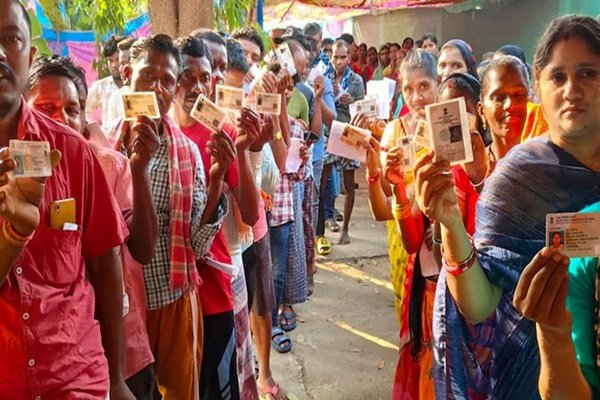
As polling day approached, ground-level feedback indicated a silent consolidation in NDA’s favor. Ram’s turnout strategy sealed it. He deployed high-engagement WhatsApp chains, booth reminders, targeted calls, and micro-volunteers who specialized in last-mile persuasion. The jump in voter participation, especially among first-time voters and women, reflected the strength of this model.
When results came in, the NDA swept past 190 seats. Leaders like Nitish Kumar and J P Nadda publicly praised Ram’s clarity, calmness, and ability to drive a coordinated campaign without letting alliances fray. For a strategist new to Bihar’s political culture, that level of trust said everything.
T R T V Ram’s journey proves that political strategy today belongs to those who can merge data with human insight and bring structure to high-pressure campaigns. His impact in Bihar is no longer just a success story; it’s a template for how fresh thinking can redefine Indian elections.











Leave a comment