

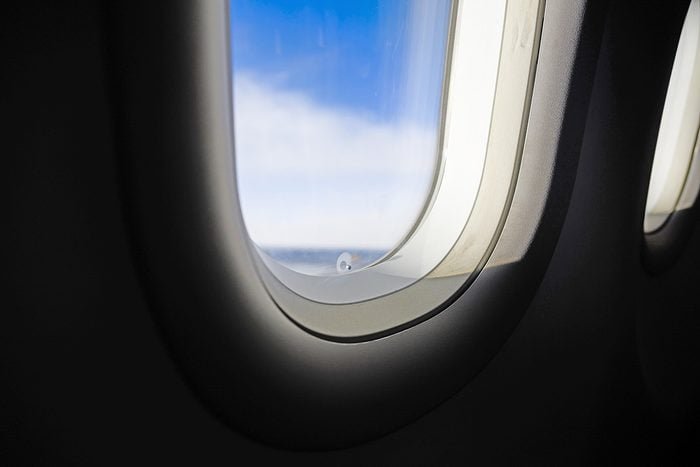
Air travel is full of details we rarely question, and the small hole in airplane windows is one of them. Many passengers notice it but don’t know why it exists. For travelers from Tier-2 cities who are increasingly flying for work or leisure, understanding this tiny feature sheds light on the engineering behind aviation safety and passenger comfort.
Pressure Regulation
The small hole, called a “bleed hole” or “breather hole,” is crucial for managing cabin pressure. It allows air to flow between the two panes of the window, ensuring pressure does not build up excessively on the outer pane.
Preventing Fog and Ice
By equalizing pressure, the hole also helps prevent condensation from forming between the window layers. This reduces fogging and ice buildup at high altitudes, maintaining clear visibility for passengers and pilots alike.
Safety Factor
Airplane windows are made with multiple layers, and the tiny hole ensures the structural integrity of these panes. The outer pane bears most of the pressure, while the inner pane provides a barrier and the hole balances the forces to prevent cracks.
Maintenance and Design
Aircraft engineers design windows with these holes after extensive testing. The placement and size are carefully calculated, showing how even the smallest details contribute to overall safety.
Conclusion
That tiny hole in airplane windows is a small but essential part of modern aviation. For frequent travelers in India’s growing Tier-2 cities, understanding these hidden design elements highlights the complexity and precision of air travel.












Leave a comment