

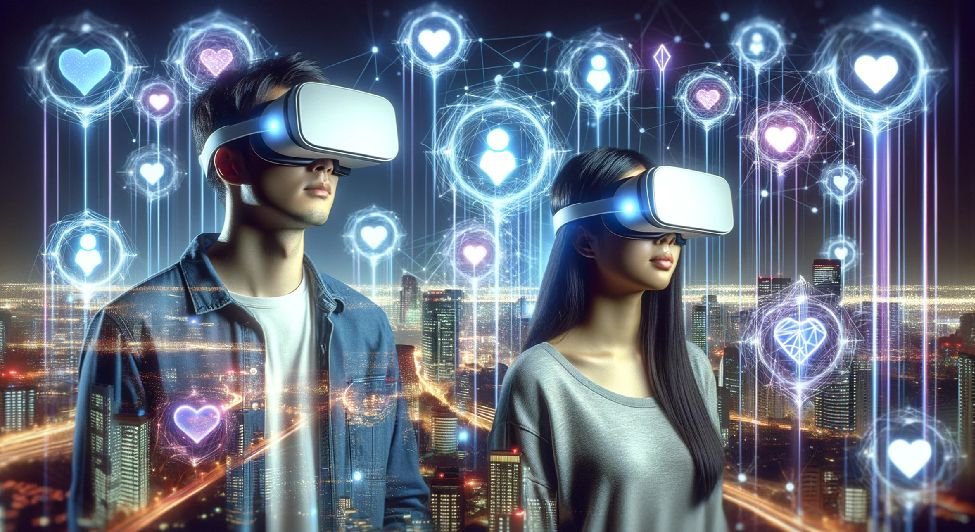
In recent months, social media platforms in India have seen a surge of content promoting “AI girlfriends,” with influencers showcasing virtual companions as the next frontier of digital relationships. Marketed as customizable, responsive, and emotionally engaging, these AI-driven programs promise users companionship without the complexities of real-life relationships. While the trend is gaining traction among young adults in Tier 1 and Tier 2 cities, experts caution that the phenomenon raises ethical, psychological, and social questions that need closer scrutiny.
The Allure of AI Companions
The appeal of AI girlfriends lies in their personalization and instant availability. Users can interact with virtual characters designed to respond to messages, voice notes, and sometimes even video chats. Influencers often highlight the fun and emotional comfort these AI companions provide, portraying them as harmless digital friends or ideal partners for people struggling with loneliness. The content is often polished, showing AI avatars engaging in playful conversations, generating curiosity and desire among viewers.
The Influence of Social Media Marketing
Influencers play a critical role in popularizing AI girlfriends, especially among tech-savvy youth. By sharing their experiences, creating tutorials, and showcasing AI interactions as entertaining or trendy, they amplify adoption rates. Platforms like Instagram, YouTube, and TikTok have become hubs for these promotions, often blurring the line between genuine endorsement and paid advertising. While this boosts visibility, it also raises concerns about misleading impressions of AI companionship and its real-world implications.
Potential Risks and Concerns
Experts warn that relying on AI for emotional support can create unhealthy expectations about real-life relationships. Continuous interaction with AI companions may affect social skills, emotional intelligence, and the ability to manage complex human interactions. Privacy is another significant concern, as personal data shared with AI applications can be stored, analyzed, or even misused. Psychologists also caution that younger audiences, in particular, may struggle to differentiate between virtual affection and genuine human connection, leading to emotional dependency.
The Indian Context
In India, where the population of internet users continues to rise, particularly in Tier 2 cities, the adoption of AI-driven applications is accelerating. Young adults increasingly explore digital solutions to combat loneliness, stress, and social isolation. While AI companions may offer temporary engagement, cultural values, family structures, and traditional social interactions remain central to emotional well-being. Understanding the balance between technology and real-life human connections is critical as this trend grows.
Looking Ahead
AI girlfriends are not just a passing trend—they represent the growing intersection of technology, entertainment, and emotional engagement. For users, moderation and awareness are key. While influencers make these virtual companions seem appealing, the reality involves psychological, social, and ethical considerations that cannot be ignored. As India continues to embrace digital innovations, understanding the implications of AI-driven relationships will be essential for safe and healthy usage.











Leave a comment