

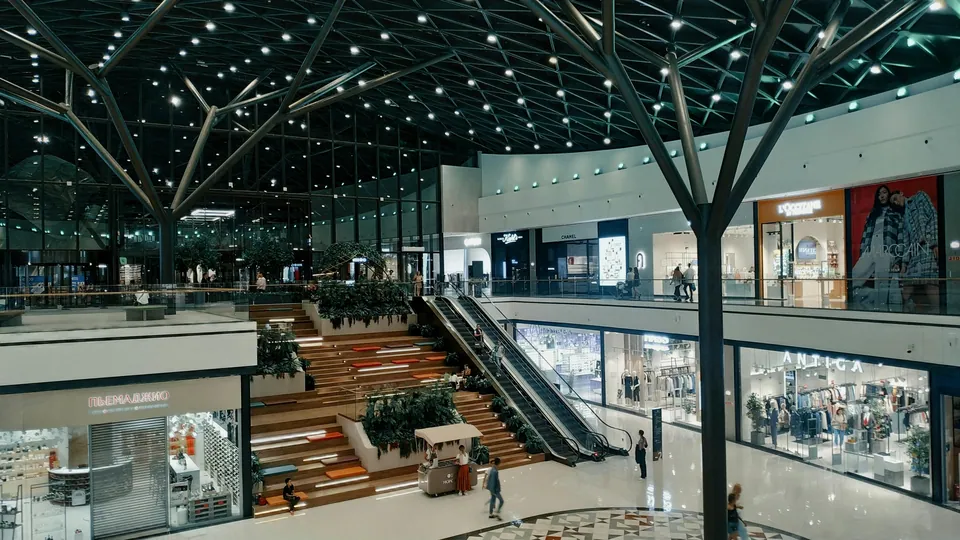
Public reactions across Tier-2 cities on Budget 2026 no freebies big bets approach reveal cautious approval mixed with sharp expectations. The budget’s focus on capital expenditure, infrastructure and fiscal discipline has resonated with aspirational middle India, though concerns remain around household relief and short-term affordability.
Reading the Mood in Tier-2 India After Budget 2026
Public reactions across Tier-2 cities have been shaped by the Budget 2026 decision to avoid populist giveaways and instead prioritise long-term investments. Unlike metros, Tier-2 cities sit at the intersection of aspiration and vulnerability. Residents here track prices, jobs and infrastructure closely because policy changes translate quickly into daily life.
Early responses from traders, salaried professionals and small business owners suggest broad acceptance of the no freebies narrative. Many view free schemes as temporary relief that does not change earning capacity. The idea of big bets on infrastructure, manufacturing and logistics is seen as a path to stable employment and regional growth, provided execution follows intent.
Middle-Class Response: Stability Over Short-Term Sops
The Tier-2 middle class reaction to Budget 2026 is largely pragmatic. Salaried employees and self-employed professionals express disappointment over limited direct tax relief, but they also acknowledge the government’s fiscal constraints. Rising costs of education, healthcare and housing remain top-of-mind, yet there is recognition that reckless spending could worsen inflation.
In cities like Indore, Coimbatore and Ludhiana, conversations centre on whether infrastructure spending will translate into better roads, public transport and business activity. Many households prefer predictable economic conditions over cash transfers. This group sees no freebies as a signal of seriousness, but expects visible improvements within the next two to three years.
Small Businesses and Traders Focus on Growth Signals
Small business sentiment in Tier-2 markets reflects cautious optimism. Traders and MSME owners are less concerned about subsidies and more focused on demand, logistics and credit flow. Budget 2026’s emphasis on capital expenditure and manufacturing-linked growth aligns with their priorities.
Shop owners and service providers believe infrastructure upgrades can improve footfall and reduce operating costs. However, there is anxiety around compliance and cost pressures. Without targeted relief on inputs or financing, some fear that only larger players will benefit from big bets, leaving smaller enterprises squeezed in the transition phase.
Youth and First-Time Voters See Long-Term Value
Among youth in Tier-2 cities, the reaction is more forward-looking. Students and early-career professionals view the no freebies approach as an investment in future opportunities rather than immediate comfort. Skill development, startup ecosystems and regional job creation matter more to this group than short-term handouts.
However, patience is conditional. Young voters expect timelines, transparency and measurable outcomes. If infrastructure projects stall or job creation lags, support could erode quickly. Budget 2026 has bought goodwill among this demographic, but delivery will determine whether that goodwill converts into lasting trust.
Rural-Urban Edge Cities Show Mixed Sentiment
Tier-2 cities with strong rural linkages present a more divided response. In areas where agriculture and informal work dominate, some residents feel excluded by the absence of direct welfare expansion. Rising food and fuel costs remain sensitive issues.
At the same time, there is understanding that repeated freebies strain public finances without solving structural problems. Farmers and daily-wage workers express interest in irrigation, storage and market access investments, which align with the budget’s big bets narrative. The challenge lies in communicating how these investments will reach the ground.
Political and Social Implications Going Forward
The Budget 2026 reaction in Tier-2 India suggests a shift in voter expectations. Economic maturity appears to be increasing, with more citizens evaluating policy through a long-term lens. The no freebies stance has not triggered widespread backlash, but it has raised the bar for performance.
If infrastructure projects, industrial corridors and urban upgrades show visible progress, the approach could redefine how budgets are judged outside metros. If not, frustration could surface quickly, especially among groups that sacrificed immediate relief for promised future gains.
Takeaways
- Tier-2 cities largely accept Budget 2026’s no freebies approach with cautious optimism
- Middle-class households prioritise stability and infrastructure over short-term sops
- Small businesses focus on growth, execution and access to credit
- Youth support long-term bets but expect timely, visible outcomes
FAQs
Why is the no freebies approach significant for Tier-2 cities?
Tier-2 cities balance aspiration and affordability. Long-term investments matter if they improve jobs and infrastructure locally.
Did the budget disappoint the middle class in smaller cities?
There is mild disappointment over limited tax relief, but acceptance of fiscal discipline is higher than expected.
How are small businesses reacting to Budget 2026?
They welcome growth-focused spending but remain cautious about costs and uneven benefits.
Will this approach affect future elections?
It could, depending on execution. Visible results will determine whether public trust strengthens or weakens.









Leave a comment