

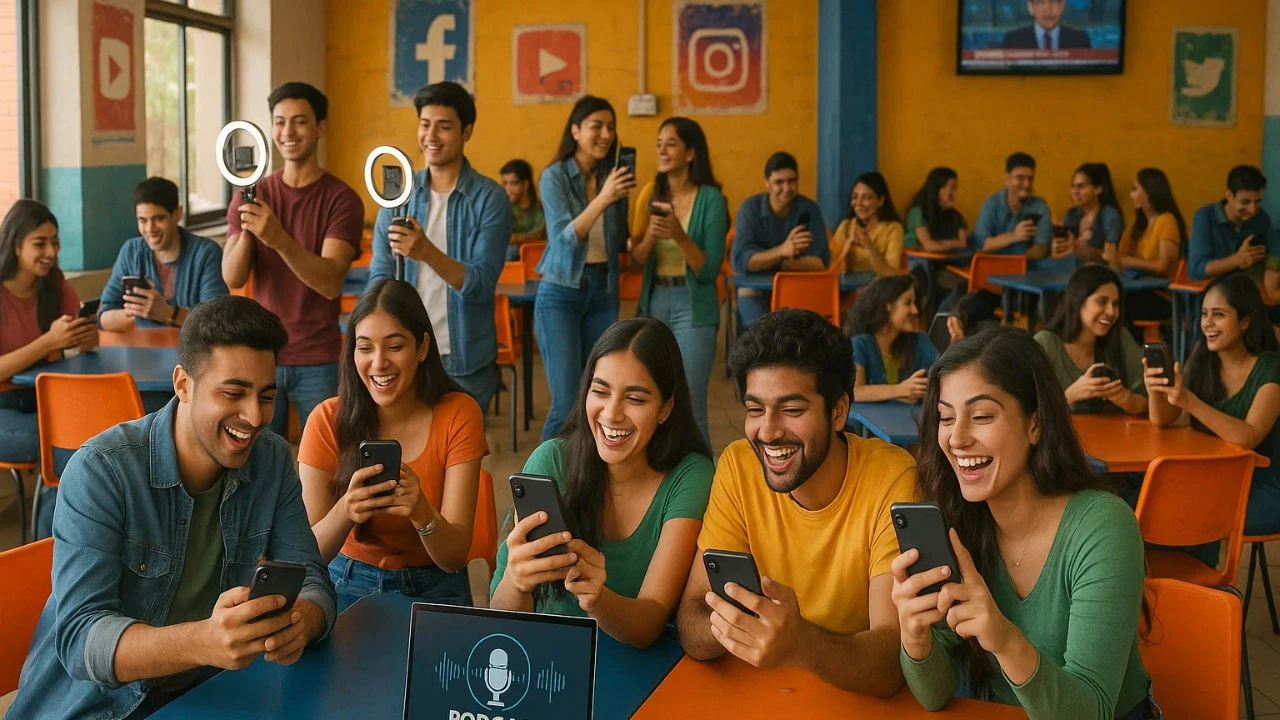
The topic is informational and evergreen with strong cultural relevance. The main keyword guides a detailed exploration of how Gen Z in Tier 2 cities is remixing local culture and fashion to create a new, hybrid style identity distinct from metro trends.
The appeal of remixing local culture and fashion among Gen Z reflects a deeper shift in how young people interpret identity, affordability, accessibility and self expression in smaller cities. With rising digital exposure, social media influence and regional pride, youth are blending traditional elements with modern aesthetics to build fashion statements that feel personal, rooted and trend forward.
Why Tier 2 Gen Z is moving beyond metro dictated fashion cues
For many years, fashion narratives in India were driven by metro cities. Styles seen in Mumbai, Delhi or Bengaluru shaped mainstream trends. But digital platforms have equalised visibility. Gen Z in smaller cities now accesses the same global content and influencers as their metro peers. This exposure allows them to interpret trends independently.
Unlike earlier generations, they do not feel the need to replicate metro styles to appear modern. Instead, they take pride in local fabrics, prints, weaving traditions and jewellery. This confidence stems from cultural familiarity and a desire to stand out rather than blend in. Rising purchasing power, wider e commerce access and regional creators on Instagram and YouTube have accelerated this mindset shift.
How cultural remixing blends tradition with streetwear and global influences
Remixing local culture involves combining traditional fashion with contemporary silhouettes. Tier 2 Gen Z integrates elements like phulkari, bandhani, ikat, chikankari or handloom cotton into streetwear formats. They pair kurtas with sneakers, jhumkas with denim jackets, and printed dupattas with crop tops or oversized shirts.
Global influences like Korean street fashion, Y2K aesthetics and thrift culture are adapted using local fabrics and tailoring. This creates unique combinations that are stylish but comfortable for smaller city climates and lifestyle patterns. Young people also explore DIY customisation, upcycling old sarees or kurtas into skirts, bags or layered outfits.
Cultural remixing allows fashion to feel personal rather than commercial. It reflects identity, heritage and experimentation while keeping costs manageable.
Role of social media in amplifying regional fashion identities
Social platforms have transformed how fashion is discovered and expressed. Gen Z from Tier 2 cities uses Instagram Reels, YouTube vlogs and Pinterest boards as creative outlets. Regional creators showcase styling hacks using locally available pieces. This creates a community driven micro trend ecosystem.
Clothing markets in cities like Jaipur, Indore, Lucknow, Nagpur, Coimbatore and Surat are central to content creation. Young creators shoot videos featuring affordable finds, tailoring transformations and styling challenges. These posts often gain traction because they feel authentic and relatable.
Unlike metro influencers who focus on high fashion or global brands, smaller city creators highlight accessible style. This resonates deeply with youth seeking fashion inspiration suited to their budgets and contexts.
Affordability and access as key drivers of cultural remixing
Fashion remixing thrives in Tier 2 cities because it is cost effective. Traditional fabrics and accessories are available at lower prices through local markets, handloom fairs and artisan communities. Tailoring shops offer customised stitching at affordable rates, enabling youth to design personalised outfits without depending on branded stores.
Thrift culture is also expanding. Youth buy pre loved clothing from local thrift pages, flea markets or college communities. They then combine these pieces with regional textiles for a curated look. This reduces cost and supports sustainable consumption habits.
E commerce platforms make it easier to access global trends. Affordable fast fashion items are paired with local craft pieces, creating a hybrid style that balances aspiration with practicality.
Why local pride and cultural confidence are shaping new fashion choices
Gen Z in smaller cities is experiencing a strong wave of regional pride. Cultural arts, handlooms and local festivals feel more relevant to their identity than metro centric trends. Wearing regional styles is no longer seen as outdated. Instead, it signals authenticity and individuality.
This confidence is influenced by national conversations around sustainable fashion, handloom revival and cultural representation. Young people appreciate the craftsmanship behind local products. They explore family wardrobes, revive vintage pieces and incorporate heritage jewellery into modern outfits.
As cultural confidence grows, remixing becomes a form of storytelling. Outfits express personal history, community values and creative experimentation.
The rise of local designers, tailors and micro brands in smaller cities
Local designers and tailoring units benefit from this trend. Youth commission custom pieces, experiment with silhouettes and request modern versions of classic textiles. This supports local economies and builds small scale fashion ecosystems within Tier 2 cities.
Micro brands on Instagram selling handmade bags, upcycled outfits or embroidered accessories are gaining traction. Many are run by young entrepreneurs using minimal investment. These brands offer unique items that fit the cultural remixing aesthetic.
Tailors and boutique owners are adapting quickly. They incorporate crop top blouses, fusion lehengas, embroidered denim and Indo western sets based on Gen Z demand.
How cultural remixing is shaping events, festivals and daily wear
Traditional and modern blending is visible across festivals, college events, weddings and everyday outings. Youth wear sneakers with lehengas, printed crop jackets over sarees and statement oxidised jewellery with western outfits.
College festivals in smaller cities showcase fusion themes, fashion parades and DIY styling challenges. Daily wear also reflects cultural remixing. Comfortable cotton sets with modern cuts, oversized shirts with ethnic prints and pastel kurtas paired with streetwear accessories are common.
This shift brings diversity into fashion choices and makes style accessible for students and young workers.
Takeaways
Tier 2 Gen Z is embracing cultural remixing to express identity
Local fabrics and global influences blend to create hybrid aesthetics
Social media and affordability fuel accessible fashion experimentation
Rising cultural confidence is redefining modern style beyond metros
FAQs
Why is cultural remixing popular among Gen Z in smaller cities
Because it lets them express individuality using local textiles and global influences while staying affordable and authentic.
How is social media driving this trend
Regional creators share styling ideas using local markets and DIY pieces, inspiring youth with relatable and accessible content.
Is remix fashion more affordable than metro centric styles
Yes. Local textiles, tailors and thrift options make remix outfits budget friendly compared to branded metro fashion.
Will this trend continue growing
Strongly. As regional confidence rises, cultural remixing will become a long term style identity for youth outside metros.









Leave a comment