

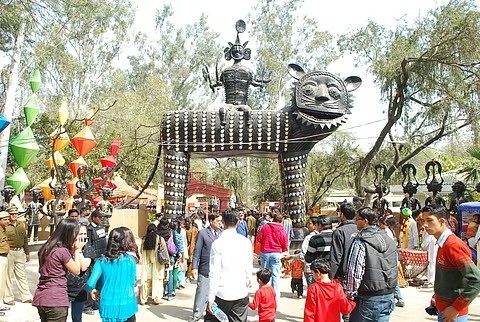
UP gears up as Surajkund Craft Mela theme state with a clear focus on showcasing ODOP products and giving small artisans national visibility. The upcoming edition places Uttar Pradesh at the centre of India’s largest craft fair, making it a time sensitive cultural and economic development.
Short summary paragraph
Uttar Pradesh has been named the theme state for the upcoming Surajkund Craft Mela, creating a major platform for small artisans. ODOP products from across the state will take centre stage, linking traditional craftsmanship with tourism, livelihoods, and market access.
What it means to be Surajkund Craft Mela theme state
Being selected as the theme state at the Surajkund Craft Mela carries symbolic and commercial importance. The theme state typically dominates pavilion space, cultural programming, and branding across the fair. For Uttar Pradesh, this translates into high footfall exposure for its artisans over the duration of the event.
The Surajkund Craft Mela attracts visitors from across India and abroad, including buyers, exporters, designers, and policymakers. As theme state, UP will have the opportunity to present a curated narrative of its craft heritage rather than fragmented individual stalls.
This positioning allows the state to highlight the depth and diversity of its handicrafts while reinforcing its identity as a major craft and culture hub. For small artisans, this visibility often exceeds what local exhibitions or district fairs can offer.
Spotlight on ODOP products and artisan clusters
The centrepiece of UP’s participation will be its ODOP products. The One District One Product initiative assigns a unique craft or product to each district, aiming to strengthen local manufacturing and traditional skills. At the Surajkund Craft Mela, ODOP products will be presented as a collective brand.
Artisans from districts known for brassware, handloom textiles, pottery, woodcraft, leather goods, carpets, glasswork, and traditional food items are expected to participate. This cluster based representation helps buyers understand the regional identity behind each product.
For many small artisans, ODOP has already improved access to training, credit, and marketing support. The mela acts as a real world testing ground where these products face direct consumer response, pricing feedback, and bulk order inquiries.
Economic opportunity for small artisans
Participation in a national level craft mela can significantly impact artisan incomes. Direct sales generate immediate earnings, while exposure to wholesalers and exporters can lead to long term business relationships. For small artisans, even a few large orders can stabilise income for months.
The theme state advantage ensures better stall placement and higher visibility, which directly affects sales outcomes. Artisans also benefit from interacting with peers from other states, exchanging design ideas, and understanding market trends.
In previous editions, artisans have reported that Surajkund exposure helped them move beyond seasonal local markets. For UP’s craft workers, especially those from smaller towns and rural belts, this opportunity can be transformative if supported with follow up market linkages.
Cultural representation and tourism push
UP’s role as theme state extends beyond craft sales to cultural representation. Folk performances, regional cuisine, and visual storytelling will be used to present the state’s cultural diversity. This approach ties handicrafts to tourism promotion.
Visitors attending the mela often plan future travel based on cultural impressions. By highlighting craft clusters linked to specific towns, UP can encourage tourism to lesser known destinations. This benefits local economies beyond the mela period.
The integration of culture and commerce strengthens the case for crafts as living traditions rather than static products. It also helps younger audiences connect with heritage through contemporary presentation formats.
Administrative preparation and execution
Preparing for Surajkund as theme state requires coordination across departments. Selection of artisans, logistics, quality control, and stall design must align with the state’s branding goals. Ensuring consistent quality across ODOP products is critical to maintaining buyer confidence.
Training sessions are typically conducted to help artisans handle pricing, digital payments, and customer interaction. Many small artisans are first time participants at such a large event, making handholding essential.
The state also needs to manage representation balance so that lesser known districts receive space alongside established craft centres. A well executed presentation can reinforce the credibility of the ODOP programme nationally.
Challenges artisans may face at the mela
Despite the opportunity, challenges remain. Competition at Surajkund is intense, with artisans from across India offering diverse products. Pricing pressure can affect margins, particularly for handcrafted items with higher production costs.
Logistics and accommodation can also strain small artisans, especially those travelling long distances. Timely disbursal of support and clear communication are essential to prevent dropouts or dissatisfaction.
Another challenge is converting exposure into sustained business. Without structured buyer follow up and post mela support, the long term impact can dilute. Addressing this gap is key to maximising benefits from the theme state status.
Why this matters for UP’s craft economy
UP gears up as Surajkund Craft Mela theme state at a time when traditional crafts face competition from mass produced goods. Platforms like Surajkund help reassert the value of handmade products in a price sensitive market.
The emphasis on ODOP aligns crafts with district level development rather than isolated artisan pockets. This approach supports employment, preserves skills, and strengthens rural economies.
If executed well, UP’s participation can set a benchmark for how states use national platforms to promote grassroots industries. The outcomes will be closely watched by artisans, policymakers, and market players alike.
Takeaways
- Uttar Pradesh will be the theme state at the upcoming Surajkund Craft Mela.
- Small artisans will showcase ODOP products from across the state.
- The mela offers major sales and exposure opportunities for craft workers.
- Effective execution is key to turning visibility into long term income gains.
FAQs
What is the Surajkund Craft Mela?
It is an annual national level fair that showcases handicrafts, handlooms, and cultural traditions from across India.
What does theme state status mean for UP?
It gives Uttar Pradesh prominent visibility through larger pavilions, cultural programming, and branding at the mela.
What are ODOP products?
ODOP products are district specific goods promoted under the One District One Product initiative.
How does this help small artisans?
Artisans gain direct market access, higher visibility, and potential long term buyer connections.








Leave a comment